


If you are vegetarian, vegan, celiac, or have a food allergy, the question before booking the trek is always the same: will I be able to eat well during five days in the mountains? The short answer is yes, but it depends almost entirely on one specific moment: the day you book. Food is purchased in Cusco before departure and carried on mules. Anything that was not communicated in time will not appear at the campsite, because there is nowhere to buy it. Here is what you need to communicate, when to do it, and what to bring yourself.
When and How to Communicate Your Diet
Let them know at three points, always with the same level of detail.
The first is when you book, in the form sent by the agency. Write it clearly: simply stating special diet is not enough. Specify what you do not eat and, if it is an allergy, how strict it is.
The second is during the pre-departure briefing, where you meet your guide. Confirm that the information was received and ask how they will accommodate it.
The third is on the first day, with the cook. This is the person who prepares your meals and sometimes they are not the same person who received your form. One minute of conversation there prevents four days of misunderstandings.
Vegetarian Diet
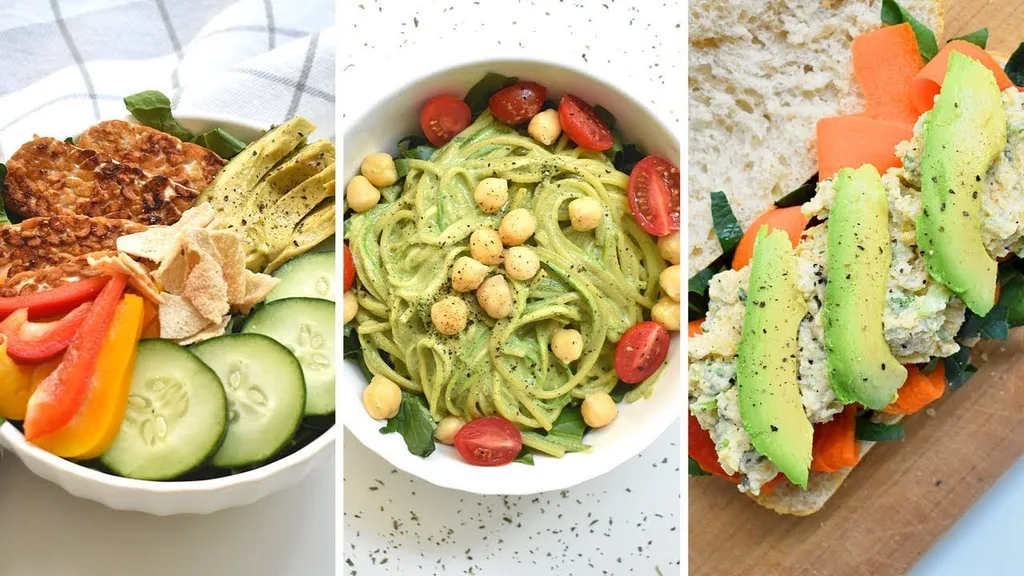
This is the easiest diet to accommodate and the most commonly requested. Trail cooks handle it confidently and prepare a separate menu for those who follow it.
Typical protein sources include eggs, fresh cheese, legumes, quinoa and, with some agencies, textured soy protein. Side dishes such as rice, potatoes, cassava and vegetables are already part of the standard menu.
The main thing to watch is soups: some are made with meat or chicken broth even if they do not contain visible pieces of meat. Ask about this on the first day.
Vegan Diet
It can be followed without any problem, but it requires more precision than a vegetarian diet because several common menu ingredients are animal-based without being obvious.
Check three specific points with the cook: soup broth; milk and eggs in breakfasts such as pancakes or scrambled eggs; and butter or lard in fried foods. Desserts and cookies served with afternoon tea also often contain milk or eggs.
As a backup, bring your own protein-rich snacks from Cusco. You will not find specific vegan products along the route.
Gluten-Free Diet
This is the most complicated of the three, for two reasons.
First, gluten is found in a large part of the standard menu: breakfast bread, soup noodles, pasta, cookies and breaded foods. Second, there is cross-contamination: a camp kitchen has few pots, little space and a single burner, so keeping preparations separate is harder than in a restaurant.
If your restriction is medical and strict, tell the agency exactly that, using those words. Also bring your own gluten-free bread, cookies and snacks from Cusco to cover breakfasts and hiking sections. The natural foundation of Andean food helps: potatoes, quinoa, corn, rice, cassava, vegetables, eggs and unbreaded meats are gluten-free.
Lactose Intolerance
This is easily managed if you let them know. What you need to check is fresh cheese, breakfast milk and hot drinks prepared with milk.
If you take an enzyme or supplement, bring it with you: you cannot get it on the trail.
Food Allergies
An allergy is not a preference and must be treated differently. The key difference on this trek is the distance: during the mountain pass section, you are hours away from any health center and without vehicle access.
- Communicate your allergy in writing when booking and verify that it has been recorded.
- Tell the guide on the first day which food it is and what reaction it causes.
- Bring your emergency medication and show the guide where you keep it in your backpack.
- Check every dish before eating it, even ones you have already eaten on previous days.
- Bring your own snacks so you do not depend on what is sold along the way.
Where medical care is available on each section is covered in services available during the Salkantay Trek. Read it before departing if your allergy is severe.
Useful Phrases to Communicate Your Diet
Spanish and Quechua are spoken in the towns along the route. These phrases solve most situations when you eat outside the agency’s menu:
- I am vegetarian; I do not eat meat, chicken, or fish.
- I do not eat any animal products.
- Is the soup made with meat or chicken broth?
- I am allergic to it, and I must avoid it completely.
- Does this dish contain wheat flour?
Write them on your phone or on a piece of paper to show if needed. The restaurants and shops where you will use them are listed in restaurants on the Salkantay Trek.
What to Ask the Agency Before Booking
The right answer to these questions is a specific one. If they only answer yes, insist.
- What will you serve me for breakfast, lunch, and dinner with my diet?
- Has the cook worked with this restriction before?
- Are the soups prepared with animal-based broth?
- Can you keep my food separate to prevent cross-contamination?
- Will the daily snack also be adapted to my diet?
- Is there an additional cost?
How group meals are organized during the five days is covered in food on the Salkantay Trek.
Frequently Asked Questions
Do they charge more for a special diet?
Most agencies do not charge extra for vegetarian or vegan menus. Some do apply a fee for diets that require hard-to-find ingredients, such as certified gluten-free products. Ask when booking.
Can I communicate my diet when I arrive in Cusco?
If you arrive several days in advance, they may have time to adjust the shopping. If you let them know the night before departure, probably not. Do it when booking and confirm it during the pre-departure briefing.
Are there gluten-free options in the towns along the route?
Very few, and local restaurants do not always understand the concept. Dishes based on potatoes, rice, cassava and vegetables are your best option, always asking about flour and breaded foods.
What happens if the vegan menu is not prepared properly?
Speak to the guide that same day, not at the end of the trek. With the supplies the team carries, they can almost always adjust the menu for the following meals.
Should I bring my own food?
As a supplement, yes, especially snacks and an alternative breakfast. As a replacement for the tour meals, it is not necessary: with timely notice, the cook will cover all three meals of the day.