


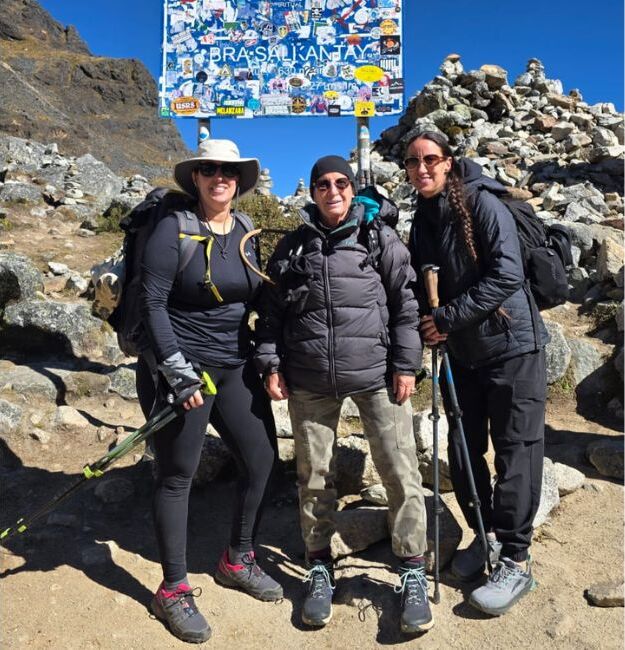
No previous experience in mountaineering or climbing is needed to do the Salkantay Trek. However, having completed long hikes and arriving with adequate physical preparation is recommended. To complete the route, acclimatization to the altitude, the chosen itinerary, and the ability to walk for several hours over several consecutive days tend to be more important.
The route includes uneven trails, long ascents, demanding descents, and changing weather conditions. A beginner can do it if they train in advance, respect their own pace, and do not underestimate the effects of altitude. Lack of technical experience is usually not a problem on standard tourist programs, but starting without fitness or time to adapt in Cusco can be.
Is trekking experience mandatory?
No, standard Salkantay Trek itineraries do not require climbing knowledge, rope use, or advanced mountaineering techniques. You walk on dirt, stone, and mountain trails, usually accompanied by a guide when you book an organized service.
Hiking experience helps because it allows you to understand your own pace, use your footwear more effectively, and handle long days with greater confidence. It also makes it easier to adapt to uneven terrain and descents, which can strain the knees even for travelers in good physical condition.
Recommended experience
Having done hikes lasting several hours, routes with elevation gain, or multi-day excursions is useful. These outings allow you to assess how your body responds when effort, a backpack, temperature changes, and several hours of activity are combined.
It is also advisable to have worn the footwear you will use on the trek before. Breaking in boots during the route increases the risk of blisters and discomfort. A test hike with a backpack helps you adjust socks, trekking poles, clothing, and the amount of water needed.
Can a beginner do it?
Yes, a beginner can complete the Salkantay Trek if they train beforehand, acclimatize, and choose an itinerary suited to their fitness level. It is not advisable to decide to do it as an improvised hike upon arriving in Cusco.
The best option is to begin preparing several weeks in advance, especially if you lead a sedentary lifestyle. During the route, the goal should not be to walk fast, but to maintain a sustainable pace and reach each campsite with enough energy to recover.
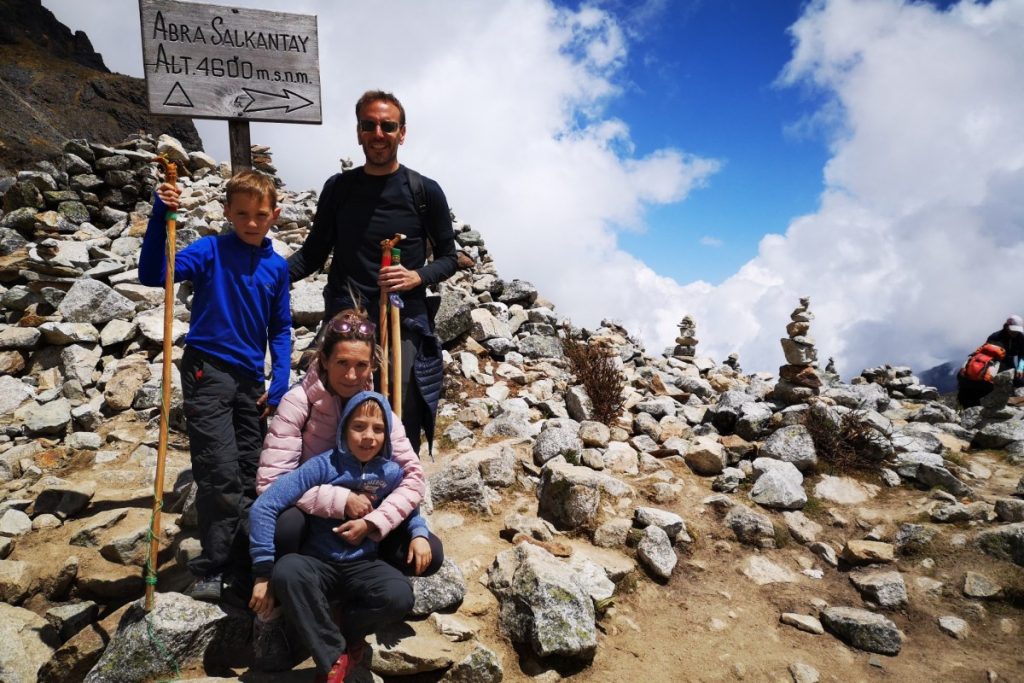
What preparation does a beginner need?
Anyone who has never completed a multi-day trek should train endurance, leg strength, and recovery capacity. There is no need to follow an extreme fitness routine, but it is important to increase activity gradually and consistently.
Preparation should resemble the route conditions as much as possible: long hikes, elevation gain, and activity on consecutive days. In addition to training, it is advisable to check your gear in advance and not leave buying or breaking in footwear until the last minute.
Progressive hikes
It is recommended to start with short routes and gradually increase distance, duration, and elevation gain. Someone starting with one-hour walks can gradually progress to outings lasting several hours during weekends.
The increase should be realistic. Trying to suddenly double distance or intensity can cause muscle discomfort, injuries, or exhaustion. It is better to train regularly than to do one very long hike a few days before the trip.
Uphill and downhill training
Practicing on slopes, hills, or stairs strengthens the legs, glutes, and calves. This prepares you for the long ascents of the Salkantay Trek, where breathing and altitude can make a usual pace feel slower.
Descents should also be trained. Many people focus only on going uphill, but long descents place demands on the knees and ankles. If you experience frequent joint pain, it is advisable to consult a professional before undertaking a multi-day program.
Hikes on consecutive days
Doing a few hikes over two consecutive days allows you to practice recovering between stages. The second day is a better indicator of whether your body is ready to walk again with tired legs, a common situation on a multi-day route.
There is no need to repeat extreme distances during training. What is useful is getting accustomed to getting up, moving again, and maintaining steady walking technique. Sleeping well, staying hydrated, and eating after each practice session are also part of this preparation.
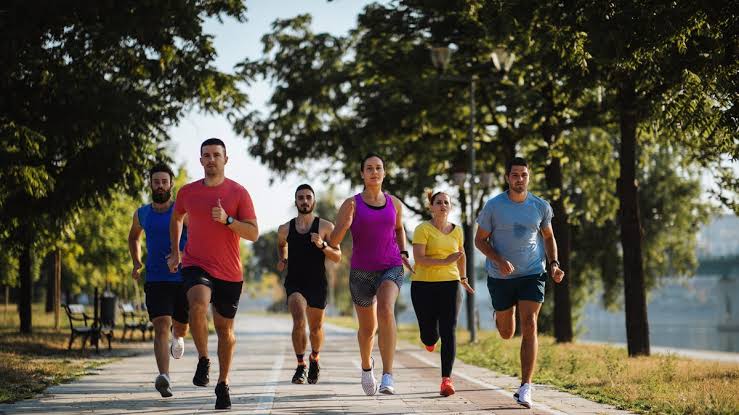
Skills that help during the Salkantay Trek
There are practical skills that make the route easier, although they are not mandatory requirements. Learning them before your trip can improve comfort and reduce common mistakes, such as carrying too much weight or starting an ascent at an excessive pace.
These skills do not replace physical preparation or acclimatization, but they help you manage your energy more effectively. On a multi-day hike, small adjustments to pace, backpack, and rest can make a considerable difference.
Maintaining a steady pace
Walking slowly and steadily is usually more effective than moving quickly and stopping exhausted. Each traveler should monitor their breathing, take short breaks when necessary, and avoid competing with other members of the group.
At altitude, your pace should be slower than at sea level. Pushing yourself to keep up with faster people can increase fatigue and make acclimatization more difficult. The guide can advise on timing, but each person should communicate if they need to slow down.
Using trekking poles
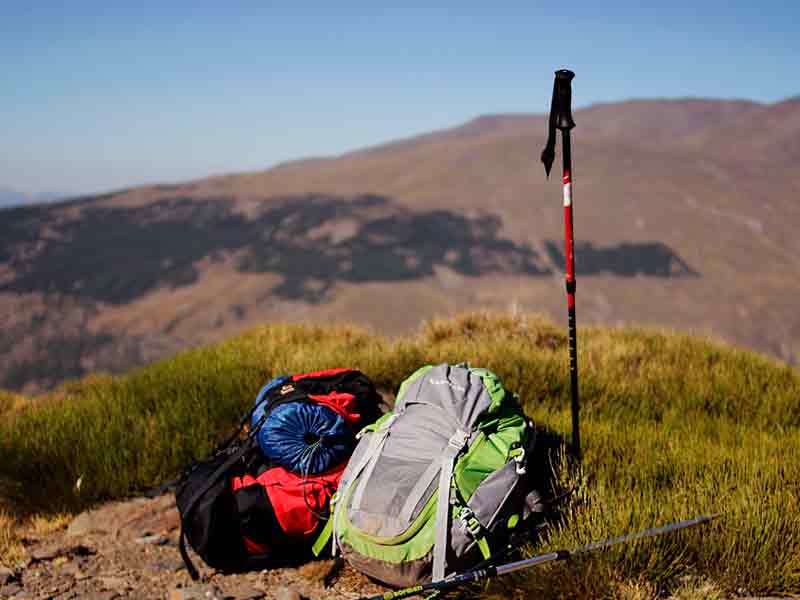
Trekking poles can improve balance on rocky, muddy, or steep sections. They also help distribute some of the effort between the arms and legs during ascents, especially when carrying a daypack.
On descents, using them can reduce strain on the knees and ankles if they are adjusted to the correct height. It is advisable to practice with them before departure, as incorrect technique or poorly adjusted poles can be uncomfortable.
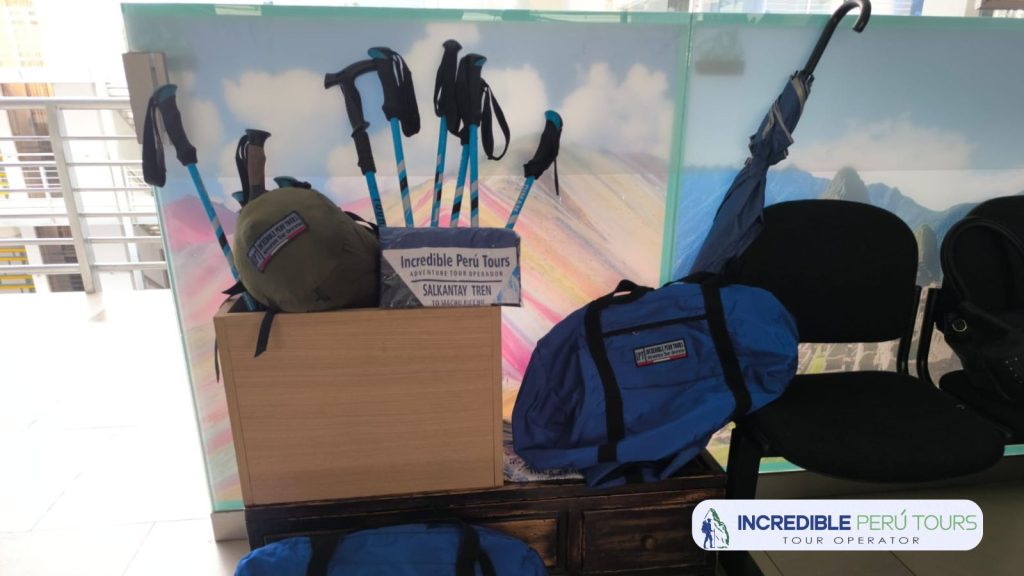
Organizing a daypack
It is advisable to practice with a light backpack and carry only what you need during the hike. In general, it should include water, clothing for temperature changes, sun protection, rain gear, personal items, and any prescribed medication.
Avoid carrying items you will not use during the day. Excess weight is noticeable on ascents and can increase fatigue. Before booking, check whether the operator transports the main luggage so you know exactly what you will need to carry.
Experience and physical fitness are not the same
Having hiking experience does not guarantee that you are ready for the Salkantay Trek. Someone who did similar routes years ago but does not currently train may struggle on long days or at high altitude.
The opposite can also happen: someone in good physical condition but without trekking experience may do well if they prepare for the terrain, gear, and multi-day routine. Both factors complement each other and should be assessed honestly before booking.
Required physical endurance
Travelers should be prepared to walk for several hours and repeat that effort over consecutive days. Endurance is not just about being able to complete an intense ascent, but about sustaining activity for several days without reaching exhaustion.
Daily distance, elevation gain, and weather conditions can change how demanding the effort feels. Therefore, preparation focused only on gym exercises may be insufficient if it is not complemented with outdoor hiking.
The importance of recovery
Sleeping, eating, and hydrating properly helps you continue hiking the next day. After each stage, the body needs to restore fluids, energy, and warmth, especially after rain, cold, or prolonged sun exposure.
A common mistake is eating too little due to fatigue or drinking less water to avoid stops. This can affect performance and increase discomfort. Carrying simple snacks and following the guide’s recommendations helps maintain more consistent recovery.
Experience and altitude acclimatization
Previous experience does not fully protect against altitude sickness. Even trained travelers who are used to hiking should acclimatize before starting the Salkantay Trek, as the route reaches high-altitude areas.
The response to altitude is individual and does not depend only on age, fitness level, or how many times someone has gone trekking. Arriving with enough time and paying attention to symptoms is a basic safety measure.
Preparation before starting the route
It is recommended to spend a few days in Cusco or at an intermediate altitude before starting the trek. During that period, it is best to do light activities, rest well, stay hydrated, and avoid intense physical effort on the first day.
Starting the hike immediately after landing in Cusco is usually not a good decision. The body needs time to adapt, and proper acclimatization can be more useful than trying to make up for a lack of preparation with medication.
Recognizing altitude sickness symptoms
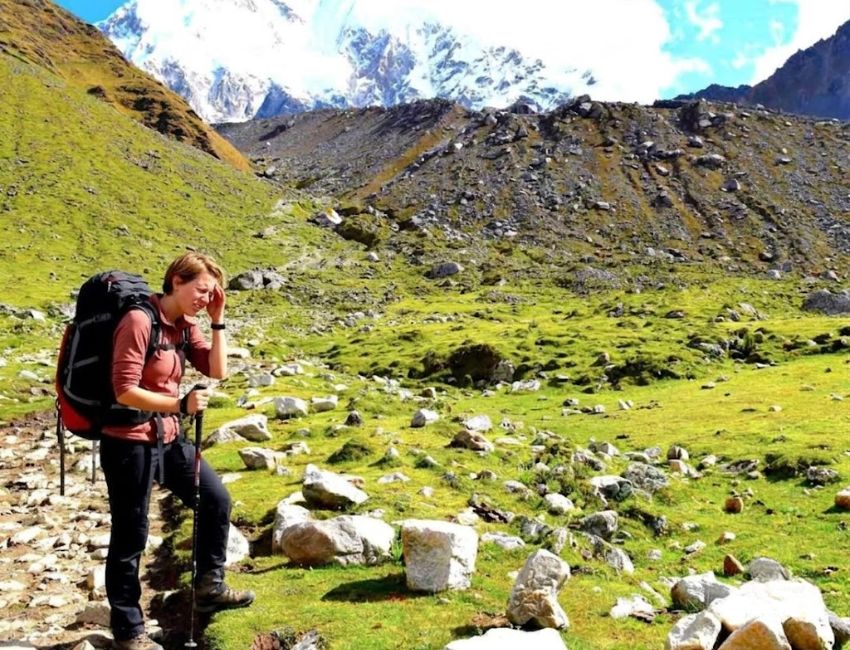
Any severe headache, nausea, dizziness, unusual weakness, significant shortness of breath, or difficulty walking should be reported to the guide immediately. You should not hide symptoms out of fear of delaying the group.
The guide and operator should have response protocols, but travelers must also act responsibly. If symptoms worsen, health is the priority, which may involve resting, adjusting the pace, or descending according to the assessment of the responsible team.
Which itinerary to choose based on experience
The difficulty of the Salkantay Trek can vary according to the program length, daily distances, elevation gain, type of accommodation, and included services. An itinerary with more days is not always easier, but it may distribute the effort more effectively.
Before booking, review the details of each stage, estimated times, maximum altitude, and which luggage is transported. Do not choose based only on price or the number of days: a budget program may include less logistical support or more demanding daily stages.
4-day Salkantay Trek
A 4-day program may concentrate the effort and distances into fewer stages. Therefore, it is not always the easiest option, even if it seems convenient for travelers with limited time in Cusco.
This format may work for well-prepared people accustomed to long hikes. Beginners should carefully review the daily kilometers, expected hiking hours, and the possibility of having luggage transport.
5-day Salkantay Trek
The 5-day Salkantay Trek can distribute some stages more effectively and offer more time to walk at a relaxed pace. Even so, it remains a demanding multi-day hike, with ascents, changing terrain, and the effects of altitude.
For a traveler without experience, an additional day can make recovery easier and allow for a less rushed pace. However, the decision should be based on the complete itinerary, not only on the number of days advertised by the operator.
Luggage transport
Check whether the operator transports the main luggage between rest points. This service allows you to hike with only a small backpack and significantly reduces the physical load during ascents and descents.
It is also advisable to ask about the weight limit, which items must remain in the daypack, and how luggage is handled in case of rain. If you need to confirm these details before booking, the Salkantay.tours team can advise you on the logistics of each program.
Is it advisable to do it with a guide?
Yes, doing the Salkantay Trek with a guide is especially advisable for beginners. Guidance makes navigation, stage planning, and responding to weather changes, excessive fatigue, or altitude-related issues easier.
Although some people have hiking experience, the route requires planning in mountain areas and knowledge of actual hiking times. A guide does not eliminate the physical effort, but provides support for making safer decisions throughout the route.
Advantages for beginner travelers
A guide knows the route, monitors timing, and can advise on the appropriate pace according to the group’s conditions. They also provide practical information about altitude, weather, stops, meals, and basic care during each stage.
In case of discomfort, weather changes, or difficulties on the trail, having an organized team makes it possible to act more quickly. For anyone who has never done a multi-day trek, this assistance reduces uncertainty and helps them focus on walking.
The importance of choosing a licensed operator
Before booking, review the guides’ experience, emergency protocols, luggage transport, included services, and accommodation conditions. Request a clear itinerary so you know what to expect each day.
It is also advisable to confirm whether a first-aid kit, emergency communication, and support in case you leave the route are included. Be wary of programs that do not explain the logistics, do not answer safety questions, or promise an unrealistic difficulty level.
Frequently asked questions
These answers help you assess whether the Salkantay Trek suits your current level and which aspects you should prepare before traveling. Experience builds confidence, but it does not replace training or altitude acclimatization.
Can someone who has never gone trekking do the Salkantay Trek?
Yes, it is possible if they train in advance, have sufficient physical fitness, acclimatize before starting, and choose an appropriate itinerary. For a beginner, maintaining a steady pace and booking an organized service is usually a safer option.
Is climbing experience needed?
No. Standard tourist itineraries do not require climbing techniques or technical mountaineering equipment. They do include demanding trails, ascents, descents, and uneven terrain that require attention, good footwear, and physical endurance.
Is walking regularly enough?
Walking regularly helps build a good foundation, but it is also advisable to practice elevation gain, long days, and activity on consecutive days. Walking only on flat surfaces does not fully prepare you for the route’s slopes and varied terrain.
Is it better to do a short hike first?
Yes. Completing a day hike beforehand allows you to assess your footwear, pace, backpack, and your body’s response to exertion. If possible, doing it in an area with elevation gain or altitude provides a more useful reference.
What is more important: experience or preparation?
Both help, but physical preparation, acclimatization, and a responsible choice of itinerary are essential. A person without experience can succeed with planning, while an experienced traveler may struggle if they arrive untrained or without adapting to the altitude.