


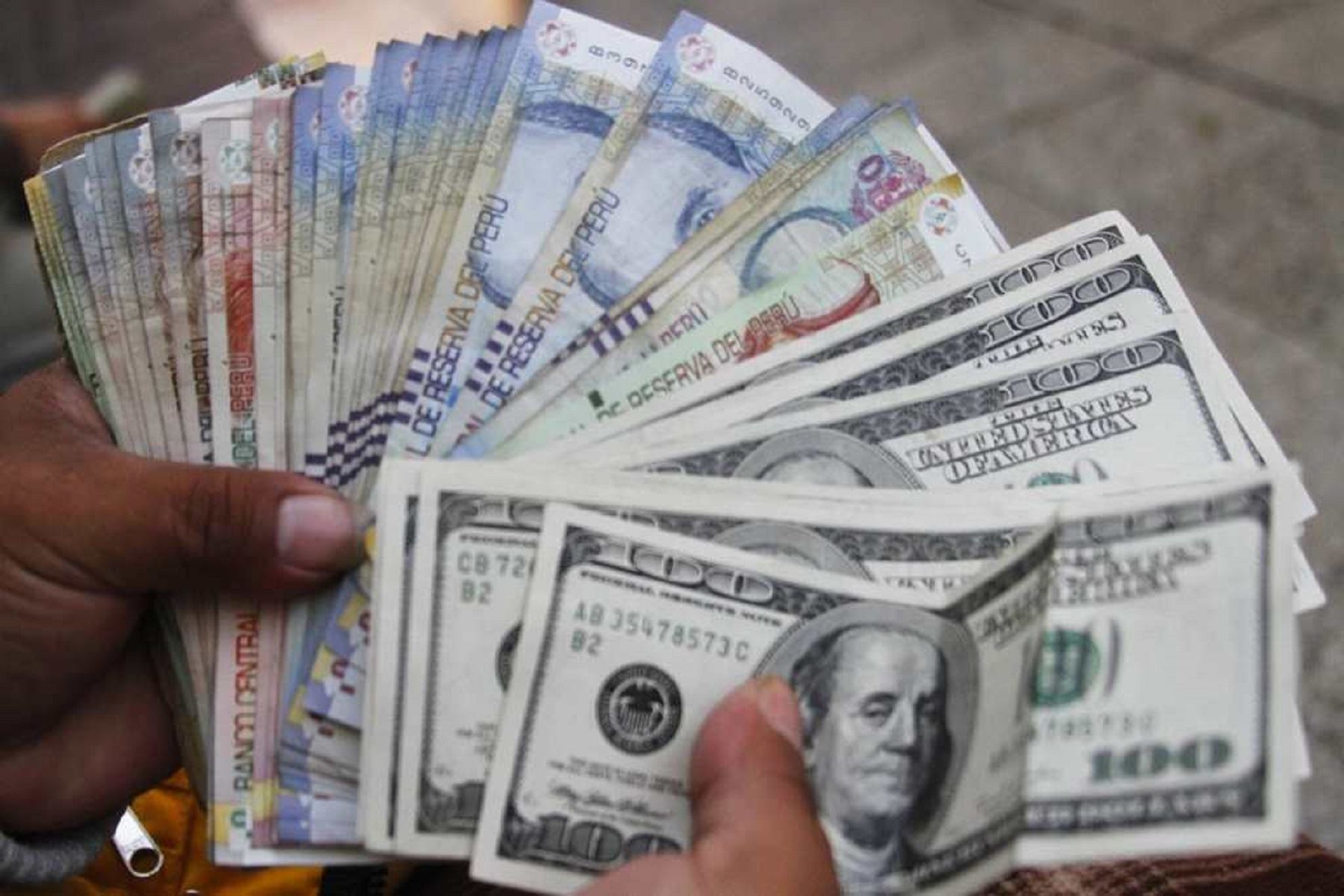
If you are preparing for your Salkantay Trek, you have probably already calculated the cost of the tour, flights, accommodation in Cusco, and other major expenses. However, there is one detail many travelers forget until just a few days before starting the hike: how much cash to bring on the Salkantay Trek.
Even if you have booked a package that includes transportation, meals, accommodation, and other services, it is advisable to bring some extra soles along the route.
Salkantay passes through rural areas where you will not always find ATMs or be able to rely on cards or digital payments. In addition, small personal expenses, optional services, or unexpected situations may arise during the journey.
As a practical reference, bringing around S/300 to S/400 extra per person can provide a reasonable buffer for many travelers, although the final amount will depend on what your tour includes, your personal expenses, and the optional services you choose to use. Some operators currently recommend approximate ranges from S/200 to S/400.
In this guide, we explain what you might need cash for and how to organize it before leaving Cusco.
Do I need to bring money if I have already paid for my Salkantay Trek?
Yes, it is recommended.
A tour may include virtually all the main hiking services, yet there may still be small personal expenses along the way.
For example, depending on the itinerary and the agency, you may need money for:
- Additional drinks.
- Snacks.
- Showers or other services at certain campsites.
- Restrooms at some points along the route.
- WiFi or device charging when these have a cost.
- Optional services.
- A horse on certain sections.
- Alternative transportation in specific circumstances.
- Tips.
- Personal purchases.
- Expenses in Aguas Calientes.
- A small emergency fund.
That is why, “all-inclusive” does not always mean you will not need any cash at all for several days.
Before starting the route, carefully review what your package includes and does not include.
How much cash should I bring on the Salkantay Trek?
There is no exact amount that works for every traveler.
As a reference, you can consider around S/300 to S/400 per person as an additional fund, especially if you want some room for small expenses and unexpected situations.
Some Salkantay operators currently publish recommendations ranging approximately from S/200–S/300 to S/300–S/400, showing that the amount depends greatly on the service you book.
This does not mean you will necessarily spend all of that money.
You may finish the trek using only a small portion, especially when your agency includes water, meals, accommodation, and other services.
The extra money mainly serves as a backup.
Bring Peruvian soles
For small expenses along the way, the most practical option is to bring Peruvian soles.
The Salkantay Trek passes through rural communities and small establishments where cash remains the simplest option.
It is not advisable to rely exclusively on dollars, bank cards, or mobile apps.
Also, try to carry a combination of small bills and coins.
If you buy a drink or use an inexpensive service, paying with a large-denomination bill can be inconvenient because some small establishments may not have enough change.
Are there ATMs during the Salkantay Trek?
You should not plan your hike expecting to find an ATM along the route.
Withdraw or exchange the money you need before leaving Cusco.
Once you begin the trek, you will enter rural areas where access to financial services is much more limited.
When you arrive in Aguas Calientes, you will find considerably more tourist infrastructure again, but during the hike, it is best to assume you must rely on the cash you are already carrying.
Water and drink expenses
Depending on the service you book, your agency may provide water for much of the hike.
For example, some operators ask travelers to bring water for the first few hours and then provide safe water for refilling bottles.
Even so, in certain sections you may find small establishments selling:
- Bottled water.
- Drinks.
- Juices.
- Snacks.
- Other basic products.
These purchases are completely optional, but it is useful to have some soles available.
Before departing, ask your agency from what point they provide water and how much capacity you should carry in your bottles.
Money for extra snacks
Organized tours usually include main meals and, depending on the service, may also provide some snacks.
However, every traveler has different preferences.
Along the way, you may find small places where you can buy chocolate, cookies, drinks, or other products.
You do not need a large budget just for this, but a few small bills can be helpful.
You can also buy your favorite snacks in Cusco before starting the hike.
Restrooms and showers during the Salkantay Trek
Conditions vary depending on the campsite, community, and agency.
Some services may be included, while others may require an additional payment.
For example, one Salkantay operator currently states that certain showers may cost approximately S/10, while other campsites offer them at no extra charge. This should be understood only as a reference, as conditions may vary between providers and itineraries.
For this reason, it is advisable to have coins and small bills.
Before booking, ask specifically:
Are restrooms included?
Are there hot-water showers?
Do they cost extra?
Do I need to bring toilet paper?
Knowing these details helps avoid surprises along the way.
Will I need money for WiFi or charging my phone?
It may depend on the campsite.
- Some facilities offer electricity or WiFi, while others may charge for certain services.
- One operator on the route states that some of its campsites offer WiFi access for an additional cost.
- For this reason, in addition to cash, it is advisable to bring a fully charged power bank.
- Do not depend on having electricity available every night to keep your phone, camera, or watch working.
How much money should I set aside for a horse?
On certain sections of Salkantay, it may be possible to hire an additional horse.
The price is not universal and may vary depending on the section, community, operator, and current conditions.
As an example of this variation, one operator currently publishes approximate references of S/80 for certain first-day services and S/120 for a second-day section, while another of its pages presents different conditions and prices. This shows why it is not advisable to publish a price as though it were official for the entire route.
If your agency offers this option, ask directly:
- On which days it can be used.
- On which sections it is available.
- How much it costs.
- Whether it needs to be booked in advance.
- Which payment methods they accept.
Do not assume that a horse will be available at any point along the route.
Set aside part of your cash for unexpected situations
This is probably the most important reason to bring extra money.
Plans can change during a multi-day hike.
You may need to use alternative transportation, buy something you forgot, change part of the itinerary, or cover an unexpected expense.
Some operators explicitly recommend bringing extra cash precisely as a fund for emergencies or transportation changes.
For this reason, avoid spending all your money during the first few days.
Always keep some aside until you reach Aguas Calientes.
Tipping during the Salkantay Trek
Tips are another subject you should consider when preparing your budget.
Organized tours involve different people who make the hike possible, such as guides, cooks, and support staff.
Tipping is usually voluntary and depends on your experience and on each company’s policies or recommendations. A major operator on the route explicitly states that tips are at the traveler’s discretion.
Ask during the pre-trek briefing whether your agency has any guidance on this subject.
If you decide to leave a tip, you can set that money aside in Cusco to avoid accidentally spending it during the first few days.
Do I need extra money in Aguas Calientes?
Yes, it can be convenient.
Aguas Calientes, also known as Machupicchu Pueblo, is the town where many travelers spend their last night before or after visiting Machu Picchu.
There you will find restaurants, shops, markets, and various tourist services.
Even if certain services are included in your package, you may want to buy:
- An additional meal or drink.
- Souvenirs.
- Snacks.
- Personal items.
- A service not included in your tour.
For this reason, do not reach the end of the hike after using all your cash.
How to organize your money before starting the trek
Good organization can prevent unnecessary problems.
1. Review what your tour includes
Before calculating how much cash to bring, check exactly what you have paid for.
Pay special attention to:
- Meals.
- Water.
- Entrance fees.
- Transportation.
- Accommodation.
- Luggage.
- Showers.
- Horses.
- Train.
- Bus to Machu Picchu.
- Optional services.
Each agency organizes its packages differently.
2. Exchange money before leaving Cusco
3. Bring small bills
4. Divide your money
5. Protect your cash from rain
6. Keep a fund for the end
Card or cash for the Salkantay Trek?
During your stay in Cusco and Aguas Calientes, a card can be useful.
During the trek, cash is much more practical for small expenses.
The best option is to combine both:
Card: for larger expenses before and after the trek.
Cash in soles: for the route and small establishments.
Do not rely completely on an internet connection to make payments while you are hiking.
Should I bring dollars?
You can travel to Peru with dollars and exchange them in Cusco, but for small Salkantay expenses, it is preferable to have soles.
Some operators even advise bringing the extra money directly in Peruvian currency because dollar use may be limited in rural areas.
Exchange your money before starting the trek.
So, how much money should I bring?
As general guidance, an additional S/300 to S/400 per person provides a practical buffer for many travelers taking an organized tour.
However, you should not interpret this amount as a mandatory cost.
You may need less if your package includes many services, or more if you decide to book extras.
Before traveling, check with your agency because prices, services, and conditions may change.
The most important question is not only “how much money should I bring?”, but:
“What is not included in my booking?”
With that answer, you will be able to calculate a much more accurate budget.
If you are organizing your trip, check out our Salkantay Trek to learn about the itinerary, included services, and additional expenses to consider before beginning the hike to Machu Picchu.
Frequently asked questions about money on the Salkantay Trek
How much cash should I bring on the Salkantay Trek?
As a practical reference, you can consider approximately S/300 to S/400 per person as an additional fund. The final amount will depend on what your tour includes and your personal expenses.
Should I bring soles or dollars?
For small expenses during the hike, it is preferable to bring Peruvian soles, especially low-denomination bills.
Are there ATMs during the Salkantay Trek?
You should not rely on finding ATMs during the route. Withdraw or exchange the necessary cash before leaving Cusco.
What will I need cash for?
It may be used for drinks, snacks, certain restrooms or showers, optional services, tips, personal purchases, and unexpected expenses.
Can I pay by card during the trek?
This may be possible in some locations, but you should not depend on it during the hike. Carrying cash remains the most practical alternative.
Are tips included?
Tips are normally handled separately and are voluntary. Check your agency’s specific recommendations.
Do I have to pay to use a horse?
If you decide to hire an additional horse and it is not part of your package, it will normally be an extra service. The price and availability depend on the section and provider.
Do I need cash in Aguas Calientes?
It is advisable to keep some cash for meals, personal purchases, souvenirs, or other services not included in your package.
Is it mandatory to spend S/300 or S/400?
No. That amount serves only as a reference fund. You may end up using much less.
Conclusion
Bringing some extra money is a simple but important part of preparing for the Salkantay Trek.
Even if you have booked a tour with most services included, having cash in soles, small bills, and a reserve for unexpected situations will allow you to take on the route with greater peace of mind.
Calculate your budget after reviewing exactly what your package includes, exchange your money before leaving Cusco, and avoid relying solely on cards or digital payments.
This way, you can focus on what truly matters: enjoying the route through the Andes, crossing Salkantay’s diverse landscapes, and continuing your adventure to Machu Picchu.