


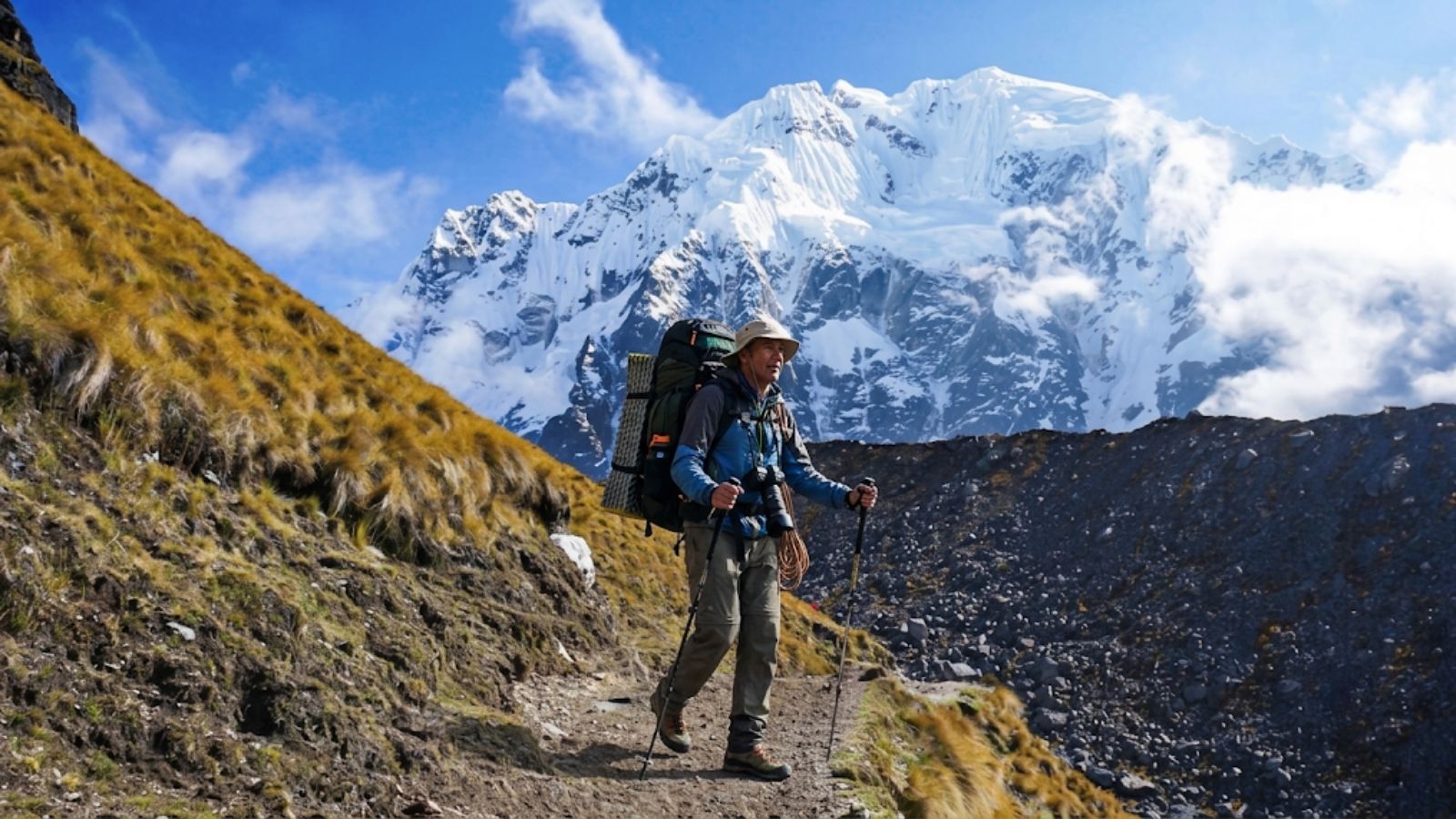
Operating the Salkantay Trek is not just about organizing a hike. It involves transporting passengers, hiring guides, providing meals along the route, selling services to consumers, and taking people above 4 600 m a.s.l. Each of these activities is regulated differently in Peru, and a formal agency must comply with all of them. Knowing which permits and licenses apply to each one helps you understand what is behind a reputable operator and how it protects you as a traveler when you book with one.
The legal framework for travel agencies in Peru
Tourism activity in Peru is regulated by the General Tourism Law, Law 29408, which establishes the general principles of the sector. Based on this law, specific regulations have been developed for each type of provider: travel agencies, guides, accommodation establishments, and adventure tourism operators, among others.
The national authority is the Ministry of Foreign Trade and Tourism. In Cusco, the implementation of these regulations and the registration of providers falls under the Regional Directorate of Foreign Trade and Tourism.
These are complemented by regulations that are not tourism-specific but apply to any business: tax, municipal, and consumer protection regulations.
Tax registration with SUNAT
The Single Taxpayer Registry is the starting point. Without it, a business cannot issue payment receipts, hire employees on payroll, or register with any other official registry.
For travelers, the RUC guarantees something specific: that there is an identifiable individual or legal entity behind the brand, with a declared tax address, that can be held accountable.
Municipal operating license
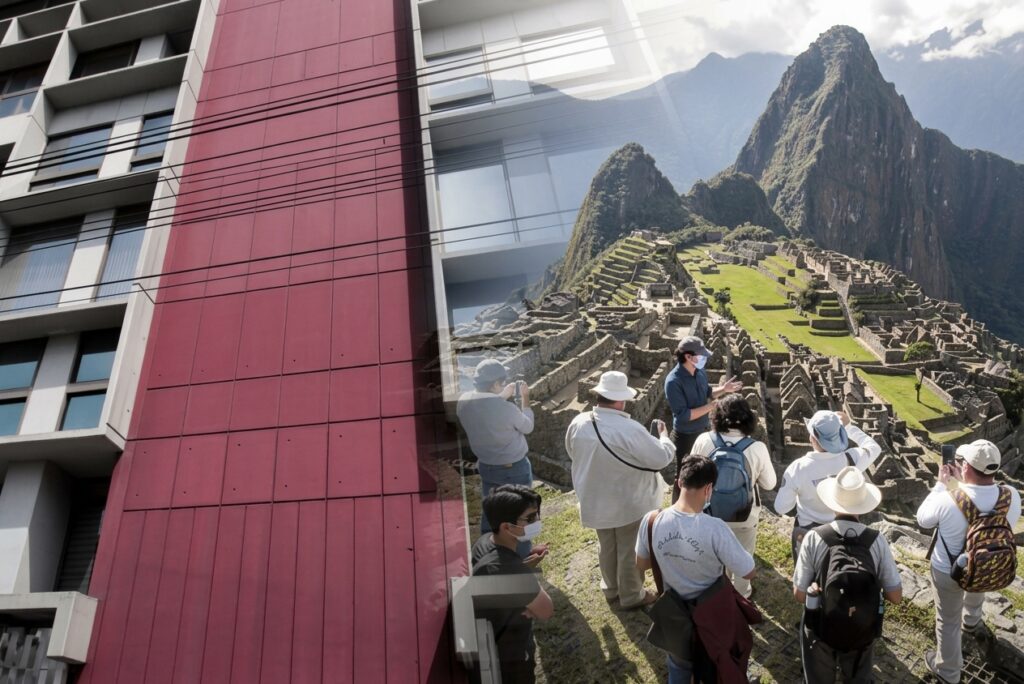
Any agency that serves the public from a physical office needs an operating license issued by the municipality of the district where it is located, under the Framework Law for Operating Licenses, Law 28976. In Cusco’s historic center, it is issued by the Provincial Municipality.
The license certifies that the premises are authorized for that activity and comply with the relevant zoning regulations. It is a prerequisite for registering as a travel agency with the regional tourism authority.
Building safety certificate
To obtain the license, the premises must pass a technical building safety inspection. This verifies emergency exits, electrical installations, and basic safety conditions for people entering the office.
Registration as a travel and tourism agency
This is the tourism-specific permit. The Travel and Tourism Agency Regulations establish the requirements a business must meet to operate as such, and the regional authority issues a certificate that adds it to the national directory of tourism service providers.
For travelers, this registration means the agency is under tourism sector supervision and can be inspected and sanctioned if it fails to meet its obligations.
Classifications: retailer, wholesaler, and operator
The regulations distinguish three types of agency. A retailer sells services directly to travelers but does not operate them. A wholesaler designs packages and sells them through other agencies. A tourism operator organizes and delivers services at the destination: transportation, guiding, meals, and accommodation along the route.
A business can hold more than one classification. For Salkantay, the company that runs the trek must be registered as a tourism operator. If you book through a retailer, it should tell you which operator will provide the service.
Requirements for operating adventure tourism
Multi-day high-mountain trekking is considered adventure tourism, and in Peru this activity has its own safety regulations in addition to those for travel agencies.
Among other requirements, these regulations require the operator to have safety and emergency response protocols, properly maintained equipment, staff trained in first aid, and prior information for travelers about the risks of the activity.
This is the permit most closely related to your safety during the trek. An operator that complies with adventure tourism regulations knows what to do if a passenger develops severe altitude symptoms at the mountain pass, because it has a written procedure and trained staff to apply it.
Official tourism guides
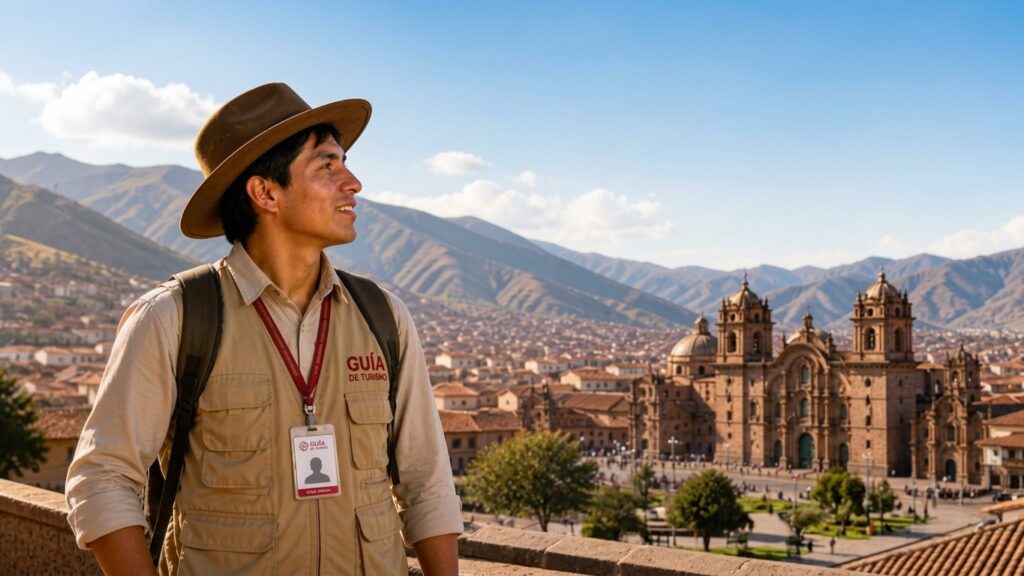
The Tourism Guide Law, Law 28529, regulates the practice of this profession. It establishes who may work as an official guide, what training is required, and how credentials are obtained.
An official tourism guide has professional or technical training in the field and an ID card that identifies them. On the Salkantay, adventure tourism regulations also require training in first aid and mountain emergency management.
For you, an accredited guide means someone who knows the route, can explain what you see, and has the training to make safety decisions when conditions change.
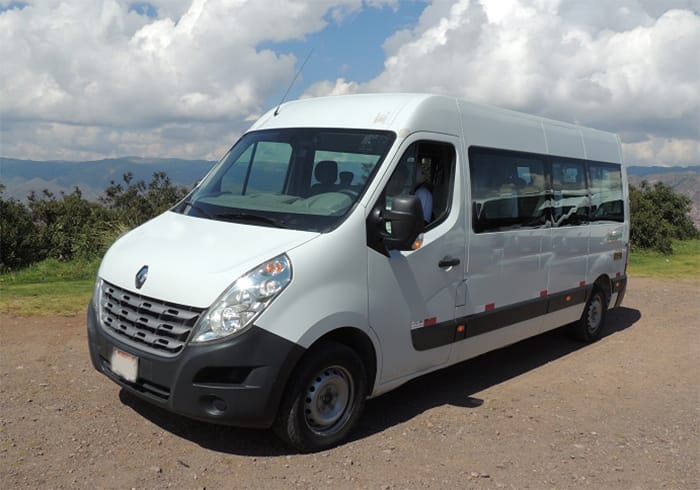
The transfer from Cusco to the start of the hike, and the return at the end, takes place on mountain roads. Vehicles transporting tourists must have authorization for tourist transportation services, valid mandatory traffic accident insurance, and up-to-date technical inspections.
Many agencies subcontract transportation. This is common and does not pose a problem, as long as the transportation company is also authorized. The agency that sold you the service remains responsible to you.
Complaints book
The Consumer Protection and Defense Code, Law 29571, requires providers that sell to the public to have a complaints book, physically at their premises and online if they sell over the internet.
The book is not a symbolic formality. The business is required to respond to every complaint within a legal timeframe, and Indecopi monitors compliance. It is your formal tool if the service does not match what you booked.
What Salkantay does not require but the Inca Trail does
One important difference from the Inca Trail: to operate that route, agencies need an additional specific authorization because the trail is within the Historic Sanctuary of Machu Picchu and has a regulated daily visitor limit. Only a limited number of operators hold this permit.
Salkantay does not have an equivalent permit for operating the route. This explains why more agencies offer it, but it does not reduce the other requirements: the agency still needs all the previous permits to operate legally.
Summary of permits and what each one guarantees
| Permit or registration | Issued by | What it guarantees |
| RUC | SUNAT | An identifiable and accountable business |
| Operating license | Municipality | Authorized premises with safety conditions |
| Registration as a travel agency | Regional Directorate of Foreign Trade and Tourism | Tourism sector oversight |
| Compliance with adventure tourism regulations | Tourism authority | Safety protocols and trained staff |
| Official guides | Accredited training and professional registration | Route knowledge and emergency management |
| Authorized tourist transportation | Transportation authority | Authorized and insured vehicles |
| Complaints book | Obligation before Indecopi | A formal channel for complaints |
To verify this information yourself before paying, follow the criteria for checking whether a Salkantay Trek agency is legal.
Frequently asked questions
Does an agency need a special permit for Salkantay?
There is no exclusive permit to operate this route, as there is for the Inca Trail. However, the agency must meet all the general requirements for a tourism operator and comply with adventure tourism safety regulations.
Do muleteers and cooks also need credentials?
They are not required to have a license like guides, but the operator is responsible for ensuring that support staff work under appropriate conditions and receive the basic training required by adventure tourism regulations, especially in safety.
What happens if an agency operates without being registered?
It may be sanctioned with fines and closure of its premises. For travelers, the issue is different: if the service fails, filing a complaint against an unregistered business is much more difficult because there is no registry linking it to sector obligations.
Is the agency required to have insurance for passengers?
Transportation must have mandatory traffic accident insurance. Beyond that, the coverage offered by each operator varies, so it is advisable to travel with your own travel insurance that covers high-altitude activities.
Can a foreign agency sell the Salkantay?
It can sell it, but the operation in Peru must be carried out by a formal local operator. If you book with an agency in your country, ask who operates the trek at the destination.