


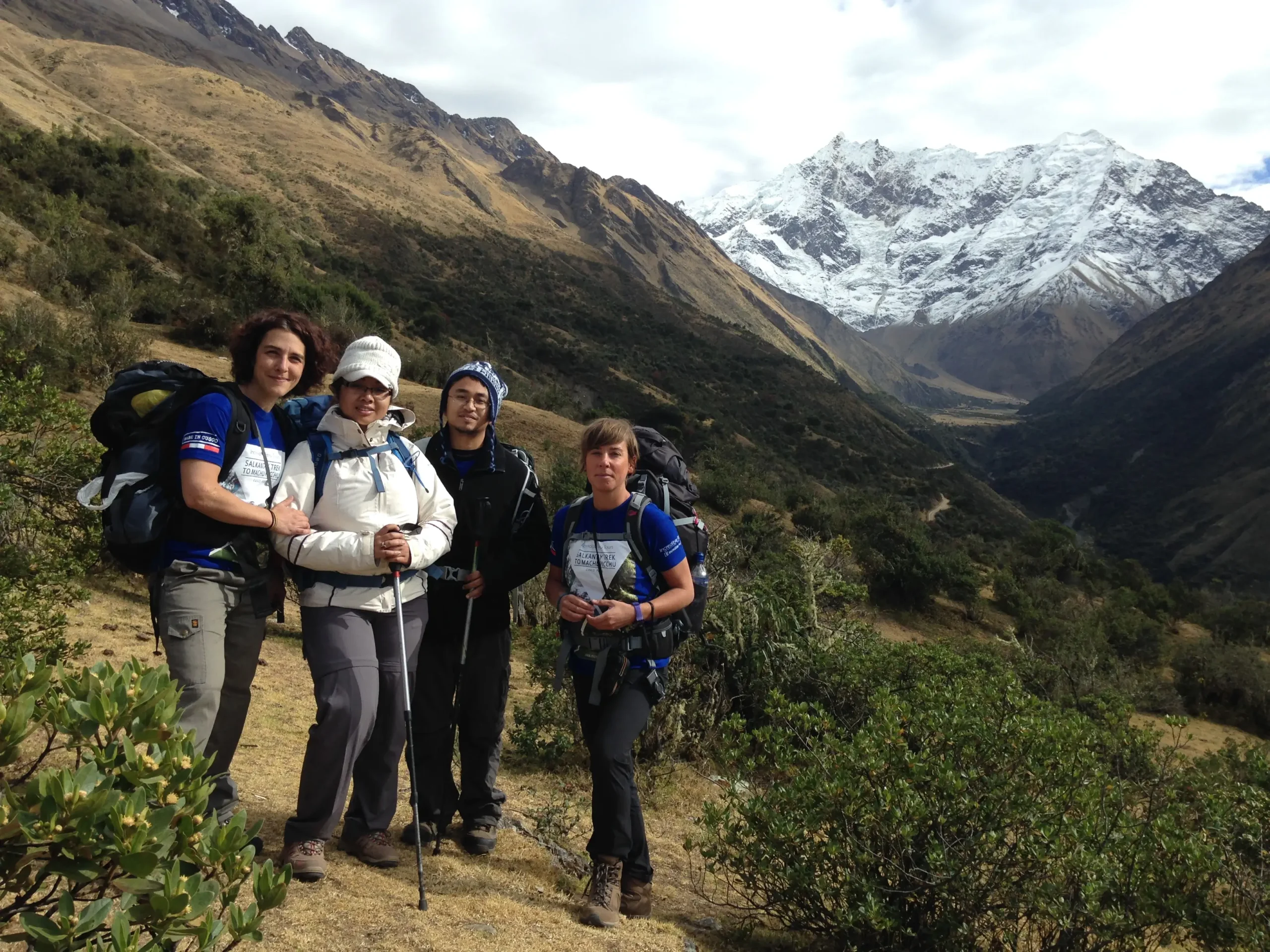
Yes, the Salkantay Trek can be worth it for those seeking adventure, varied landscapes, and a different way to reach Machu Picchu. The route combines several days of hiking with snow-capped mountains, lagoons, valleys, cloud forest, and jungle sections, so the journey carries just as much weight as the final visit to the citadel.
It is also a demanding hike. There is altitude, marked weather changes, and several-hour days on uneven terrain. The decision depends on your fitness level, available time, budget, and the level of comfort you expect during the trip.
Why is the Salkantay Trek worth it?
The Salkantay Trek can be a great alternative for travelers who want to explore the surroundings of Cusco on foot and reach Machu Picchu via a mountain route. Its main appeal lies in the diversity of the journey and the feeling of gradually moving through very different ecosystems.
It is not necessarily the best choice for everyone. Travelers who prefer shorter routes, more predictable schedules, or more comfortable accommodations may feel better choosing another way to visit Machu Picchu.
Varied landscapes along the route
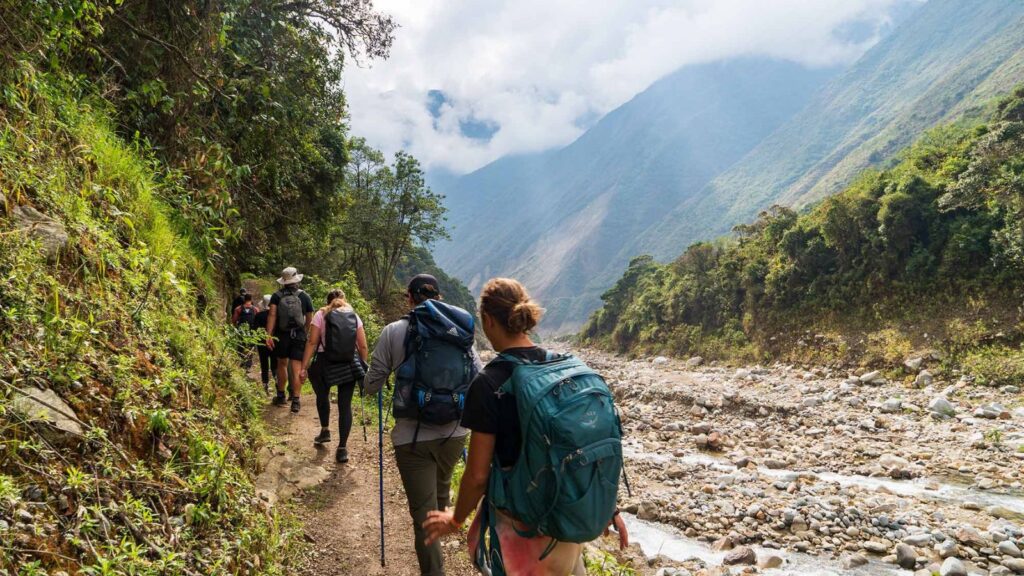
During the Salkantay Trek, it is possible to pass through lagoons, snow-capped mountains, high-altitude valleys, cloud forest, and jungle areas. The change happens gradually as the route descends from its highest points.
This variety keeps the days from feeling the same. For many travelers, moving from a cold mountain setting to wetter, greener areas is one of the main reasons to choose this trek.
An alternative route to reach Machu Picchu
The trek allows you to approach Machu Picchu through an experience different from more traditional routes. Rather than focusing only on the final destination, it offers several days through mountain scenery and rural paths.
Final access to Machu Picchu depends on the itinerary booked. Some programs combine hiking, ground transportation, and train travel, while others may include additional walking sections before arriving in Aguas Calientes.
Adventure experience and connection with nature
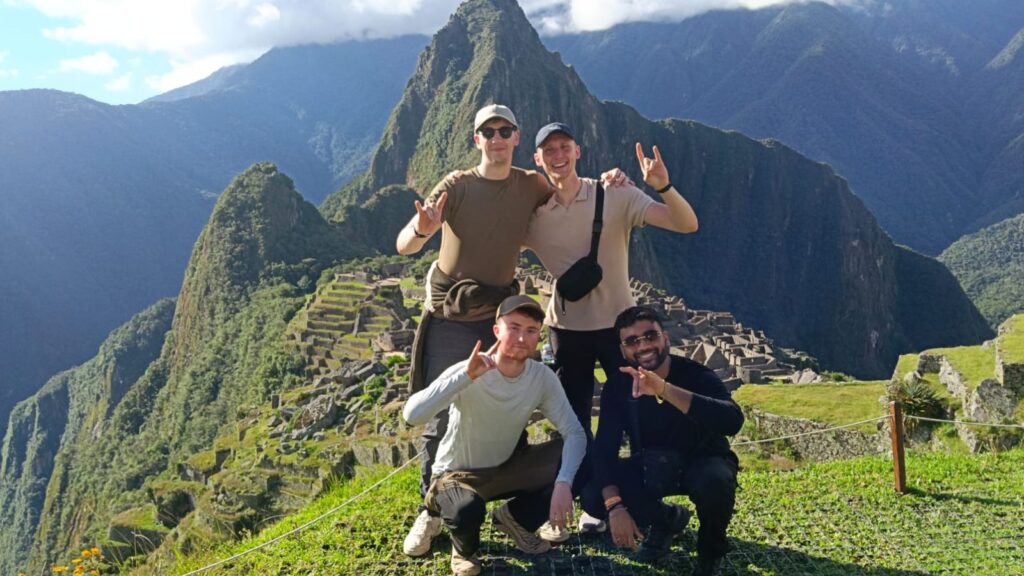
The journey involves spending several days hiking outdoors, with little contact with urban areas for much of the route. This allows you to observe the surroundings more calmly and adapt to the pace of each stage.
It can appeal to travelers who enjoy outdoor activities and value physical effort as part of the journey. It is not an activity designed for rushing through or for those seeking only a brief visit to Machu Picchu.
Fewer crowds than other popular routes
Some sections of the Salkantay Trek may feel less crowded than other well-known routes to Machu Picchu. This can make for a quieter hike, especially in areas away from meeting points and campsites.
Even so, it is not wise to assume the entire route will be free of tourists. Visitor numbers vary according to the season, departure day, groups sharing the route, and the chosen itinerary.
Main benefits of the Salkantay Trek
Among the benefits of the Salkantay Trek are the opportunity to take a multi-day route, adapt the service to your available budget, and combine nature with a visit to Machu Picchu. It also offers duration and accommodation options that can suit different travel styles.
Before booking, it is worth comparing more than just the price. The distribution of hiking days, group size, included equipment, and logistics for reaching Machu Picchu directly affect what the experience will be like.
Views of mountains, lagoons, and jungle
A single trek allows you to observe high-mountain ecosystems, bodies of water, and areas of denser vegetation. This geographical transition is a clear advantage over routes that maintain similar scenery throughout the journey.
The views depend on the weather and the time of day you hike. On clear days, the mountains are easier to appreciate, while in lower areas humidity and mist can completely change the appearance of the trail.
Different itinerary options
There are programs with different durations, service levels, and types of accommodation. Some focus on completing the route in fewer days, while others spread out the stages to provide a less concentrated pace.
Features vary by company. Before choosing, check the daily distance, overnight accommodation type, whether personal luggage transport is available, and how the final transfer to Machu Picchu is organized.
Cultural experience along the route
Some itineraries allow you to pass near local communities, observe farming activities, or learn about daily practices in rural areas. These encounters can provide context about life in the valleys and mountain areas near Cusco.
Not all departures include organized cultural visits or the same level of interaction. If this aspect is a priority for you, ask which communities or activities are actually part of the program before booking.
A sense of achievement after completing the trek
Completing a multi-day route requires consistency, especially on days with greater elevation gain or altitude. For this reason, reaching the end of the journey can create a personal sense of accomplishment.
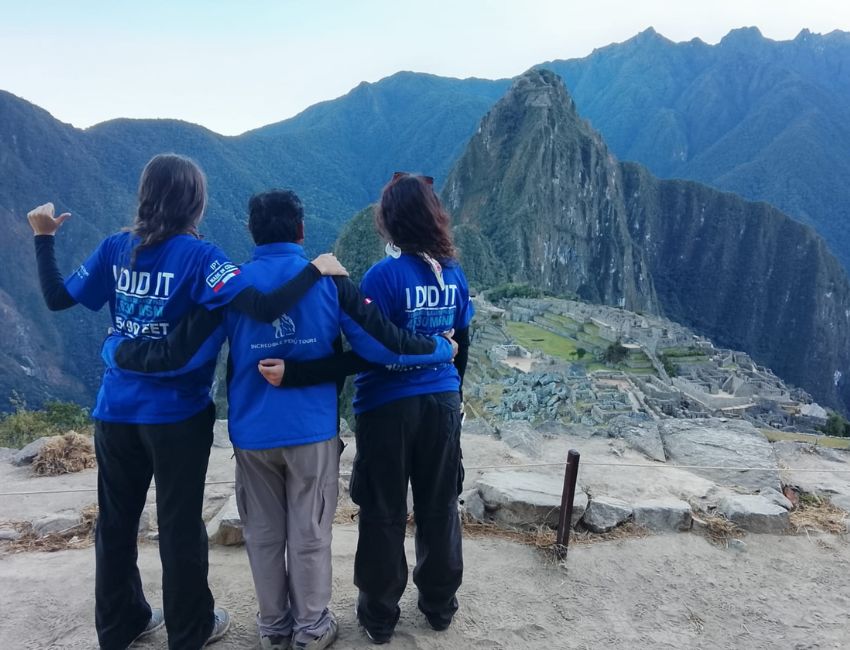
For many travelers, visiting Machu Picchu feels different after hiking for several days. The value lies not only in reaching the destination, but also in having sustained the effort needed to get there.
Things to consider before doing the Salkantay Trek
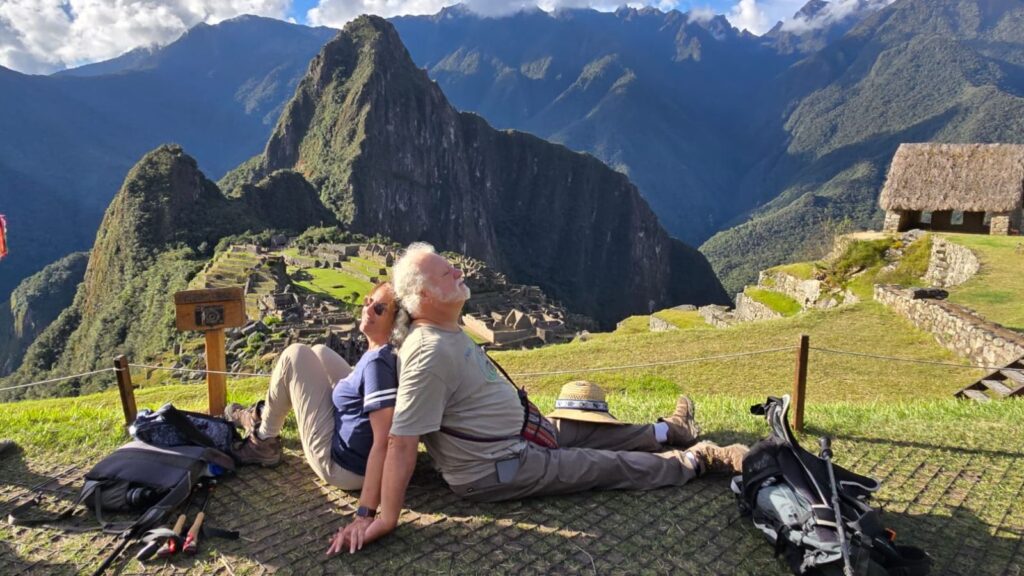
Before booking, it is worth assessing the physical challenges and practical aspects of the route. The Salkantay Trek does not require you to be a professional athlete, but it does require preparation, tolerance for altitude, and willingness to hike for extended days.
You should also carefully review what the service includes. Two programs with similar names may have important differences in accommodation, meals, transportation, equipment, and assistance during the journey.
Physical demands of the route
The route includes several hours of hiking per day, ascents, descents, and terrain that may be rocky, wet, or uneven. The effort builds up over the days, especially if you do not have experience with long hikes.
Check the distances and elevation gains in the itinerary before deciding. Knowing the number of days is not enough, since a shorter departure may concentrate more kilometers and greater daily effort.
Altitude and the need for acclimatization
The Salkantay Trek reaches high-altitude areas, including a mountain pass above 4,000 m above sea level. Lack of acclimatization can affect your hiking pace and make the route more difficult.
It is advisable to spend a few days acclimatizing in Cusco or the Sacred Valley before starting. Each person responds differently to altitude, so it is best to assess your personal situation and travel with extra time.
Weather and temperature changes
On the same route, you may encounter intense cold, rain, humidity, strong sun, and rapid temperature changes. This is due to the difference in altitude between the first days and the cloud forest or jungle sections.
Wearing layers helps you adapt to each stage. It is also advisable to protect your luggage from rain and check whether the operator provides ponchos, waterproof bags, or suitable camping equipment.
Duration and hiking hours
Programs usually last several days and may include long hiking days. Actual hiking time varies according to the group’s pace, breaks, weather, and the layout of each itinerary.
Before confirming your booking, ask how many hours are hiked during each stage and what happens if a traveler needs to move at a slower pace. Having this information prevents unrealistic expectations about the daily demands.
Type of accommodation and included services
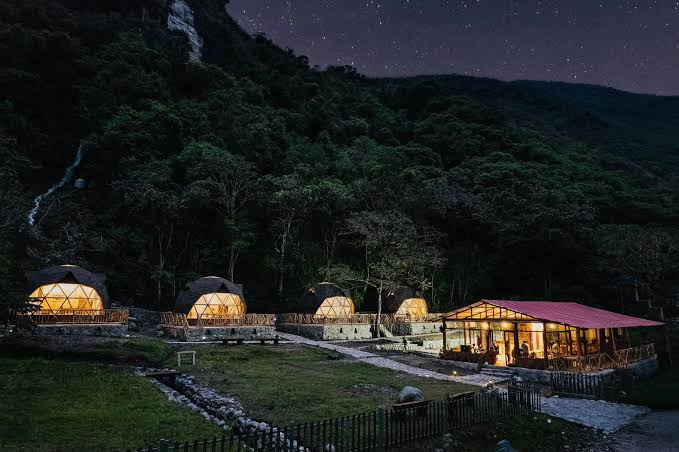
Comfort depends on the type of campsite, accommodation, meals, luggage transport, and assistance offered by each company. There are programs with tents and basic services, as well as options that include better-equipped accommodations at some stages.
Confirm whether a sleeping bag, sleeping pad, tent, showers, bathrooms, meals, and transport for your belongings are included. These details greatly influence rest and the trek’s final budget.
Who is the Salkantay Trek worth it for?
This route usually works best for travelers who want the journey to be a central part of their visit to Machu Picchu. The choice should be based on personal interests, fitness level, and willingness to spend several days in mountain environments.
There is no single profile. A person without technical trekking experience can enjoy it if they prepare well, while someone used to traveling may not feel comfortable with altitude or camping conditions.
Travelers who enjoy adventure
It can be a great experience for those who enjoy multi-day hikes, contact with nature, and changing conditions along the route. Physical effort, camping logistics, and weather are part of the activity.
It is also suitable for those who do not expect all the comforts of a hotel every night. Having a flexible attitude helps when there is rain, weather-related delays, or changes of pace within the group.
People in good physical condition
Adequate physical preparation helps you face long days, elevation changes, and altitude more effectively. It does not eliminate the effort, but it allows you to hike more safely and recover better between stages.
Training in advance through hikes, endurance exercises, and routes with elevation gain can be helpful. Preparation should take into account that hiking for several hours at altitude does not feel the same as doing so at sea level.
Travelers looking for a less crowded route
The Salkantay Trek can appeal to those seeking an alternative to the best-known routes to Machu Picchu. In certain sections, the surroundings feel more remote and there may be fewer people passing through.
This characteristic does not mean total isolation. Campsites, rest stops, and final access points may bring together several groups, especially during the months with the highest tourism demand.
People who want to walk to Machu Picchu
The route can be suitable for those who value the journey and the preceding experience as much as the final visit to Machu Picchu. Hiking for several days allows you to build a different connection with the trip and the landscapes of Cusco.
The final arrival does not always involve walking directly to the entrance of the citadel. Depending on the program, it may include transport and train connections, so it is worth understanding this part before booking.
Who might it not be recommended for?
The Salkantay Trek may not suit every traveler because of its demands, duration, and accommodation conditions. Choosing another alternative does not mean missing the chance to visit Machu Picchu; it means adapting the trip to your real needs.
It is best to be realistic before booking. Forcing yourself to do a trek when you lack the time, preparation, or interest can affect the experience of your entire trip through Cusco.
Travelers with limited time
The trek requires several days and can take up a significant part of an itinerary in Cusco and Machu Picchu. You must also add the previous acclimatization days and the time needed for transfers.
If you have a short trip, it may be more convenient to prioritize a direct visit to Machu Picchu or other shorter activities. Cutting preparation time too much is one of the most frequent mistakes.
People who struggle with hiking at altitude
Altitude and long days can be challenging for some people. Passing through high areas requires paying attention to your own pace and how your body adapts during the first days in Cusco.
Before booking, assess your personal situation and consider whether you have had previous problems hiking at altitude. It is also helpful to learn about available alternatives if you need to adjust your pace or stop a stage.
Travelers who prefer greater comfort
Some programs use campsites and basic services, with shared bathrooms, low nighttime temperatures, and limited spaces for resting. These conditions may not suit all travelers.
There are also options with more comfortable accommodations at certain stages. Even so, the route still includes hiking days and weather conditions that cannot be compared with a conventional hotel trip.
People without prior physical preparation
Doing the route without preparation can make the experience more demanding than expected. Lack of endurance is often noticeable on ascents, long descents, and consecutive days of activity.
Training in advance for long hikes is a practical measure. If you cannot prepare, consider a more relaxed itinerary or an alternative that requires less physical effort.
Is the Salkantay Trek worth doing in 4 or 5 days?
Both the 4-day and 5-day versions can be worthwhile, but they offer different paces. The main difference lies in how distance, hiking hours, and rest periods are distributed.
Your choice should depend on your available time and fitness level. It is not advisable to decide based only on the number of days, as a shorter program may have considerably more intense stages.
Benefits of the 4-day route
A 4-day route allows you to complete the experience in less time. It can be convenient for travelers with a tight itinerary who still want to include a multi-day hike before visiting Machu Picchu.
The trade-off is that it usually concentrates more distance and effort into each day. It is an alternative that requires carefully reviewing schedules, inclines, and the level of preparation needed.
Benefits of the 5-day route
The 5-day version spreads out the hikes better and may offer more time to rest, observe the landscapes, and adapt to the pace of the route. This often helps the stages feel less rushed.
It can also be a more comfortable option for those who prefer to progress gradually. However, it requires an additional day in your trip and taking on the costs associated with one more night of service.
Which option to choose based on your time and fitness level
The four-day version may suit travelers with limited time and good physical preparation, provided they understand the demands of each stage. It is helpful to avoid assuming it will be easy just because it lasts fewer days.
The five-day version usually offers a more gradual pace and may be preferable for those who want to hike with more flexibility. Compare the actual itineraries before choosing, as the distribution varies between companies.
How much does the Salkantay Trek cost and what does it include?
The price of the Salkantay Trek can vary considerably depending on duration, service type, accommodations, transportation, and included entrance tickets. For this reason, there is no single cost that represents all available programs.
Before comparing rates, check which expenses you must cover separately. A lower starting price may not include items needed to complete the route or the final visit to Machu Picchu.
Factors that affect the price
Program duration, group size, accommodation category, luggage transport, and additional services affect the cost. The season, availability, and type of final transfer can also change the rate.
Private programs or small groups usually have a different price from shared departures. The level of logistical support, equipment quality, and number of staff members can also affect the budget.
Services to review before booking
Confirm whether the program includes meals, entrance tickets, transportation, a guide, accommodation, camping equipment, and assistance during the route. Also ask about luggage transport and the items you will need to rent or bring yourself.
Specifically check how entry to Machu Picchu, the train when applicable, and the transfer between Aguas Calientes and the entrance are coordinated. If you need help verifying itineraries, tickets, and logistics, you can consult directly with the Salkantay.tours team before confirming your departure.
Differences between a budget and premium tour
The main differences may lie in accommodation, group size, meals, equipment, and level of service. A higher-category service may include more comfortable tents, better rest options, or more personalized assistance.
A budget tour can work well if you have clear expectations and verify the inclusions. It is advisable to compare the quality and scope of services, not just choose the lowest rate.
What is the best time to enjoy the Salkantay Trek?
Landscape and hiking conditions change according to the season. The most convenient time depends on whether you prioritize a lower chance of rain, greener scenery, nighttime temperatures, or fewer visitors.
The dry season and rainy season offer different benefits and challenges. In both cases, it is necessary to bring suitable equipment and remain flexible in case of possible weather changes.
Benefits of traveling in the dry season
The dry season usually offers a lower chance of rain and better visibility conditions along several sections of the route. This can make hiking easier and allow you to appreciate mountain landscapes more clearly.
Nights can be colder, especially in high areas, and some months receive more visitors. Booking in advance can be useful if you travel during periods of highest demand.
Things to consider during the rainy season
During the rainy season, there may be wet trails, mud, clouds, and changes in visibility. Conditions can alter the hiking pace and require greater attention on descents or slippery sections.
On the other hand, the landscapes usually feature greener vegetation. Those traveling at this time should bring waterproof protection and accept that mountain views can vary greatly from one moment to the next.
So, is the Salkantay Trek really worth it?
The Salkantay Trek can be very worthwhile for prepared travelers seeking nature, adventure, and a special way to reach Machu Picchu. Its appeal lies in traveling through several environments during a demanding hike rather than limiting the trip to the final visit.
It may not be the right option for those with little time, who prefer greater comfort, or who do not want to take on long hikes at altitude. Honestly assessing your expectations, preparation, and booked itinerary will help you make a better decision.
Frequently asked questions about whether the Salkantay Trek is worth it
These answers cover common questions about the route’s difficulty, required experience, and conditions for enjoying it. The final choice should always take into account the specific itinerary and your personal situation.
Is the Salkantay Trek too difficult?
It is a demanding hike due to the altitude, elevation changes, and hiking hours. It is not usually considered an easy route, especially in the first stages and in the highest sections.
With physical preparation, acclimatization, and a suitable itinerary, many people can complete it. Hiking at your own pace and choosing a program suited to your fitness level helps manage the effort better.
Is the Salkantay Trek worth doing without experience?
It may be possible for beginners with good physical condition and prior preparation. However, it should not be considered an easy hike or an activity to attempt without training.
Taking long hikes before the trip and choosing a program with a gradual pace can improve the experience. It is also advisable to arrive with enough days to acclimatize in Cusco.
Is the Salkantay Trek or the Inca Trail better?
It depends on the type of experience you are looking for. The Salkantay Trek stands out for its natural landscapes and the transition between mountain areas and wetter vegetation.
The Inca Trail has a stronger historical and archaeological component along the route. Both require planning, but they suit different interests.
Is the Salkantay Trek worth doing during the rainy season?
It can be worthwhile for those who accept the possibility of rain and wet trails. The vegetation is usually greener, although clouds can reduce visibility at certain times.
It is necessary to bring waterproof equipment and be flexible regarding weather changes. Route conditions may vary depending on the intensity of the rain.
Does the trek end at Machu Picchu?
Most programs include a visit to Machu Picchu as part of the journey. However, the way you reach final access depends on the itinerary and included transportation.
Some routes combine hiking with ground sections and a train to Aguas Calientes. Review this detail before booking so you know exactly how the last day is organized.