


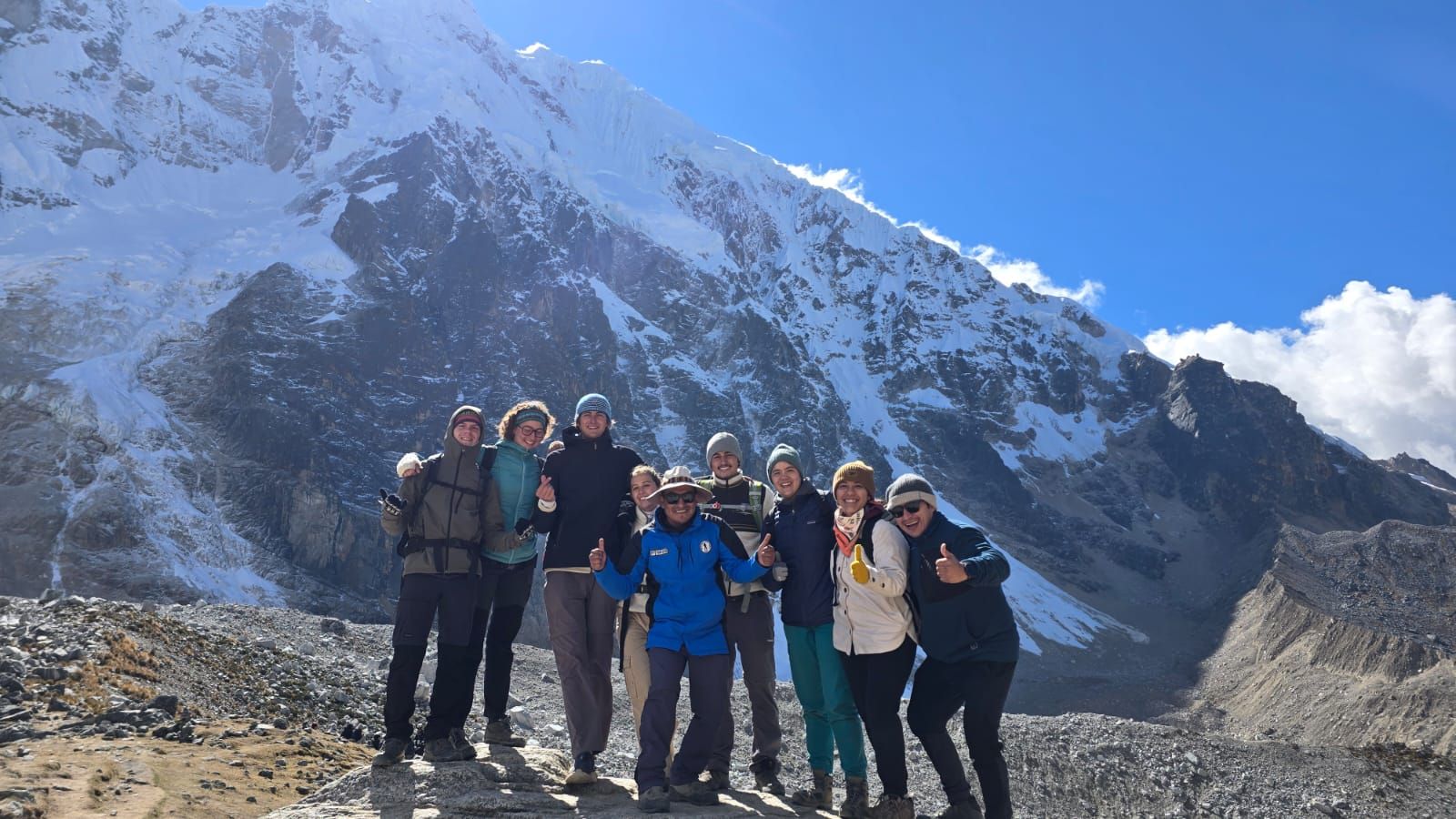
What the Salkantay Trek is: it is a multi-day hiking route in Cusco that crosses high-mountain landscapes, passes near the snow-capped Salkantay mountain, and usually ends with a visit to Machu Picchu. It is an alternative to the Inca Trail for those seeking a hike more focused on nature, with marked changes in altitude, weather, and vegetation. To complete it safely, prior physical preparation and good acclimatization before starting are needed.
The hike usually lasts between 4 and 5 days, although longer variations are available. Along the route, you move from cold, high-altitude areas to humid sections with dense vegetation before reaching Machu Picchu Pueblo. You do not need to be a professional athlete, but you should be willing to walk for several hours on uneven terrain and take on demanding days.
What is the Salkantay Trek?
The Salkantay Trek is a mountain hike located in the Cusco region. Its route takes place around the snow-capped Salkantay mountain, one of the highest and most visible peaks in the Vilcabamba range, and connects different ecosystems all the way to the Machu Picchu area.
It is considered one of the best-known routes to reach Machu Picchu without following the classic Inca Trail route. Rather than focusing mainly on archaeological sites, the Salkantay route places greater emphasis on mountain scenery, lagoons, valleys, rivers, and cloud forests. For this reason, it is often chosen by travelers who prioritize hiking and contact with diverse natural settings.
Where is the Salkantay Trek located?
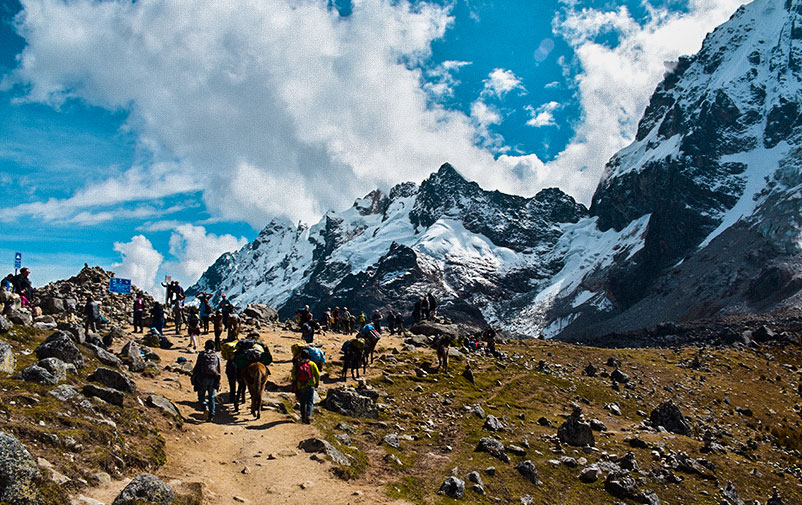
The Salkantay Trek is located in the Cusco region, within the Vilcabamba mountain range. This area lies northwest of the city of Cusco and features high mountains, deep ravines, and routes that gradually descend toward the Machu Picchu area.
The route usually begins near Mollepata or Soraypampa, depending on the program you choose. From there, the trail continues toward high-altitude areas, crosses the Salkantay Pass, and proceeds through lower areas until reaching Machu Picchu Pueblo, also known as Aguas Calientes.
Why it connects with Machu Picchu
Most Salkantay Trek itineraries connect with Machu Picchu because, after crossing the mountains, the route descends toward areas near Santa Teresa, Hidroeléctrica, or Machu Picchu Pueblo. The journey combines high-altitude trails with cloud forest sections before approaching the sanctuary.
Final access to Machu Picchu can vary depending on the itinerary booked. Some programs end in Machu Picchu Pueblo and include the ascent by bus or on foot to the citadel. Others include a section through Hidroeléctrica and continue walking alongside the railway. It is worth reviewing this detail before booking, as it affects the physical effort required on the final day.
What is the Salkantay Trek experience like?
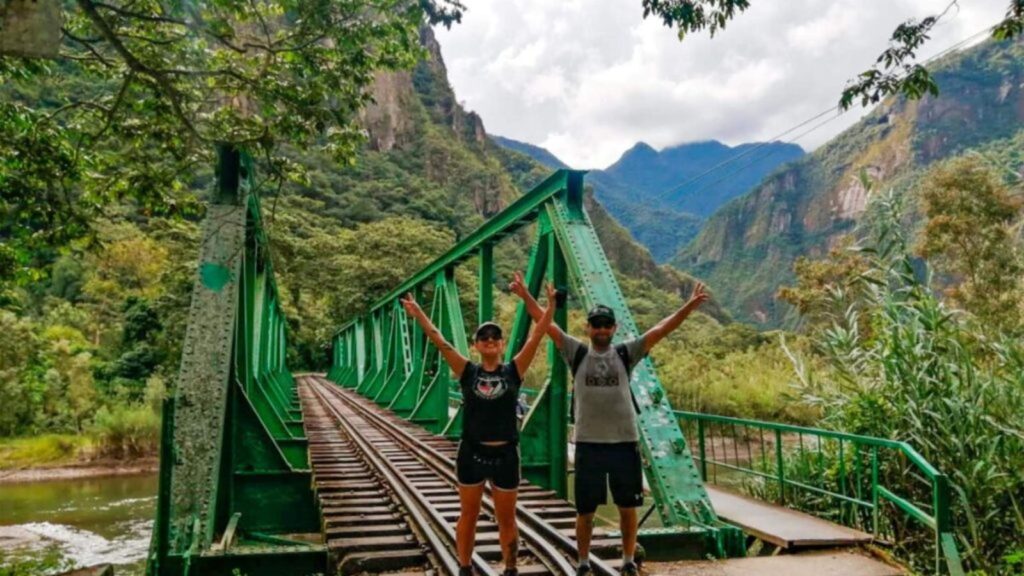
The Salkantay Trek experience changes every day. The first stages usually take place in open, cold, high-altitude areas, while the following days unfold in a more humid and warmer environment. This transition is one reason why the route has a different rhythm from other hikes in Cusco.
The route requires adapting to long hikes, elevation changes, and conditions that can shift within a few hours. One day may begin with clear skies and end with rain, wind, or fog. Planning helps, but it is also necessary to remain flexible in the face of the mountain’s natural changes.
Landscapes you will find along the route
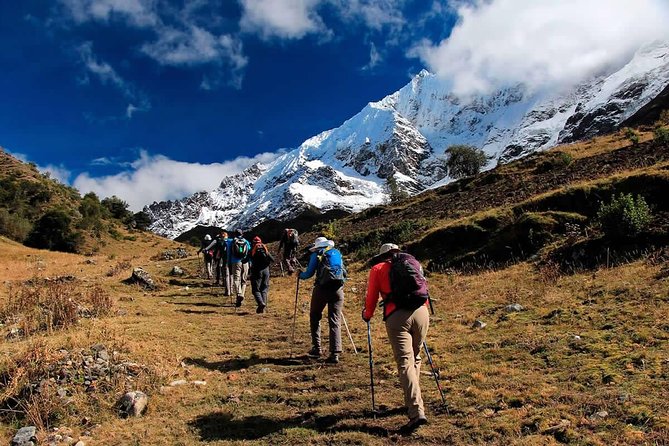
During the hike, you will see snow-capped peaks, high-altitude lagoons, valleys, streams, and vast mountains. In the first few days, the surroundings are usually defined by open terrain and views of the snow-capped Salkantay mountain, which dominates much of the route.
After the mountain pass, the landscape changes gradually. Cloud forests, more abundant vegetation, and milder temperatures appear. This variety of scenery is one of the main attractions of the Salkantay Trek, as it allows you to travel through several ecological zones in just a few days.
Altitude and route conditions
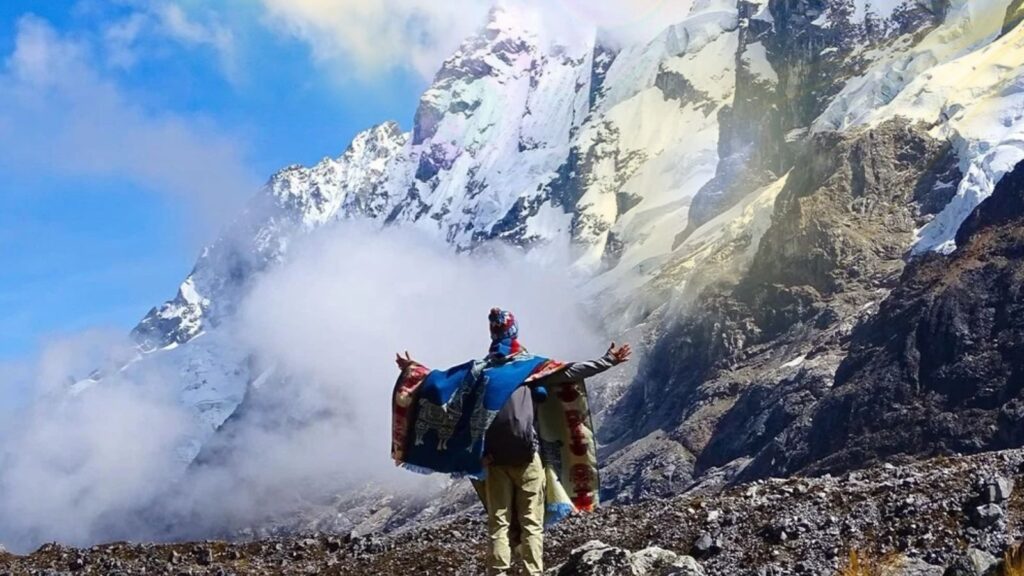
The Salkantay Trek reaches high-altitude areas above 4.000 m s. n. m. at its highest point. This can affect travelers arriving directly from lower elevations, even if they are in good physical condition. For that reason, spending a few days beforehand in Cusco or the Sacred Valley is usually a wise decision.
Trail conditions also vary depending on the stage. There are sections with intense cold, wind, rain, trails with loose stones, and long descents that can put considerable strain on knees and ankles. Wearing suitable footwear and moving at your own pace helps reduce discomfort along the route.
The Salkantay Pass
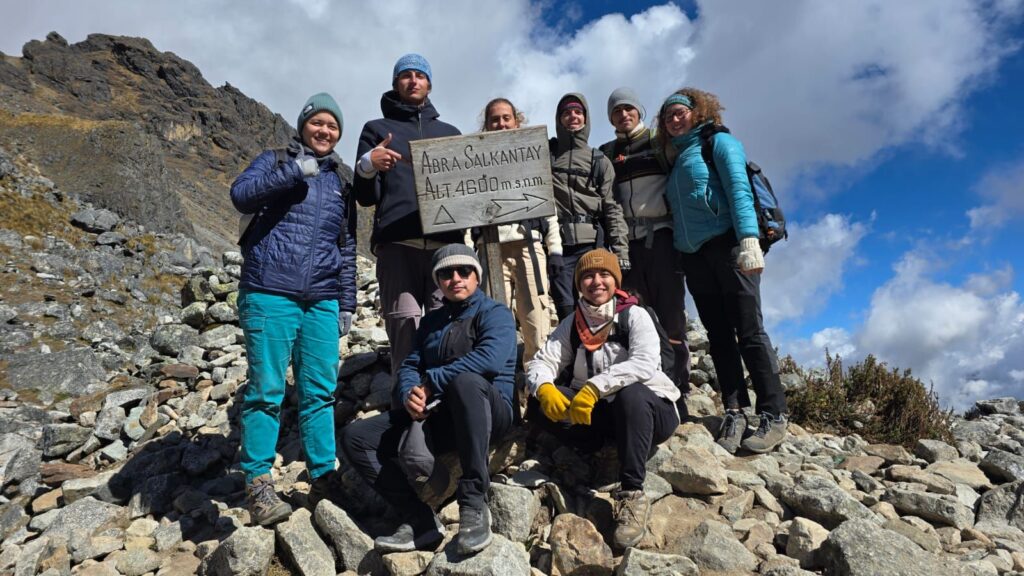
The Salkantay Pass is the highest point on the route and one of its most demanding stages. It is located at approximately 4.600 m s. n. m., although the exact altitude may vary depending on the route used by each operator.
Upon reaching this section, you get close views of the snow-capped Salkantay mountain and other peaks in the range. The effort is especially concentrated in the ascent and the effects of altitude, so it is best to walk slowly, stay hydrated, and inform the guide of any symptoms of discomfort.
Humantay Lake
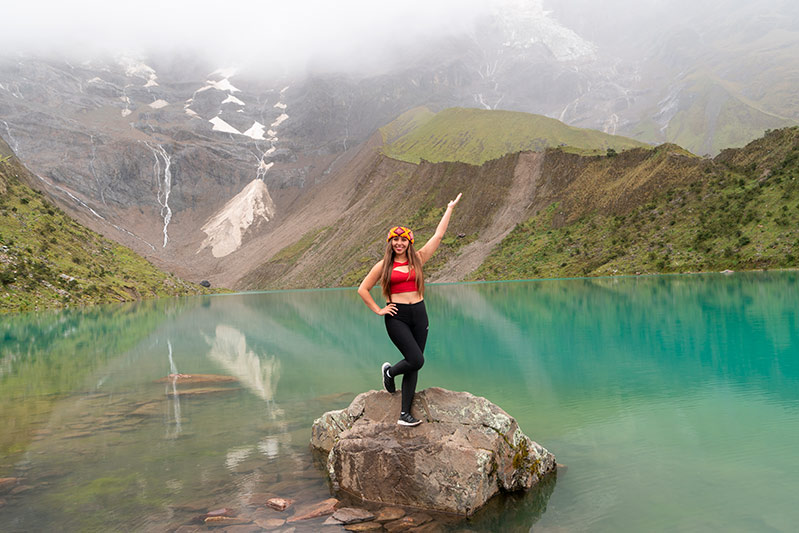
Some itineraries include a visit to Humantay Lake during the first stage. This lagoon is located near Soraypampa and is usually visited before continuing to the campsite or as part of the beginning of the program.
Its inclusion depends on the route, the time available, and the program booked. It may also depend on weather conditions and the group’s pace. If this place is a priority for your trip, make sure it is expressly listed in the itinerary before confirming your booking.
The cloud forest
After the high-mountain areas, the Salkantay Trek descends into a more humid, warmer environment with more vegetation. This part of the route usually features trails surrounded by trees, tropical plants, and local crops.
Fog and rain are common at certain times, even outside the months with the highest rainfall. The temperature change can be noticeable compared with the first few days, so wearing layers allows you to adapt without carrying unnecessary clothing during the hike.
Who is the Salkantay Trek recommended for?
The Salkantay Trek is recommended for travelers who enjoy hiking in the mountains, spending several days outdoors, and reaching Machu Picchu by a different route. It is a good option for those who accept a physically active itinerary and prefer varied natural scenery over a hike focused only on archaeological remains.
Athletic training is not necessary, but a suitable fitness level, willingness to walk for several hours, and the ability to adapt to altitude are essential. It is also a route that requires a practical attitude: weather, schedules, and the group’s pace can vary during the trip.
Required fitness level
Endurance is needed to tackle long days, sustained ascents, descents, and uneven trails. The stages can involve several hours of hiking, and the effort increases because of the altitude, especially during the first few days.
Before the trip, it is advisable to take regular walks, do cardiovascular exercise, and practice activities that strengthen your legs and core. You do not need to replicate the exact route conditions, but training several weeks in advance helps you arrive more confidently and reduces the risk of having to stop because of fatigue.
Is the Salkantay Trek suitable for beginners?
The Salkantay Trek can be completed by active beginners who prepare in advance and acclimatize properly. A person without trekking experience can finish it if they have reasonable fitness, follow the guide’s instructions, and maintain a steady pace.
However, it should not be considered an easy hike. One of the most common mistakes is underestimating the altitude after having completed short hikes at lower elevations. If this is your first multi-day route, a 5-day version usually offers a more manageable pace than shorter programs.
What should you know before starting?
Before planning the Salkantay Trek, it is worth reviewing the itinerary length, difficulty, travel season, and included services. These decisions directly influence the hiking pace, budget, and level of comfort during nights on the route.
It is also useful to understand that not all programs follow exactly the same route. Some include Humantay Lake, others add activities in Santa Teresa, and some change the final access to Machu Picchu. Reading the daily itinerary helps avoid incorrect expectations.
Approximate duration
There are routes lasting 4, 5, or more days. The 4-day versions usually concentrate more distance or more hours of hiking per day, while longer programs allow you to move at a calmer pace and add stops at different points along the route.
The 5-day version is one of the most popular alternatives because it distributes the stages more evenly. For many travelers, this pace makes it possible to tackle the high pass with less pressure, rest more adequately, and reach Machu Picchu with more time to spare.
Route difficulty
The Salkantay Trek difficulty is usually considered moderate to challenging. The rating depends on the traveler’s experience, acclimatization, weather, program length, and the pace set for each stage.
The most influential factors are altitude, daily distance, cumulative elevation gain, and weather conditions. Long descents should also be taken seriously, as they can be as demanding as ascents for those unaccustomed to walking on steep terrain.
Best time to do it
The months with a lower chance of rain usually offer better hiking conditions, as trails tend to be drier and there is a greater chance of visibility in high-altitude areas. In Cusco, this period generally coincides with the dry-season months.
Even so, weather conditions can change during that season as well. Nighttime cold, wind, and occasional rain are possible on any departure. During the rainy months, the landscape may have more moisture and vegetation, but trails can be more slippery and views may be covered by fog.
Basic preparation needed
Basic preparation includes acclimatizing before the hike, training in advance, and bringing suitable clothing for different temperatures. It is also advisable to wear the trekking boots or shoes you plan to bring beforehand, to avoid blisters and identify any fit issues.
Carefully review which services are included in the route: meals, lodging or camping, transportation, camping equipment, luggage transfer, entrance tickets, and final access to Machu Picchu. Not assuming that all operators offer the same services is an easy way to avoid unexpected expenses.
How to plan your first Salkantay Trek experience
To plan your first Salkantay Trek experience, the main decisions are choosing a duration that suits your fitness level, reserving days beforehand to acclimatize, and preparing functional mountain gear. You do not need to plan every detail on your own, but you should understand what the route you book will be like.
It is also helpful to determine whether you prioritize a more relaxed pace, campsites, basic accommodations, or additional services. The right option is not always the shortest or the cheapest one, but the one that allows you to complete the route safely and enjoy the journey without disproportionate strain.
Choosing the right duration
Shorter routes have a more intense pace because they concentrate distances and reduce the hours available for rest. They can be convenient for travelers with limited time and good endurance, but they require stronger preparation.
Five-day itineraries usually offer a more balanced experience. They make it possible to distribute the hikes better, have more room for weather changes, and move at a less hurried pace after crossing the highest areas. Your choice should be based on your fitness level, experience, and available time in Cusco.
Acclimatizing before the hike
It is advisable to spend a few days in Cusco or the Sacred Valley before starting the trek. Acclimatization helps the body gradually adapt to lower oxygen availability at altitude and can reduce discomfort associated with altitude sickness.
During those days, avoid overexerting your body with intense activities, stay hydrated, and sleep well. Arriving in Cusco the night before the Salkantay Trek begins is a common mistake, as the Salkantay Pass is at a much higher altitude than the city.
Preparing the necessary gear
Your gear should focus on comfort and protection against changing weather. Bring previously worn footwear, layered clothing, a waterproof garment, sun protection, and a daypack where you can carry water, snacks, and personal items.
It is also advisable to include basic items such as a warm hat, gloves, a reusable bottle, headlamp, personal medication, and blister-prevention products. If the tour offers luggage transfer, confirm the permitted weight and prepare a separate bag for what you will need during each day.
Recommended tour: 5-Day Salkantay Trek to Machu Picchu
The 5-Day Salkantay Trek to Machu Picchu tour is a suggested option for those looking for a balanced distribution of hiking days. It combines high mountains, ecosystem changes, and the final visit to Machu Picchu without concentrating all the effort into just a few days.
This type of itinerary is usually a good alternative for travelers doing the route for the first time or those who prefer more time to hike, rest, and adapt to changes in altitude and weather. You can review the 5-Day Salkantay Trek to Machu Picchu itinerary before deciding whether it suits your trip.
Why choose this route?
Five days allow the hikes to be distributed more effectively and prevent the most demanding stages from becoming too concentrated. This can make a difference for those who want to maintain a steadier pace, especially at the beginning of the route and after the mountain pass.
It also gives you more time to experience the route’s main landscapes, from Humantay Lake and snow-capped mountain views to humid vegetation areas. Although it remains a physically demanding hike, a five-day program usually provides a better balance between activity, rest, and travel.
Main places you will visit
The suggested route brings together several of the most representative points along the Salkantay route. Landscapes and stops may include high-altitude lagoons, the mountain pass, cloud forest areas, Llactapata, and the final visit to Machu Picchu.
The exact itinerary, order of visits, and available services may vary depending on the booked departure, weather, and group logistics. Therefore, it is advisable to confirm the daily program before booking, especially if you want to visit a specific place during the hike.
Humantay Lake
Humantay Lake is one of the natural attractions that may be visited during the first part of the route. It is located in a high-altitude area near Soraypampa and usually requires an additional hike from the starting point.
Its visit depends on the day’s conditions and the chosen program. In some cases, it is included as part of the first day, while in others it may not be included. Keep in mind that the ascent can feel more demanding because of the altitude.
Salkantay Pass
The Salkantay Pass is the highest point and one of the central days of the hike. Crossing it involves tackling the highest-elevation section, so it usually begins early to take advantage of better light and weather conditions.
From this section, you can see the snow-capped Salkantay mountain and nearby peaks, provided visibility allows it. After the pass, a gradual descent begins toward lower-altitude areas and milder temperatures.
Llactapata
Llactapata is an archaeological site located at a high point on the final route toward Machu Picchu. Depending on the itinerary, it may be a stop before continuing to Hidroeléctrica or Machu Picchu Pueblo.
This place offers views of the archaeological surroundings and, when conditions allow, views toward the Machu Picchu area. Fog or rain may limit visibility, so it should not be considered a guaranteed view.
Machu Picchu
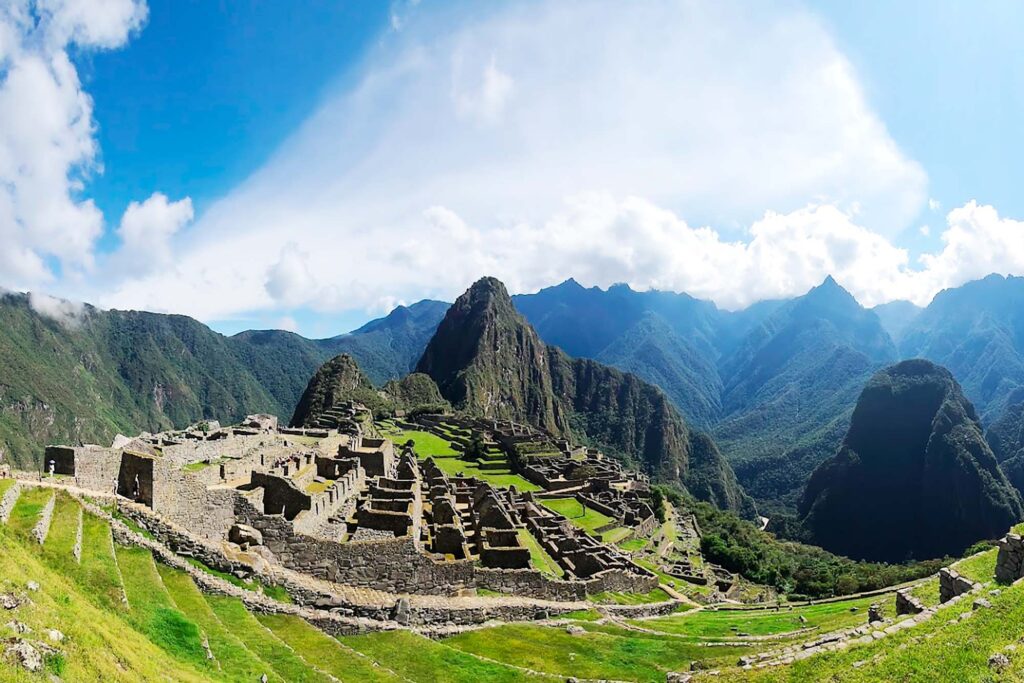
The visit to Machu Picchu marks the final stage of the route. After several days of hiking, entry to the citadel is made with a ticket reserved in advance and by following the circuit assigned by the site administration.
The circuit and entry time depend on the ticket available at the time of booking. If you want access to additional routes within the sanctuary, such as authorized mountain sections, review the applicable conditions, availability, and restrictions in advance.
What does the tour usually include?
An organized tour may include transportation from Cusco, a guide, meals along the route, lodging or campsites, transfer of part of your luggage, and certain entrance tickets. Some programs also provide camping equipment, although conditions and included items vary among operators.
Before booking, always review the exact list of included and excluded services. Confirm details such as a sleeping bag, trekking poles, final transportation, Machu Picchu entrance ticket, bus ticket, train if applicable, tips, and personal expenses. This step prevents you from assuming services that may have an additional cost.
View the complete itinerary
Check the 5-Day Salkantay Trek to Machu Picchu page to learn about the daily itinerary, inclusions, route conditions, availability, and booking options. Comparing these details with your acclimatization time and fitness level will help you make a more informed choice.
Before confirming, verify the departure date, planned accommodation type, final access to Machu Picchu, and documents required for the booking. These details may change depending on the season, ticket availability, and the organization of each group.
Is the Salkantay Trek worth it?
The Salkantay Trek is worth it for travelers interested in mountains, nature, and a different way of reaching Machu Picchu. The route allows you to experience very different landscapes in just a few days and offers an alternative to the Inca Trail for those who prefer a hike with a stronger focus on natural surroundings.
Its main advantage is the variety of the route, from high-altitude areas to cloud forests. Its main challenge lies in preparation: altitude, elevation changes, and weather require acclimatization, prior training, and choosing the right itinerary. If you consider these factors before traveling, you will have better conditions to enjoy the journey to Machu Picchu.