


The price you pay the agency covers the essentials of the Salkantay Trek, but not everything you will spend along the route. Between meals not included, equipment rental, community entrance fees, optional extras, and tips, the final cost can increase considerably. None of these expenses is a hidden trap: they are standard with all agencies and part of how the route works. The problem arises when you have not planned for them and run out of cash in a stretch with no ATMs. Here they are organized according to when you will pay them during the trip.
Why the tour price is not the final cost
Agencies publish a base price so you can compare similar offers. Anything that depends on your choices, such as whether to rent a sleeping bag, visit the hot springs, or hike an additional mountain in Machu Picchu, is left out so as not to make the package more expensive for travelers who do not need it.
Before booking, ask the agency for a written list of what is not included. The figures in this article are for reference and vary by season and operator.
Before leaving Cusco
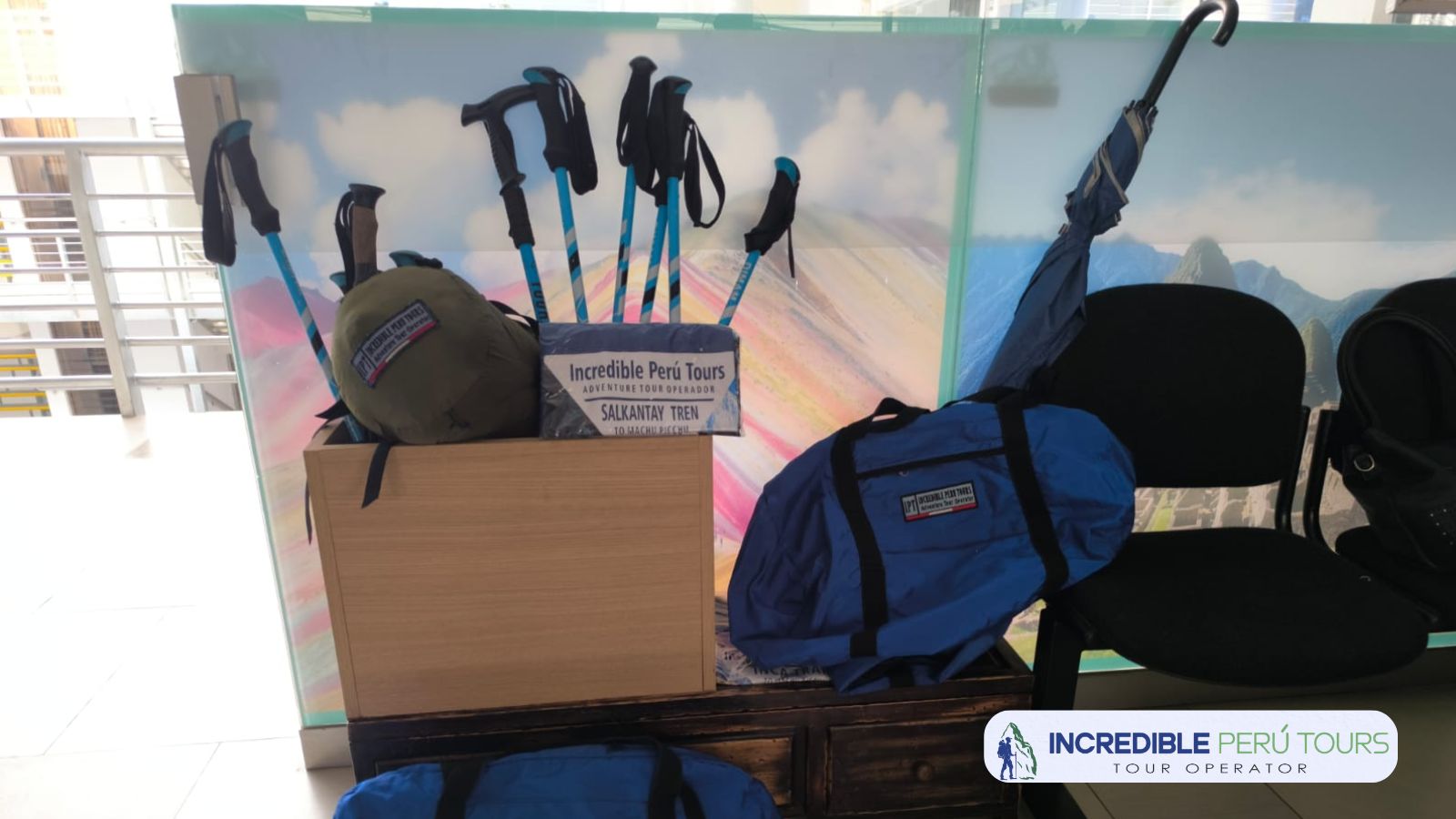
Equipment rental
A sleeping bag is the most common rental, since few people travel with one suitable for below-freezing temperatures. Trekking poles are the second most common. Both can be rented from the agency, which provides them at the pre-trek briefing or on departure day.
If you are missing warm clothing, Cusco has shops that rent jackets and ponchos for the trek, as well as others selling alpaca garments at good prices.
Single supplement
Tours are priced based on double occupancy. If you are traveling alone and want your own tent, dome, or room, the agency charges a supplement. Ask when booking, as it does not always appear in the published price.
Cash in soles
Withdraw all the cash you will need in Cusco. There are no ATMs along the route until Aguas Calientes, and campsites only accept cash. Ask for small bills and coins: in the mountains, almost no one has change for a 100-soles bill.
Day one: Mollepata and Humantay Lake
Breakfast on the way
Departure from Cusco is before dawn, and the first breakfast is usually in Mollepata at a local restaurant. With many agencies, this breakfast is not included and is paid for on-site.
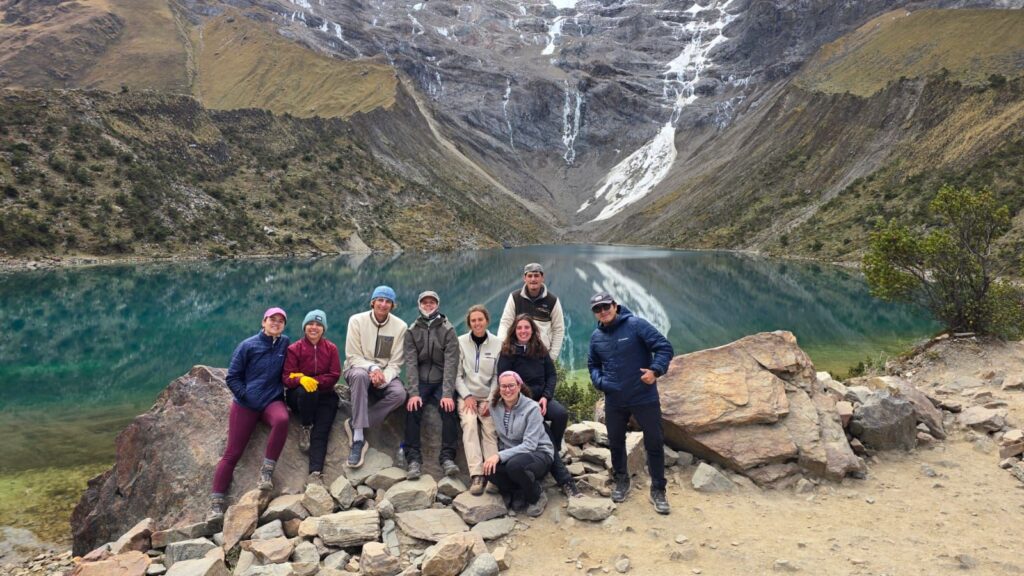
Humantay community fee
The hike to Humantay Lake crosses community land, and the local community charges an entrance fee. Some agencies include it and others do not. Confirm before leaving so you can bring the exact amount.
Expenses at the campsites
The campsites have small shops run by local families. Everything sold there arrives by mule, so prices rise with the altitude.
- Bottled water, drinks, and beer, if you do not want to rely only on the boiled water provided by the agency.
- Snacks and chocolates for the trail.
- Hot showers, which are charged separately at some campsites.
- Phone or power bank charging at locations with electricity.
Bringing your own snacks from Cusco and a fully charged power bank will save you a good portion of this expense.
Crossing the pass: support horse
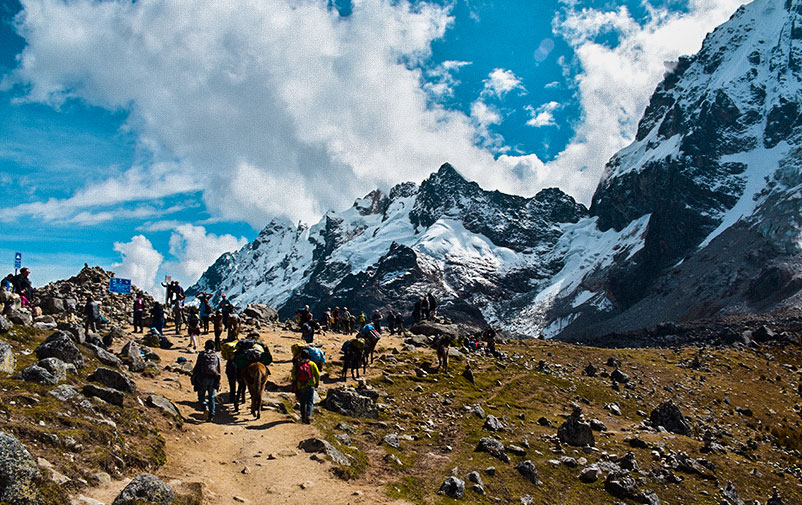
On the second day, you climb the Salkantay Pass, above 4 600 m s. n. m. If altitude affects you or you prefer not to hike uphill, local muleteers offer horses for the steepest section.
You can book one in advance through the agency or hire it on the spot if available. Hiring one during the trek is usually more expensive, and there may not always be free animals in high season. If you are unsure about your pace, it is worth allowing for this expense in your budget even if you do not end up using it.
In the jungle: hot springs and zip-lining
Cocalmayo hot springs
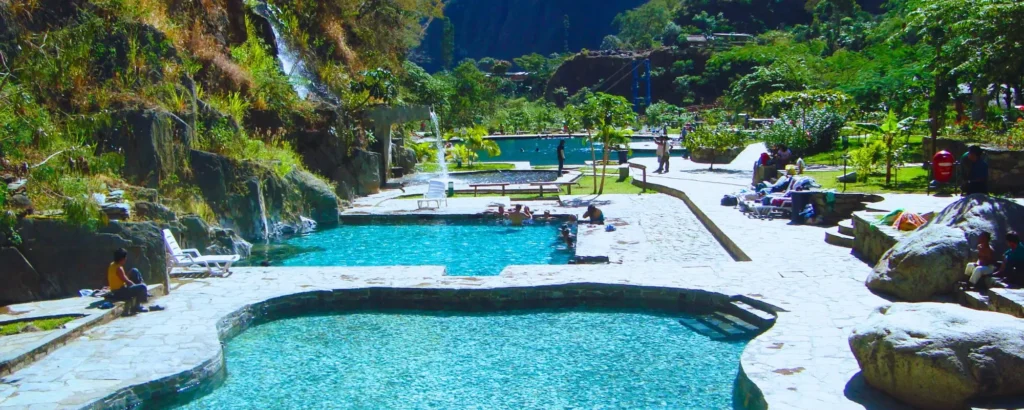
Near Santa Teresa are the Cocalmayo hot springs, a common stop on the route after two or three days of hiking. Transportation to the hot springs and admission are not always included.
Zip-lining in Santa Teresa
This is an optional activity offered by several agencies on the jungle section. It is paid separately, and it is best to let them know in advance if you are interested, as it needs to be coordinated with the group’s schedule.
Aguas Calientes and Machu Picchu
Bus up and down to the sanctuary
The bus between Aguas Calientes and Machu Picchu costs around 12 dollars each way for foreign visitors. Some agencies include only the return trip, others include both directions, and others include neither. If it is not included, the alternative is to walk up, which takes between one hour and an hour and a half of stairs.
Huayna Picchu or Machu Picchu Mountain
Hiking either mountain requires a ticket separate from the basic entrance ticket, with a higher price and limited availability. If you want to do it, request it when booking the trek, as it cannot be added at the gate.
Lunch on the last day
After the visit, most groups have lunch in Aguas Calientes before taking the train. This meal is almost never included, and prices in town are higher than in Cusco.
Train category upgrade
The included train is usually the basic service. If you want one with panoramic windows or a different schedule, the agency can change it by charging you the difference, subject to availability.
Tips for the support team
They are not mandatory, but they are customary and form part of the income of those who work along the route. They are given at the end of the trek, usually on the final night at the campsite or before reaching Aguas Calientes.
It is common to collect an amount from the group and divide it among the guide, cook, assistants, and muleteers. Ask the agency what amount is customary for your group size and bring it in soles.
Summary of additional expenses
| Expense | When | Estimated amount | Required |
| Sleeping bag | Before departure | 15 to 25 USD | No, if you bring your own |
| Trekking poles | Before departure | 10 to 15 USD | No |
| Breakfast in Mollepata | Day 1 | 15 to 25 soles | Yes, if not included |
| Humantay community fee | Day 1 | Check current amount | Yes, if not included |
| Snacks, drinks, and shower | Campsites | 30 to 80 soles in total | No |
| Horse to the pass | Day 2 | Varies by section | No |
| Cocalmayo hot springs | Jungle | Admission and transportation | No |
| Zip-lining | Jungle | 30 to 50 USD | No |
| Bus to Machu Picchu | Last day | Around 12 USD each way | Yes, if not included and you do not walk up |
| Lunch in Aguas Calientes | Last day | 40 to 70 soles | Yes, if not included |
| Tips | End of the trek | Ask the agency | No, but customary |
How much cash to bring on the trek
For expenses along the route, excluding rentals paid in advance and major optional activities, budget between 250 and 400 soles per person, plus tips. If you plan to hire a horse, go zip-lining, or visit the hot springs, add those separately.
Split your cash between two different places in your backpack, and always keep some in your pocket for small purchases. Keep a card for Aguas Calientes, where there are ATMs and some businesses accept card payments.
Frequently asked questions
Are there ATMs on the Salkantay route?
Not at the campsites. The last reliable place to withdraw money is Cusco, and the next is Aguas Calientes, at the end of the trek. Leave with all the cash you need for the route.
Can I pay with dollars at the campsites?
Rarely. Shops along the route operate in soles and, if they accept dollars, they apply an unfavorable exchange rate. Exchange your money in Cusco.
Is it worth renting a sleeping bag or bringing my own?
If you already have one suitable for below-freezing temperatures and it does not add too much weight to your luggage, bring it. Otherwise, renting one is cheaper than buying one, and the agency provides one checked for the conditions of the route.
How much should I tip the guide?
It depends on the group size and the number of trekking days. The most practical option is to ask the agency about the usual amount and collect it with the whole group to give together, divided among the guide, cook, and muleteers.
Which additional expense should I avoid cutting?
A suitable sleeping bag for the first night and a support horse if you are unsure about your pace at altitude. Both relate to your rest and safety on the most demanding section of the route.