


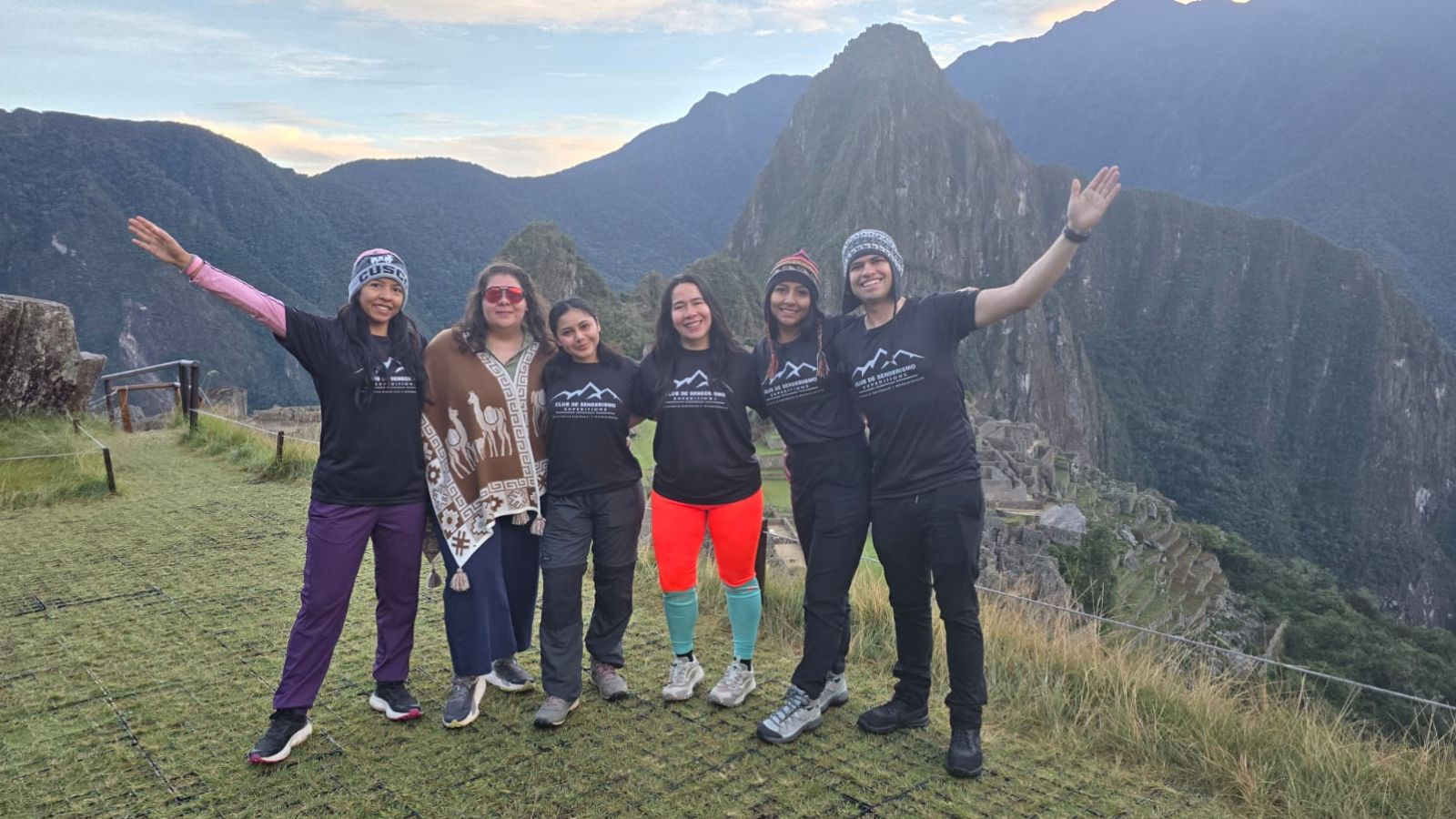
If you are planning to reach Machu Picchu on foot, it is natural to wonder whether the Salkantay Trek requires permits like the Inca Trail. The trek itself has no visitor limit: you do not need to obtain any permit, and departures run every day of the year. What does have limited availability is entry to Machu Picchu, which you visit on the final day of the route.
This difference is what confuses travelers the most. Many choose Salkantay because the Inca Trail no longer has available dates and assume they can book at any time. That is partly true, but some services within the trip do sell out, especially between June and October: tickets to the citadel, return train seats from Aguas Calientes, more comfortable accommodation along the route, and spaces in each group, since every agency works with a maximum number of travelers per departure.
Does Machu Picchu have limited entry availability?
Yes. Machu Picchu has a daily capacity controlled by the Ministry of Culture, and every ticket has a fixed date, circuit, and entry time. That is why it is the first service you should secure when booking your Salkantay Trek.
During high season, the citadel receives up to 5600 visitors per day on specific dates: January 1, certain days in April, from June 19 to November 2, and December 30 and 31; the rest of the year, capacity is 4500. This limit is divided among circuits and staggered entry times, so actual availability depends on the route and time, not just the date.
The months with the highest demand for the Salkantay Trek coincide with peak visitor numbers at the citadel. Tickets can sell out in days or weeks, especially for circuit 2, which is the most requested.
What if there are no tickets online? There is an in-person sale in Machu Picchu Pueblo, but with restrictions: around 1000 tickets are sold per day, valid only for the following day, and purchase must be made in person with an identity document. In practice, this means queuing in Aguas Calientes without knowing which circuit you will get. It is not a reliable option if your itinerary is already set.
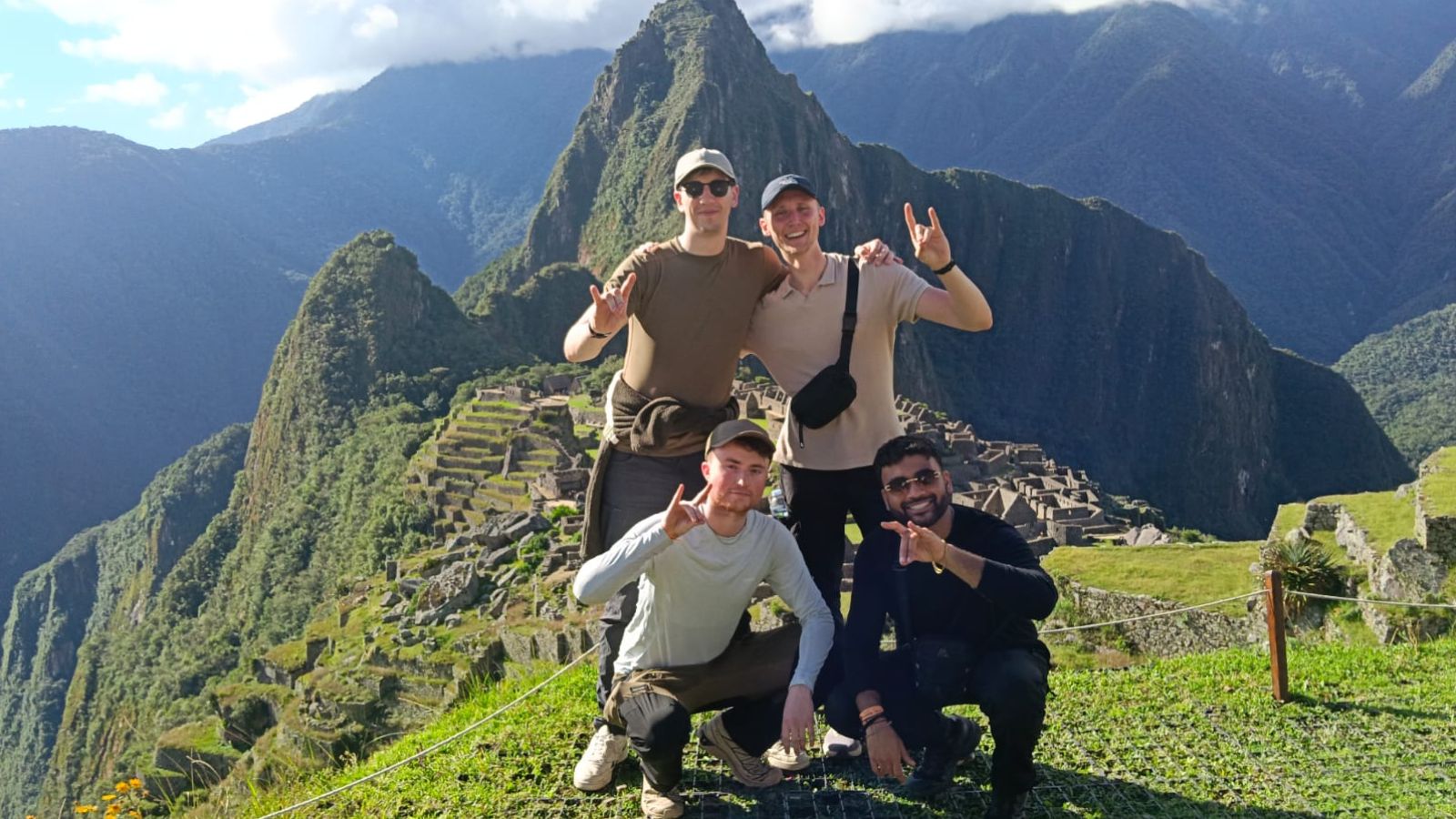
How do Machu Picchu tickets and circuits work for the Salkantay Trek?
Inside Machu Picchu, you cannot freely explore the entire site. For 2026, circuits 1, 2, and 3 remain in place, each with different routes and viewpoints:
- Circuit 1 (panoramic): covers the upper section, with sweeping views of the citadel. It includes routes combined with Machu Picchu Mountain, the Sun Gate, and the Inca Bridge.
- Circuit 2 (classic): the most complete and most requested option, as it combines the postcard view with the main structures in the urban area.
- Circuit 3 (royalty): focuses on the lower section and the main structures. It includes routes combined with Huayna Picchu and other mountains.
During low season (from November 3 to June 18), routes 1-C, 1-D, 3-C, and 3-D do not operate.
What happens on the Salkantay Trek? The hike ends in Aguas Calientes, and you visit the citadel on the final day, on circuit 2 or 3 depending on availability. Entry is usually in the early morning, traveling up by bus from Aguas Calientes or on foot.
Key details about your ticket:
- Official purchases are made on the Ministry of Culture’s Tu Boleto platform (tuboleto.cultura.pe).
- The ticket is personal. Your details must match those on the ticket exactly, which you must present together with your physical ID document.
- Entry times are strict: there is a 30-minute grace period in low season and 45 in high season; after that, entry is not allowed except in proven cases of force majeure.
If you want to hike Huayna Picchu or Machu Picchu Mountain after the trek, you need a specific ticket with fewer spaces available, so book it further in advance.
How far in advance should you book the Salkantay Trek to Machu Picchu?
Since the trek has no visitor limit, the advance booking time is determined by your Machu Picchu ticket. As a reference:
- High season (June to October and holidays): book 2 to 3 months in advance. This is the period with the highest demand for tickets, trains, and accommodation along the route.
- Regular season (November to May): 3 to 6 weeks are usually enough, although Easter, year-end holidays, and long weekends fill up earlier.
- Last minute: you may find a trek departure with just a few days’ notice, but not always the Machu Picchu circuit or entry time you prefer.
If you are looking for a specific accommodation option along the route or want to add Huayna Picchu, book even further in advance.
Is it possible to do the Salkantay Trek without an agency?
Yes, it is possible. The route does not require permits, and anyone can hike it independently. However, doing it without an agency means handling all the logistics yourself:
- Transportation from Cusco to the start of the route, in Mollepata or Challacancha.
- Accommodation or camping each night, carrying your own tent, sleeping bag, and cooking equipment if you do not book campsites.
- Food and water for several days on sections without shops.
- Community fees at Humantay Lake and other points.
- Machu Picchu ticket, train, and bus, coordinating schedules with your arrival in Aguas Calientes.
- Route navigation, especially at Salkantay Pass, at 4630 m above sea level, where the weather changes quickly and fog can occur.
- Safety: there is no cell phone signal on several sections, and the nearest medical assistance is hours away.
Doing it independently makes sense if you already have experience with multi-day high-altitude trekking, are traveling with someone, and have your own equipment. If it is your first long hike or you are traveling alone, the risk increases considerably.
Why hire an agency for the Salkantay Trek?
An agency handles the logistics that make the route complex and allows you to focus solely on hiking:
- Guaranteed Machu Picchu ticket: the agency books your entry according to your arrival date, so the entry time fits the end of the trek.
- Support team: muleteers and horses carry the main weight, and you hike only with your daypack.
- Prepared meals: a cook takes care of all three meals, which is essential for restoring energy at high altitude.
- Accommodation arranged: overnight stays along the route and lodging in Aguas Calientes are already booked.
- Coordinated transportation: transfers from Cusco, return train, and bus to the citadel.
- Response to unexpected situations: first-aid kit, oxygen, and an evacuation plan if someone cannot continue.
When comparing options, do not look only at the price. Ask for details of what each service includes and compare like for like.
The importance of traveling with a specialized guide on the Salkantay Trek
On a route that exceeds 4600 m above sea level and crosses several climate zones, the guide plays a role that goes beyond explaining the landscape.
Your safety. A guide experienced in Salkantay sets the group’s pace, detects early when someone is unwell, and knows when it is best to stop or descend.
Decisions on the route. They know the best times to cross the pass, the alternatives if the weather changes, and the points where you can leave the trail in an emergency.
Context for the journey. The Salkantay snow-capped mountain is sacred to the local communities. A local guide explains its meaning, the changes in vegetation between the puna grasslands and the cloud forest, and the lives of the families who live along the route.
Your Machu Picchu visit. On the final day, the guide accompanies you through the citadel, explains every area of your circuit, and coordinates entry, bus, and train schedules.
When choosing an agency, ask whether the guides are certified tourism professionals, how many travelers each guide looks after, and whether they have first-aid training.
Recommendations before booking a Salkantay Trek to Machu Picchu
Before confirming your booking, review these points:
- Confirm your Machu Picchu ticket: ask whether it is included, which circuit it covers, and what time your entry is.
- Check the return train: verify the departure time from Aguas Calientes and whether the final transfer to Cusco is included.
- Ask about group size: small groups allow for a more comfortable pace and more attention from the guide.
- Read the change and cancellation policies: the Machu Picchu ticket is issued in your name and cannot always be changed to another date.
- Request in writing what is not included: community entry fees, equipment rental, or lunch on the final day often vary between agencies.
- Check that the agency is registered: a formal company must have a valid tourism license and verifiable contact details.
- Submit your details correctly: your name and passport number exactly as they appear on your document, because ticket corrections are not easy.
Frequently asked questions
Does the Salkantay Trek require a permit like the Inca Trail?
No. Salkantay does not require government permits and has no daily limit on hikers. Only entry to Machu Picchu has limited availability.
Which Machu Picchu circuit will I take after Salkantay?
Usually circuit 2 or 3, depending on ticket availability at the time of booking.
Can I buy a Machu Picchu ticket in Aguas Calientes?
Yes, there is an in-person sale for the following day, but spaces are limited and you cannot be sure which circuit you will get. Booking in advance is recommended.
How far in advance should I book during high season?
Between 2 and 3 months, especially if you are traveling between June and October.
Is it dangerous to do Salkantay without an agency?
It is not prohibited, but it is riskier if you do not have high-altitude experience. You must carry your equipment, navigate Salkantay Pass, and deal with any emergency without nearby support.