


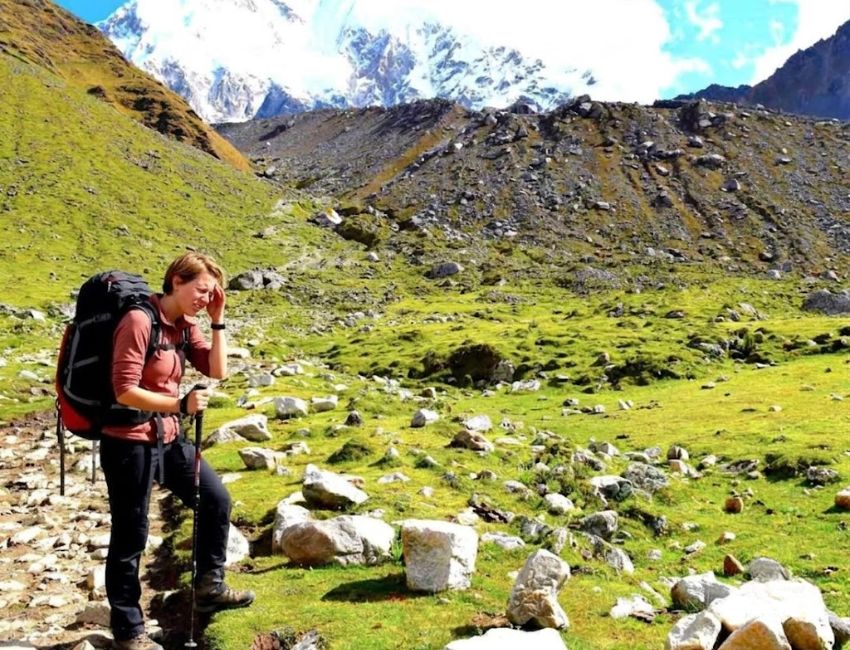
Salkantay is a demanding route, and many of the difficult moments hikers experience do not come from the trail itself, but from decisions made before setting out. The good news is that almost all of them can be avoided with a little planning.
Knowing the most common mistakes related to preparation, altitude, luggage, and gear will help you arrive on day one with everything sorted out and enjoy the hike to Machu Picchu.
1. Leaving your Salkantay Trek booking until the last minute
Planning your trip with very little notice can limit the available options, especially if your itinerary ends with a visit to Machu Picchu.
The mistake is waiting until you arrive in Cusco to arrange all the services. Although you may find alternatives for doing the hike, Machu Picchu ticket availability depends on the date, circuit, and time slot selected.
It is best to arrange your Salkantay Trek in advance and confirm which services, tickets, and transfers are included before your trip. This is especially important if you plan to travel during the busiest months.
2. Breaking in new boots during the Salkantay Trek
Buying new boots just before your trip and wearing them for the first time on day one is a recipe for blisters.
Your footwear needs to be broken in before the route. Wear it on short hikes several weeks beforehand so it can adapt to your feet. In addition, proper trekking socks and a dry spare pair can make a big difference on long days.
You do not need new boots: you need comfortable boots that are suitable for the terrain and that you have already worn before.
3. Arriving in Cusco and starting the trek the next day
This is probably one of the mistakes that can affect your first days on the hike the most.
Cusco is about 3,400 m above sea level, and during the Salkantay Trek you will reach even higher altitudes. If you arrive from a city close to sea level and start hiking immediately, your body may not have had enough time to adapt.
It is best to spend at least two or three days in Cusco or the Sacred Valley before starting, taking easy walks, staying hydrated, and avoiding intense physical exertion.
You should also pay attention to altitude sickness symptoms. Headaches, nausea, dizziness, or loss of appetite should not simply be mistaken for fatigue. If they appear during the route, slow down and let your guide know.
Acclimatization days are not wasted time: they are part of your preparation for the Salkantay Trek.
4. Carrying a backpack that is too heavy
Carrying too much weight is a common mistake. Every extra kilo is much more noticeable on uphill sections, especially when hiking at high altitude.
If your service includes a packhorse or muleteer, use it to carry items you do not need while hiking.
In your daypack, carry only what you need for the day: water, snacks, a warm layer, rain gear, sunscreen, personal documents, and items you need to keep within easy reach.
Extra clothing and items you bring only “just in case” can end up becoming unnecessary weight for several hours of hiking.
5. Not bringing suitable hiking poles
Trekking poles can be especially useful on the ascents and descents of Salkantay, as they help maintain balance and reduce some of the impact on your legs.
If you decide to use them, make sure they are in good condition and bring rubber tip protectors when appropriate. In addition to providing support on certain surfaces, they help prevent unnecessary wear on the terrain.
Keep in mind that the rules for using them during the hike are not necessarily the same as those applied inside Machu Picchu. Before entering the archaeological site, follow your guide’s instructions and current regulations.
6. Relying on disposable bottles and neglecting hydration
Drinking too little water speeds up fatigue and can make the effects of altitude feel more intense.
Instead of relying only on disposable bottles, bring a reusable bottle or hydration system that you can refill along the route when the service allows it.
It is also advisable to keep some energy snacks handy. Nuts, bars, chocolate, or other easy-to-carry foods can give you extra energy on uphill sections.
Running out of water halfway through the day is an easy problem to prevent before you start hiking.
7. Not bringing enough cash in soles
At different points along the route, you will not always find ATMs or be able to rely on card payments.
Without cash, you will have less flexibility to cover small expenses not included in your package, such as drinks, restrooms, showers, snacks, or tips for the support team.
Bring soles in small-denomination bills, such as S/10, S/20 and S/50, as well as some coins. Breaking large bills during the hike can be difficult.
8. Underestimating the cold and changing weather
Salkantay crosses different climate zones in just a few days, and even within a single day.
You may start hiking in low temperatures in a mountain area and finish hours later in a much warmer, more humid environment. The mistake is preparing for only one of these conditions.
The best option is to dress in layers: a base layer, a warm mid-layer, and an outer waterproof jacket. This way, you can add or remove clothing depending on the weather.
You should not neglect sun protection either. At high altitude, use sunscreen, a cap or hat, sunglasses, and lip balm even when the sky is partly cloudy.
For the coldest nights, bring thermal clothing and make sure you have a sleeping bag suitable for the conditions of your route.
9. Not protecting your phone and batteries from the cold
During a multi-day trek, your phone, camera, and portable batteries can become important tools, especially if you want to take photos throughout the route.
The problem is that low temperatures can temporarily reduce battery performance.
On cold nights, avoid leaving them exposed inside your backpack or near the tent walls. You can store them in a dry bag, wrap them in clothing, or keep them protected inside your sleeping gear.
It is also a good idea to bring a fully charged power bank, as you should not assume that electricity will be available at every point along the route.
10. Choosing a Salkantay tour based only on price
Comparing prices is normal, but choosing a tour simply because it is the cheapest option can make you overlook important aspects of the service.
Before booking, check what the program actually includes: transportation, meals, accommodation, camping equipment, luggage handling, tickets, guides, and safety protocols.
Also check the operator’s experience and read reviews from other travelers.
Two tours that appear to follow exactly the same route can offer very different services. Therefore, compare the overall experience and not just the final price.
Quick table: mistakes and how to avoid them
| Common mistake | How to avoid it |
|---|---|
| Booking at the last minute | Plan the trek and your visit to Machu Picchu in advance |
| Breaking in new boots | Wear your footwear for several weeks before the trip |
| Arriving without acclimatizing | Spend 2 or 3 days in Cusco or the Sacred Valley |
| Carrying too much weight | Hike only with what you need for the day |
| Bringing unsuitable poles | Use suitable poles and tip protectors when appropriate |
| Neglecting hydration | Bring a reusable bottle and stay hydrated |
| Traveling without cash | Bring soles in small bills and some coins |
| Preparing for only one climate | Wear layered clothing and sun protection |
| Neglecting your batteries | Protect them from the cold and bring a charged power bank |
| Choosing based only on price | Compare services, safety, and the operator’s experience |
Frequently asked questions
How many acclimatization days do I need before Salkantay?
It is best to spend at least two or three days in Cusco or the Sacred Valley before starting, especially if you arrive from a city close to sea level.
What should I do if I get altitude sickness during the hike?
Slow down and notify your guide as soon as you notice symptoms such as headaches, nausea, or dizziness. Do not keep increasing your effort assuming they will disappear on their own.
How much weight should I carry in my daypack?
Carry only what you need during the hike: water, snacks, weather protection, and your essential personal items. If the service includes luggage transport, use that option for everything else.
Do I need new boots for the trek?
No. What matters is that they are comfortable, suitable for trekking, and that you have worn them before. Wearing new footwear on the first day considerably increases the risk of blisters.
Can I pay by card along the route?
You should not rely on it. Bring cash in soles and, preferably, small-denomination bills for small expenses during the route