


Both routes end at Machu Picchu, both are multi-day hikes, and both offer unforgettable mountain scenery. But choosing between Salkantay and the Inca Trail is not about which one is “better,” but which one fits your travel style: your dates, your budget, how far in advance you are planning, and what you hope to see along the way. In this guide, we compare them side by side and help you decide based on your traveler profile, so you can book with all the information you need.
The difference that changes everything: permits
Before comparing scenery or difficulty, there is one factor that often determines the decision on its own. The Inca Trail operates with limited, mandatory permits. Only 500 spaces are issued per day, and that number includes guides, cooks, and porters, so in practice there are around 200 spots available for travelers. These permits can only be purchased through an authorized agency, are linked to your passport number, and cannot be transferred or rescheduled.
As a result, dry-season dates sell out six to eight months in advance, and sometimes even earlier. In addition, the Inca Trail closes for the entire month of February for maintenance and conservation, with no exceptions. Salkantay, on the other hand, does not rely on federally limited permits: you can book it just a few weeks ahead and it is available year-round, including February. If your trip is coming up soon or your dates are fixed, this factor alone often tips the balance.
Side-by-side comparison
| Aspect | Salkantay Trek | Classic Inca Trail |
|---|---|---|
| Permits | No limited permit required | Mandatory, 500 per day (around 200 for travelers) |
| Booking lead time | Weeks; even last minute | 6 to 8 months during the dry season |
| Availability in February | Open year-round | Closed all February |
| Typical duration | 4 or 5 days | 4 days / 3 nights |
| Maximum altitude | Salkantay Pass, over 4,600 m a.s.l. | Warmiwañusca, around 4,215 m a.s.l. |
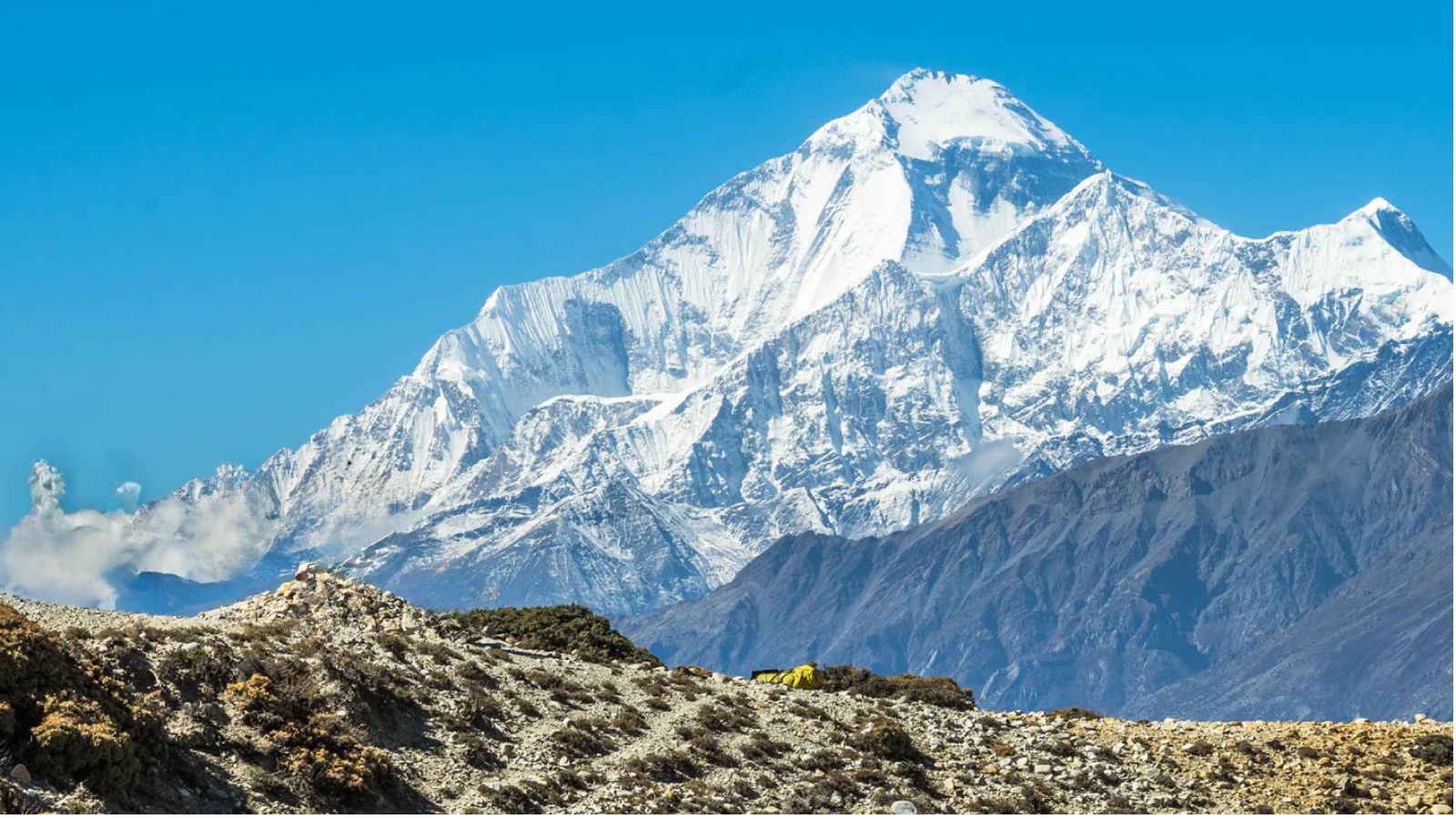
| Scenery | Snow-capped peaks, high-altitude lagoons, and cloud forest | Inca archaeological sites along the route |
| Ruins along the route | Few until reaching Machu Picchu | Several, with arrival through the Sun Gate |
| Crowds on the trail | More space and less congestion | Fixed capacity, but highly sought after |
| Accommodation options | Tents, luxury domes, and cabins | Tent camping |
| Price | Wide range, from budget to premium | Usually higher due to permits |
Which one suits you based on your travel style
If you are traveling soon or have fixed dates
Salkantay is your clear choice. You do not depend on a spot that may have sold out months ago, and you can finalize your booking with little advance notice. If you have already purchased flights for a specific date and the Inca Trail is full, Salkantay still takes you to Machu Picchu without forcing you to change your itinerary.
If you are traveling in February
There is no debate here: the Inca Trail is closed for the entire month. Salkantay continues operating and is the natural alternative for hiking to Machu Picchu at that time of year.
If your priority is Inca ruins along the way
The Inca Trail has a specific advantage: you visit archaeological sites throughout the route and arrive at Machu Picchu through the Sun Gate. If you are looking for that step-by-step historical experience, this is the trek designed for it. Salkantay focuses more on natural scenery than on ruins until the final stretch.
If you are looking for varied mountain scenery
Salkantay wins in diversity of landscapes. In just a few days, you go from snow-capped peaks and high-altitude lagoons to the humid cloud forest, crossing several climate zones. It is a route that constantly changes its character.
If you want comfort or budget flexibility
Salkantay offers a wider range: you can do it as a budget tent trek or upgrade to luxury domes with private bathrooms and hot water. This variety lets you tailor the trip to your budget and comfort level, something the Inca Trail, tied to a camping format, does not offer to the same extent.
If you are concerned about altitude
The Inca Trail has a slightly lower highest point. Salkantay climbs above 4,600 m a.s.l., so in both cases prior acclimatization in Cusco is essential, but if altitude is your main concern, it is worth considering when planning your rest days.
The conclusion
Both routes are worthwhile, and neither disappoints. But for most travelers, Salkantay is the more practical and flexible option: it does not require booking half a year in advance, it is available year-round including February, it offers everything from budget trips to glamping in domes, and it combines mountain and jungle scenery in one trek. If your dates are approaching, if you want the freedom to choose your comfort level, or if the Inca Trail is already sold out for your season, Salkantay takes you to Machu Picchu without complications and with an equally memorable experience. Booking in advance ensures the best dates and your preferred type of accommodation.
Frequently asked questions
What is the main difference between Salkantay and the Inca Trail?
The Inca Trail requires limited permits that sell out months in advance and closes in February, while Salkantay is available year-round and can be booked with little notice. The Inca Trail stands out for its ruins along the route; Salkantay for its variety of landscapes.
Which one is more difficult?
Salkantay reaches a higher altitude, above 4,600 m a.s.l., compared with around 4,215 m a.s.l. on the Inca Trail. Both require prior acclimatization in Cusco, but Salkantay’s highest point may feel more demanding.
Can I hike the Inca Trail in February?
No. The Inca Trail closes for all of February for maintenance. At that time of year, Salkantay is the alternative for hiking to Machu Picchu.
How far in advance should I book each one?
The Inca Trail should be booked six to eight months in advance during the dry season. Salkantay offers much more flexibility and can be booked weeks ahead.
Which one arrives at Machu Picchu through the Sun Gate?
The Classic Inca Trail arrives through the Sun Gate. Salkantay reaches Machu Picchu via Aguas Calientes, after the hiking route ends.