


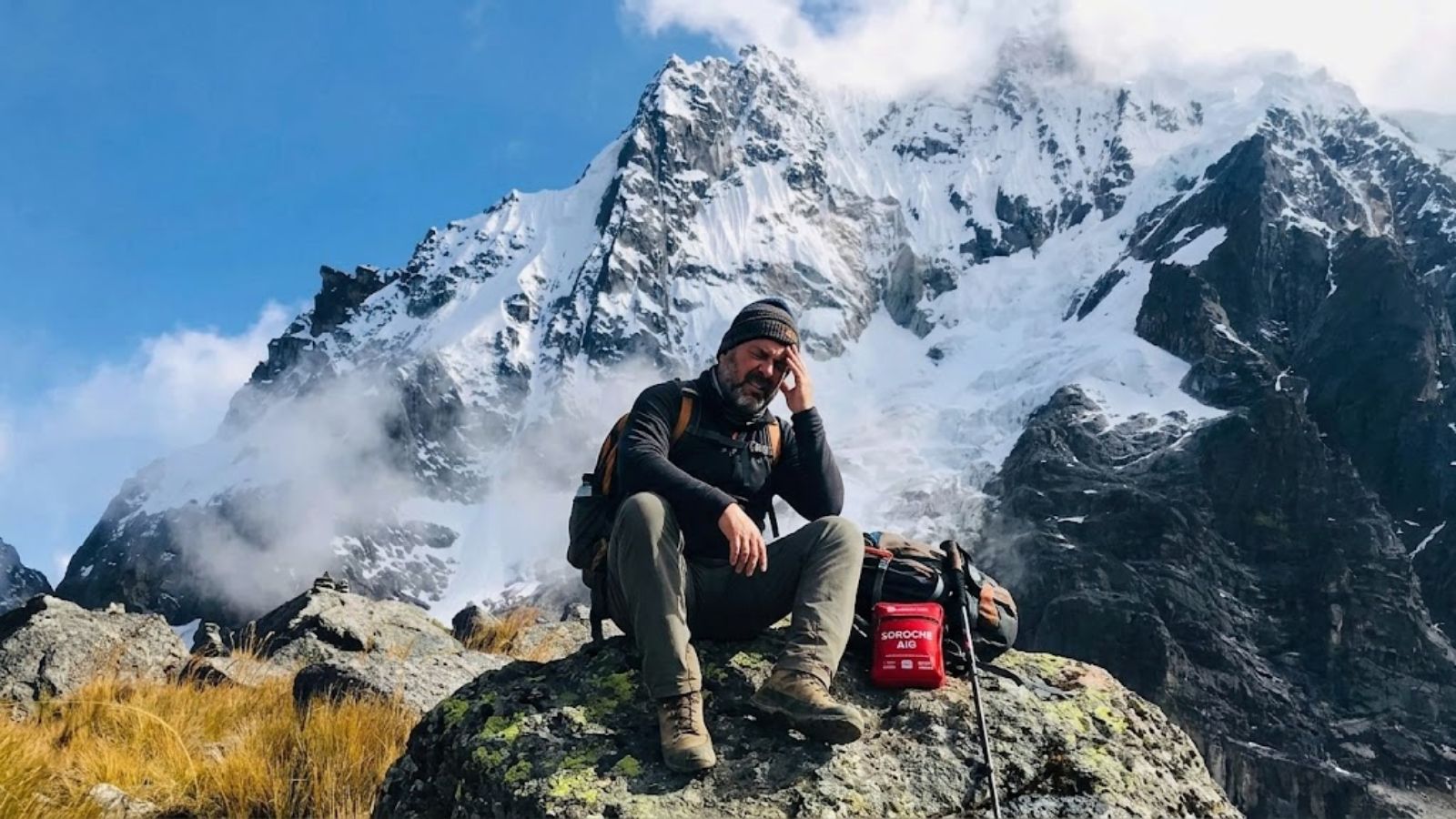
To prevent altitude sickness on the Salkantay Trek, it is advisable to acclimatize before starting the route, walk at a moderate pace, and report any symptoms at their earliest signs. These measures reduce risks but do not eliminate them completely. No recommendation replaces a medical assessment, and being physically fit does not guarantee protection against the effects of altitude.
The Salkantay Trek combines demanding hiking days with high-altitude passes, nights in elevated areas, and changing weather conditions. Preparing in advance and making prudent decisions along the route helps protect your health and allows the group to act quickly if someone needs to rest, adjust the plan, or descend.
Why can altitude sickness occur on the Salkantay Trek?
Altitude sickness can occur because the route reaches areas where oxygen availability is lower than at sea level. The body needs time to adapt to this condition, especially when the ascent is rapid or involves intense physical effort.
The response to altitude varies among travelers. Some people experience mild discomfort, while others may feel unwell even with adequate physical preparation. There is no reliable way to predict who will develop symptoms or how severe they will be.
Altitude and route difficulty
The usual highest point on the route is near the Salkantay Pass, at around 4.600 m above sea level. Reaching this altitude involves uphill hiking, low temperatures, and several hours of physical activity.
Physical effort, ascent, and nights at altitude can increase discomfort if proper acclimatization has not taken place. Trying to move too quickly to keep up with the group is a common mistake, as it increases fatigue and can make it harder to recognize symptoms in time.
Who can experience altitude sickness
Altitude sickness can affect young, active people in good physical condition. Running, going to the gym, or practicing endurance sports can make hiking easier, but they do not replace the body’s adaptation process to lower oxygen levels.
It can also occur in travelers who have already completed other hikes. Previous time at altitude reduces uncertainty about an individual’s response, but it does not completely eliminate the risk on a new route, with a different ascent pace or different resting conditions.
How to acclimatize before the Salkantay Trek
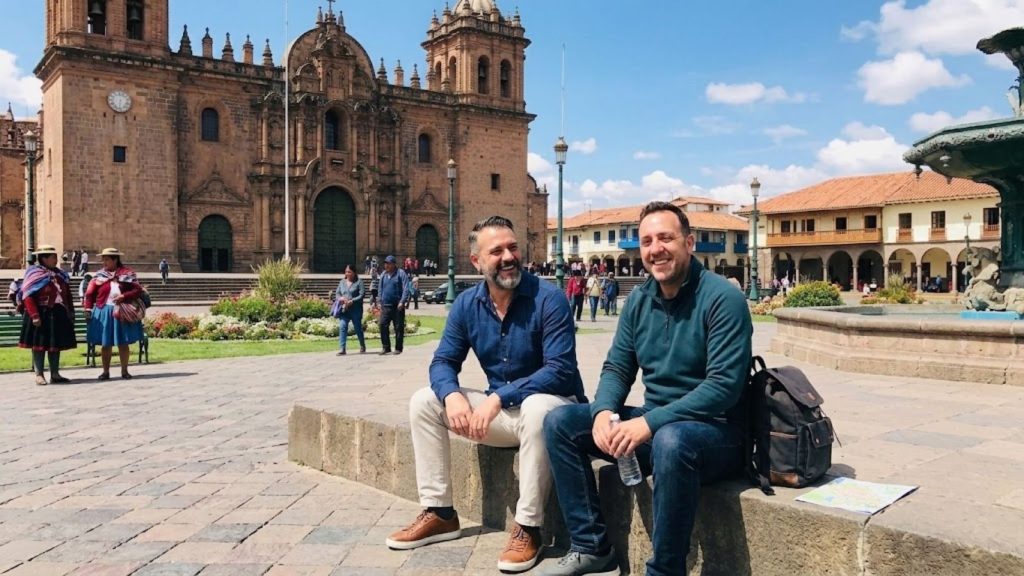
Before starting the Salkantay Trek, it is advisable to spend a few days in Cusco and take part in gradual activities. This period allows you to see how your body responds and prevents going from a flight or transfer to a demanding hike in a short period of time.
Acclimatization does not mean staying still. The goal is to combine rest, enough sleep, and light physical activity without demanding more from your body than necessary during the first days at altitude.
How many acclimatization days are recommended
The acclimatization time needed depends on where you come from, your previous experience at altitude, and your individual response. Travelers arriving from cities near sea level usually need more time to adapt than those who live in or have recently spent days in elevated areas.
Spending several days in Cusco before the trek is usually a prudent decision, but there is no number of days that completely eliminates the risk. If persistent headaches, nausea, or unusual fatigue occur during that period, it is advisable to review your plans before starting the hike.
What to do during the days before
During your first days in Cusco, it is best to rest, sleep well, and take light walks through urban areas or low-intensity routes. This helps you stay active without adding excessive physical strain while your body adapts.
It is advisable to avoid intense training, excursions with steep ascents, and very long days immediately after arriving. It is also helpful to plan simple meals and stay hydrated without forcing yourself to drink more fluids than your body can comfortably tolerate.
Medical consultation before the trip
People who have experienced altitude sickness before should consult a healthcare professional before traveling. The same recommendation applies to those with heart, respiratory, neurological, or other medical conditions that may affect a high-altitude hike.
A doctor or travel medicine specialist can assess your medical history, regular medication, and possible preventive measures. This consultation should take place in advance, not when the traveler is already in Cusco or only a few hours away from starting the route.
How to prevent altitude sickness during the hike
During the trek, prevention is based on managing physical effort, resting properly, eating enough, and reporting any changes in your physical condition. The goal is not to arrive first at each campsite, but to maintain a stable condition throughout every stage.
A responsible itinerary should allow each participant to maintain a safe pace. Decisions about pace, breaks, and whether to continue ascending should take into account how every traveler feels, not only the planned schedule.
Walk at a slow and steady pace
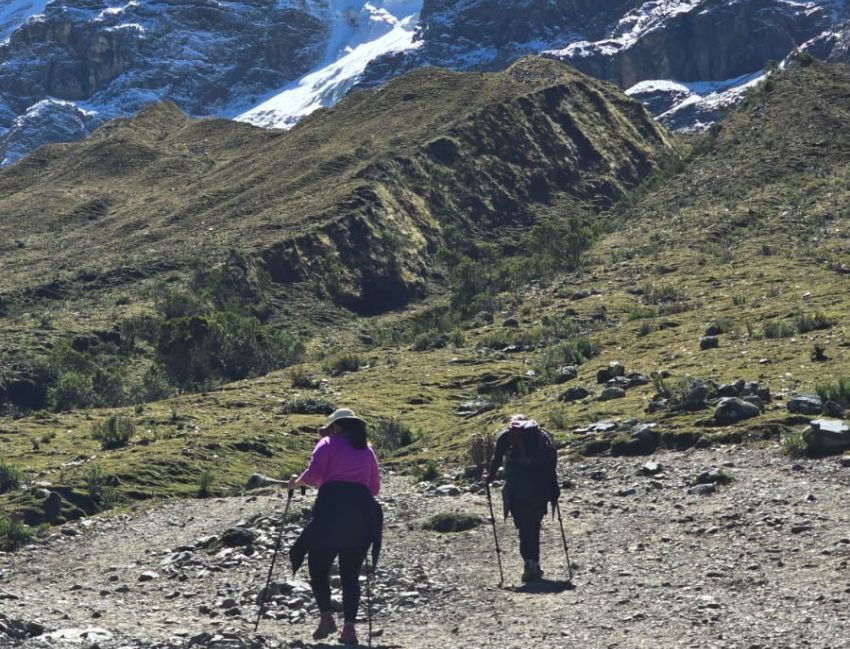
Walking slowly and steadily helps control breathing and prevents unnecessary spikes in effort. On uphill sections, it is best to take short steps, keep a comfortable pace, and stop before reaching marked exhaustion.
It is not advisable to turn the hike into a competition or try to make up time by moving quickly. Every traveler should maintain a pace that allows them to breathe in a controlled way and answer clearly if the guide asks how they feel.
Take breaks along the route
Short, regular breaks allow you to drink water, adjust clothing layers, and recover your breathing. They are most useful when taken before intense fatigue sets in, especially on sustained uphill sections.
When resting, it is not advisable to remain still for too long in cold, damp, or windy places. The body can cool down quickly at altitude, so it is best to resume walking once breathing has recovered and the group is ready.
Maintain proper hydration
Drinking fluids regularly helps prevent dehydration, which can increase fatigue, headaches, and feelings of discomfort. Carrying an accessible bottle or hydration system makes it easier to take small sips throughout the day.
Drinking excessive amounts of water does not prevent altitude sickness on its own and can cause other problems. A practical guideline is to stay regularly hydrated, eat enough, and pay attention to signs such as intense thirst, very dark urine, or weakness.
Eat light foods
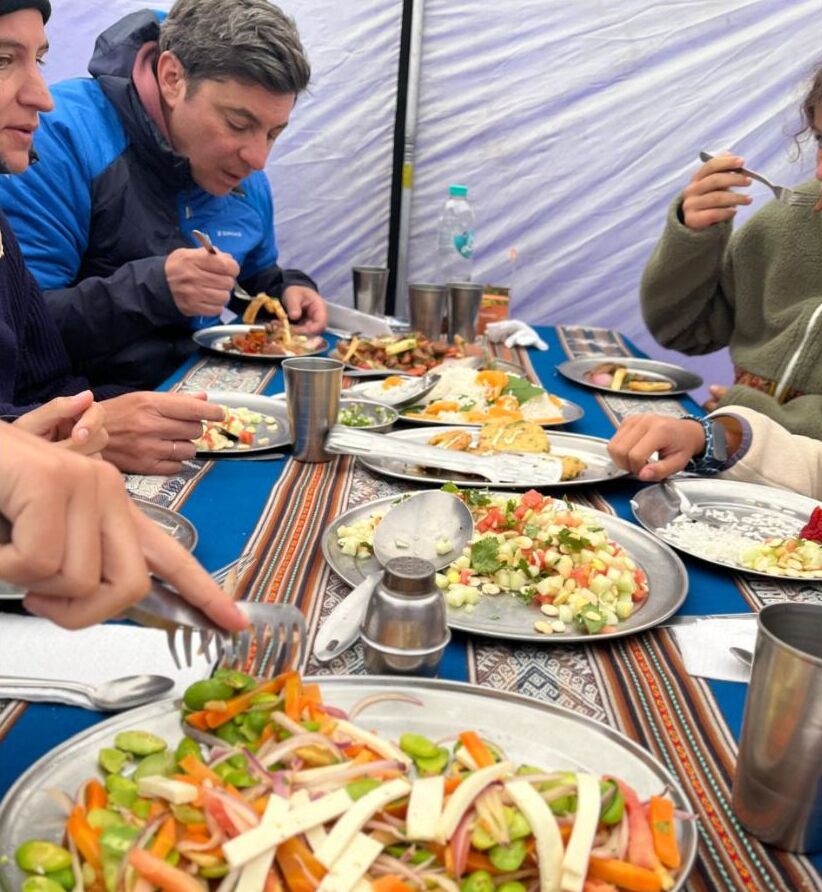
During the route, it is advisable to maintain a sufficient, light, and easy-to-digest diet. Carbohydrate-rich meals, soups, fruit, simple snacks, and moderate portions are usually easier to tolerate when appetite decreases.
A slight loss of appetite can occur at altitude, but it is not advisable to stop eating completely. If loss of appetite is accompanied by intense nausea, vomiting, or a severe headache, it should be reported to the guide and assessed as a possible altitude-related symptom.
Avoid alcohol and sedatives
Alcohol can contribute to dehydration, affect sleep quality, and make symptoms harder to recognize. Consuming it before or during a high-altitude hike adds an avoidable risk, especially on camping nights.
Sedatives can also affect breathing and reduce the ability to recognize worsening symptoms. Any medication for sleeping, relaxing, or managing anxiety should be discussed beforehand with a healthcare professional.
Early symptoms of altitude sickness
Early symptoms may appear after ascending or after spending several hours at altitude. Even if some seem mild, they should be reported immediately to the guide so they can monitor their progression, adjust the pace, and decide whether it is necessary to stop the ascent.
It is not advisable to assume that discomfort will disappear simply through willpower or by continuing to walk. Early detection provides more options for safe management and helps prevent a mild condition from progressing into a more serious situation.
Headache and dizziness
Headache is one of the most common symptoms related to altitude. It may occur together with dizziness, fatigue, irritability, or difficulty sleeping, especially after a day of ascent.
A headache should be reported even if it is manageable. The guide can assess whether it is related to fatigue, hydration, cold, or possible altitude sickness symptoms, and determine whether it is prudent to rest or avoid further ascent.
Nausea and loss of appetite
Nausea, loss of appetite, and vomiting can also occur at altitude. These symptoms should be taken seriously, as they can make it difficult to stay hydrated and eat the food needed to continue a demanding hike.
It is not appropriate to normalize intense symptoms or force yourself to eat large amounts. If nausea worsens, prevents drinking fluids, or occurs alongside a severe headache, dizziness, or weakness, the ascent must stop and the guide must intervene.
Unusual fatigue
Fatigue is expected on a route like Salkantay, but a marked decline in performance or unusual weakness deserves attention. If a person cannot maintain their normal pace despite resting, they may be experiencing a problem that requires assessment.
This sign is more relevant when it occurs together with headache, nausea, difficulty sleeping, or dizziness. Reporting it early makes it possible to review factors such as hydration, food, cold, accumulated effort, and the need to stop ascending.
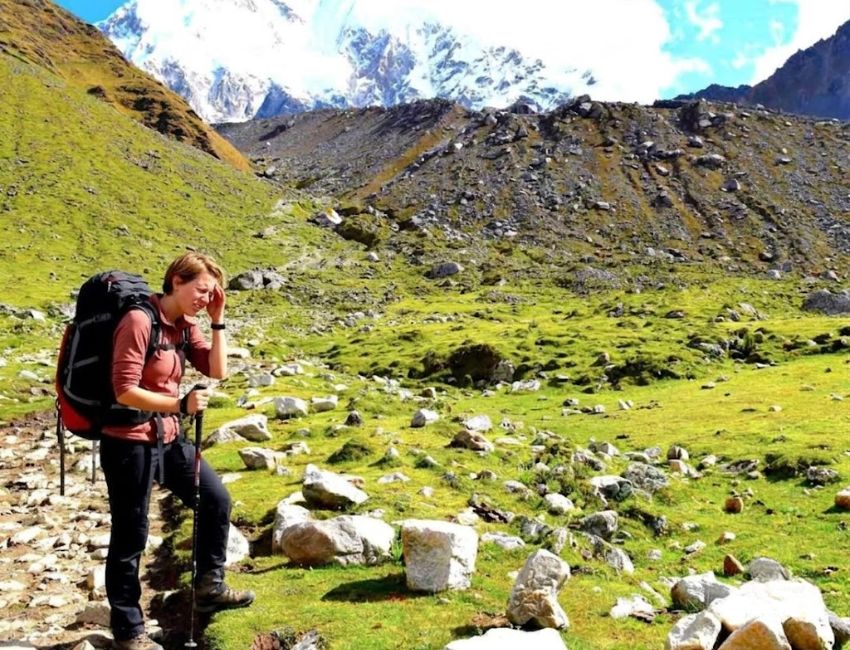
What to do if symptoms appear during the trek
If symptoms consistent with altitude sickness appear during the trek, inform the guide, stop ascending, and rest at the same altitude. You should not continue to a higher area while discomfort persists or until an appropriate assessment has been made.
The priority is to prevent symptoms from progressing. Ignoring discomfort in order to complete a stage, reach a campsite, or avoid delaying the group can increase risk and limit response options.
Inform the guide immediately
The traveler should report any discomfort from the moment it appears. It is not advisable to hide headaches, nausea, dizziness, or weakness out of fear of delaying other participants.
Early communication makes it easier for the guide to observe changes, manage the pace, coordinate breaks, and assess whether the person can continue safely. It also makes it possible to activate the planned protocol before the situation becomes more complex.
Stop the ascent
When altitude symptoms occur, the initial measure is to stop ascending. Resting at the same altitude allows you to observe whether the condition improves and prevents exposing the body to an even greater reduction in oxygen.
The person should not continue climbing until symptoms have disappeared and an appropriate assessment has been made. Feeling slightly better after a break does not automatically mean it is safe to continue to a higher elevation.
Descend if symptoms worsen
Descent is necessary when discomfort increases, does not improve with rest, or warning signs appear. Going down to a lower altitude is usually the most effective measure when there is suspicion of progressing altitude illness.
The decision should be made without unnecessary delays and by following the instructions of the guide or medical staff. Group logistics must never take priority over the safety of the affected person.
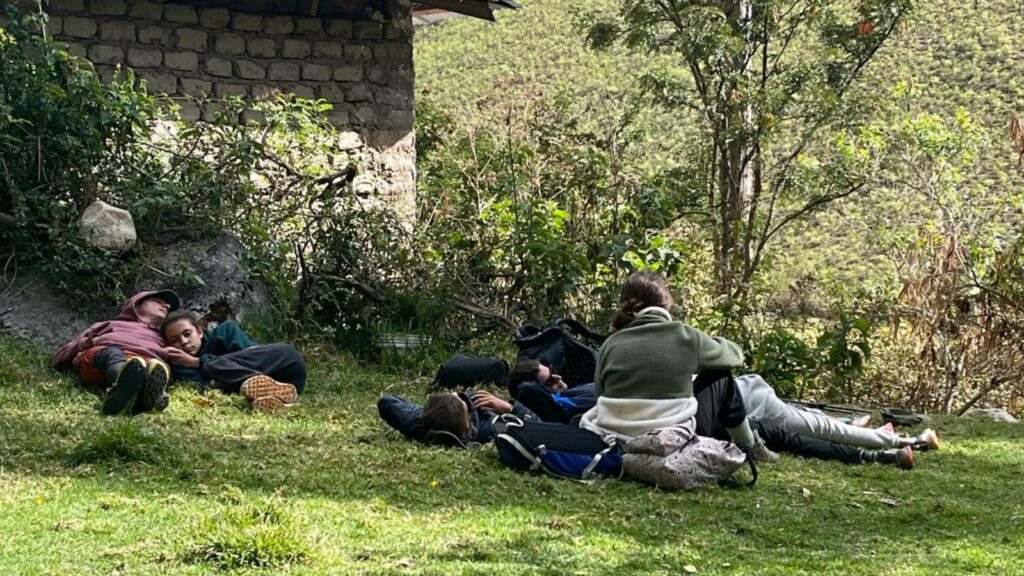
Warning signs requiring urgent attention
Some symptoms may indicate a severe form of altitude illness and require immediate descent and urgent medical assistance. They should not be monitored for hours while waiting for spontaneous improvement, especially if they affect breathing, consciousness, or coordination.
Those accompanying the traveler must also stay alert. A person with severe symptoms may minimize what they are feeling, become confused, or fail to recognize that they need help.
- Difficulty breathing at rest
- Confusion or behavioral changes
- Loss of balance and coordination
- Extreme drowsiness
Medications to prevent altitude sickness
Some medications may be prescribed to prevent or treat altitude sickness, but they should only be used under medical guidance. The choice depends on personal medical history, the itinerary, the planned altitude, and other health conditions.
Medications do not replace acclimatization, pace management, or the decision to stop or descend when symptoms appear. Treating them as a guarantee that you can ascend quickly is a mistake that can have serious consequences.
Consult before taking medication
Before the hike, it is advisable to speak with a doctor or travel medicine specialist. The professional can review allergies, previous illnesses, regular treatments, and possible contraindications for any altitude-related medication.
Do not copy treatments from other travelers or start medication without professional guidance. Appropriate advice requires assessing each person and planning sufficiently in advance before arriving in Cusco.
Do not use medications to mask symptoms
Temporarily reducing a headache does not mean it is safe to continue ascending. A medication may relieve discomfort, but it does not correct a lack of acclimatization on its own or rule out that the condition is worsening.
If there are symptoms consistent with altitude sickness, they should be reported to the guide even if they have partially improved. The decision to continue should be based on an overall assessment of the person’s condition, not only on the current intensity of pain.

The importance of doing the trek with a responsible operator
Doing the Salkantay Trek with a responsible operator helps ensure access to trained guides, emergency protocols, communication methods, and a plan to modify or interrupt the route. These elements are especially relevant on a hike through remote, high-altitude areas.
Before booking, it is advisable to request specific information about emergency management, guide experience, and available alternatives if a traveler cannot continue. If you need to confirm the logistics and protocols for a departure, you can ask the Salkantay.tours team directly.
Daily assessment of travelers
During the hike, the guide should ask how each participant feels and observe possible changes in their physical condition. Asking about headaches, nausea, sleep, appetite, and fatigue helps detect early signs.
This assessment should be repeated especially after ascents and before spending the night at altitude. Travelers must also take an active role and report symptoms without waiting for the guide to notice them on their own.
Emergency equipment and protocol
Before hiring an operator, it is advisable to verify what first-aid, communication, and assistance equipment they carry. It is also helpful to ask how an evacuation is managed, who makes decisions, and what costs may apply if external services are needed.
Not all services include the same resources or follow the same protocols. Having clear information before departing allows you to choose wisely and avoid assumptions when you are in a remote area.
Flexibility to modify the itinerary
Safety must take priority over completing a stage or following the original program. A responsible operator must be able to adjust the pace, arrange additional breaks, or modify the route when a participant’s condition requires it.
Leaving part of the itinerary may be frustrating, but it is the right decision when continuing poses a risk. The hike can be attempted again another time; a health complication should not be treated as a minor inconvenience.
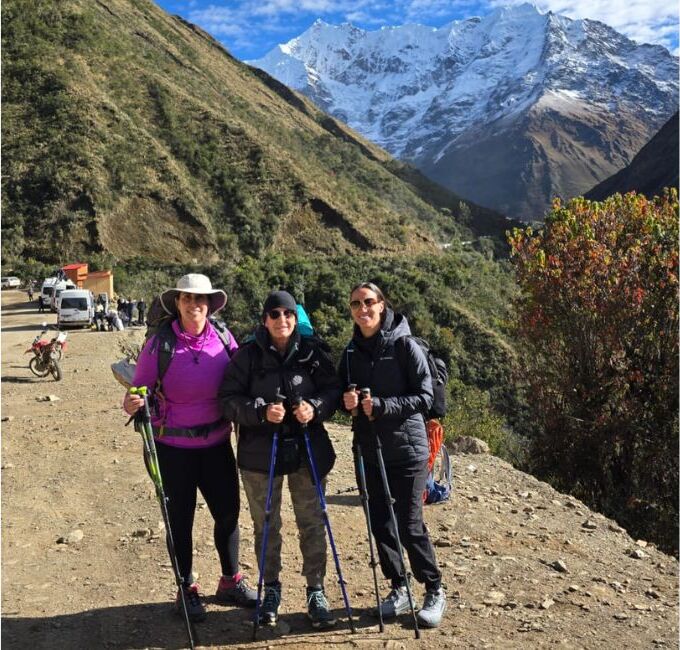
Frequently asked questions
These are some common questions about altitude sickness during the Salkantay Trek. The answers serve as general guidance, but they do not replace the assessment of a trained guide or care from a healthcare professional.
Is it necessary to acclimatize before the Salkantay Trek?
Yes, it is highly recommended due to the altitudes reached and the physical demands of the route. Spending a few days in Cusco, resting, and gradually increasing activity helps the body adapt before facing the highest ascents. Even so, acclimatization does not completely eliminate the risk.
Does being in good physical condition prevent altitude sickness?
No. Good physical preparation can make the hike more manageable and improve endurance, but it does not eliminate the risk of altitude-related illness. Fit people can also develop symptoms and must follow the same preventive measures.
Can you continue hiking with a headache?
A headache should be reported to the guide and assessed alongside other symptoms, such as nausea, dizziness, loss of appetite, or unusual fatigue. Continuing to ascend is not recommended while signs consistent with altitude sickness are present. Taking a break, monitoring the condition, and, when appropriate, descending are safer measures.
What happens if symptoms do not disappear?
If symptoms do not improve with rest at the same altitude, the ascent should stop and descent and medical attention should be considered. This decision is even more urgent if discomfort worsens or breathing problems, confusion, loss of balance, or extreme drowsiness appear.
When should you stop the hike?
The route should be interrupted in the event of severe symptoms, progressive worsening, or when the guide or a healthcare professional determines that continuing poses a risk. Leaving a stage is not a failure: it is a necessary safety measure to avoid major complications at altitude.