


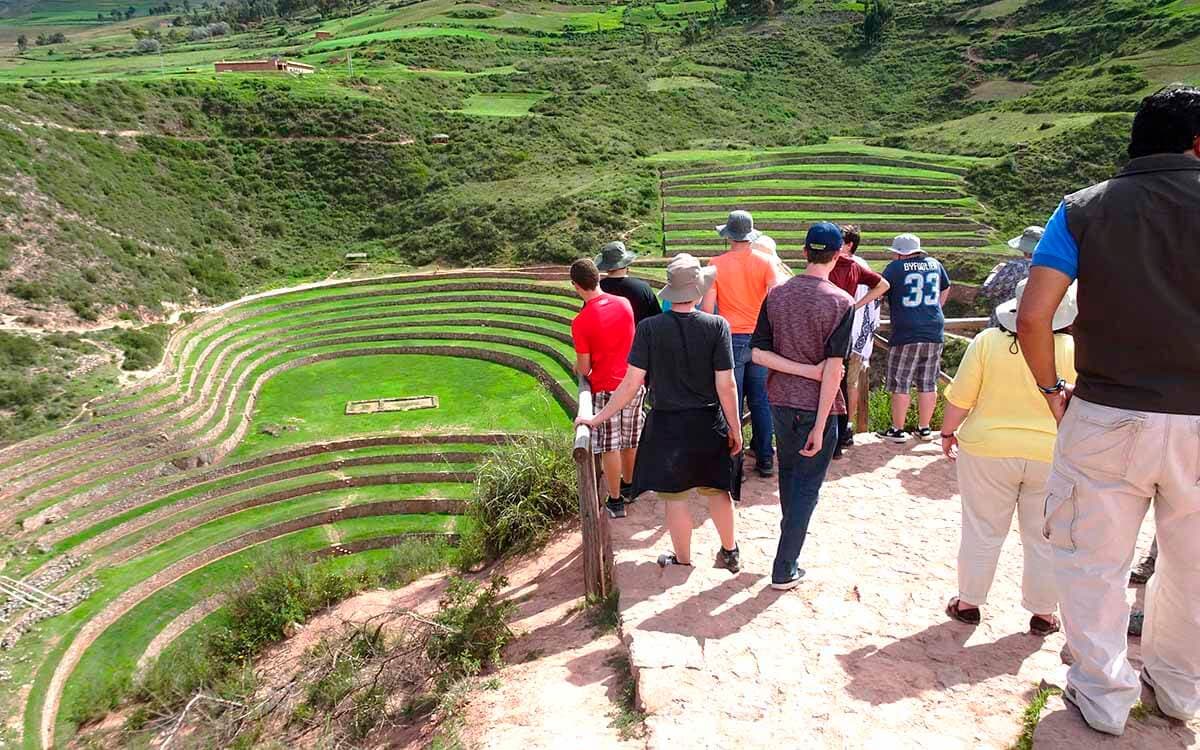
One of the most common questions before doing the Salkantay Trek is how many days in advance you should arrive to acclimatize. The answer matters because the route rises above 4,600 m s. n. m., and arriving without adapting increases the risk of altitude sickness. Here, we explain how many days you need and how to make the most of them.
How many days are recommended
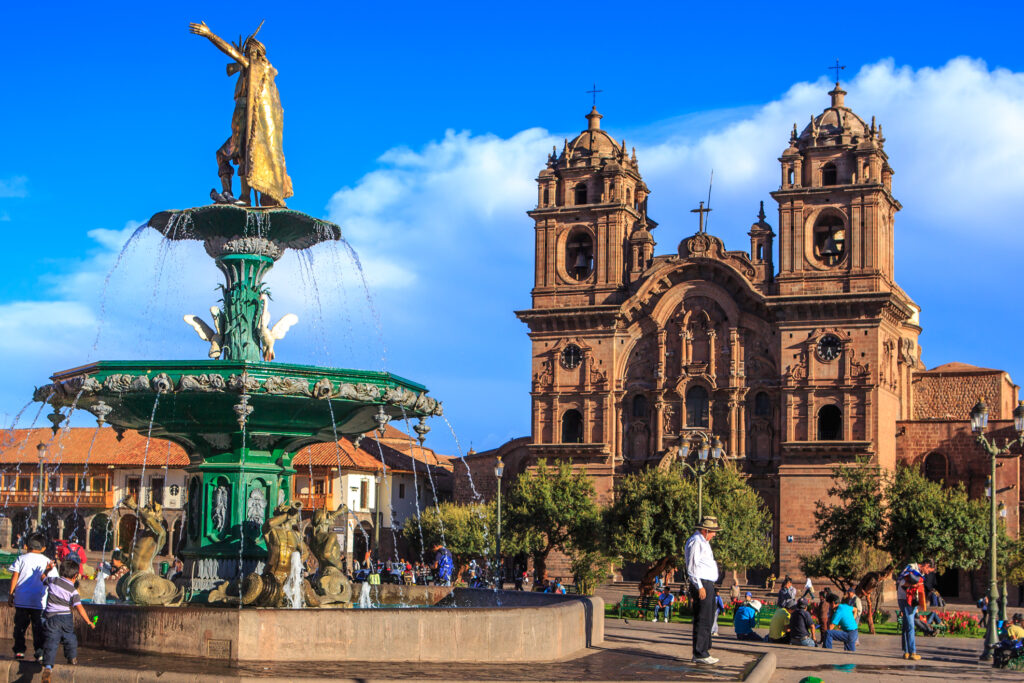
The general recommendation is to arrive in Cusco at least two full days before starting the trek. Cusco is at 3,350 m s. n. m., a considerable altitude, so those days allow your body to begin adapting before climbing even higher along the route.
If your schedule allows, three days is even better, especially if you are coming from sea level or tend to be sensitive to altitude. The more time you have to adapt, the more comfortable you will be when you reach the high points of the trek.
Why it is so important
Altitude sickness occurs when the body has not adapted to the lower oxygen levels at high elevations. It does not depend on your fitness level: it can happen to anyone, even highly trained people. That is why acclimatizing beforehand is the best way to prevent it.
Arriving in Cusco and heading out on the trek the same day or the following day is one of the most common mistakes, and also one of the ones most likely to ruin the experience.
How to make the most of those days in Cusco
It is not enough just to be in Cusco: you need to spend those days the right way.
- Rest on the first day. When you arrive, avoid strenuous activity. Walk slowly and give your body time.
- Hydrate more than usual. At high altitude, the body becomes dehydrated faster; drink water regularly from the moment you arrive.
- Eat light and avoid alcohol. Heavy meals and alcohol worsen altitude symptoms during the first few days.
- Take gentle walks. Starting on the second day, easy walks around Cusco or relaxed excursions in the Sacred Valley help your body adjust gradually.
Ideal excursions to acclimatize
If you want to make the most of the days before your trek with activities that also add to your trip, some easy options at a good altitude are:
- A city tour of Cusco and its surroundings.
- A visit to the Sacred Valley, which is at a lower altitude than Cusco and is comfortable to explore.
- Short hikes in nearby areas.
These activities keep you active without demanding too much and help with acclimatization.
What if you have little time
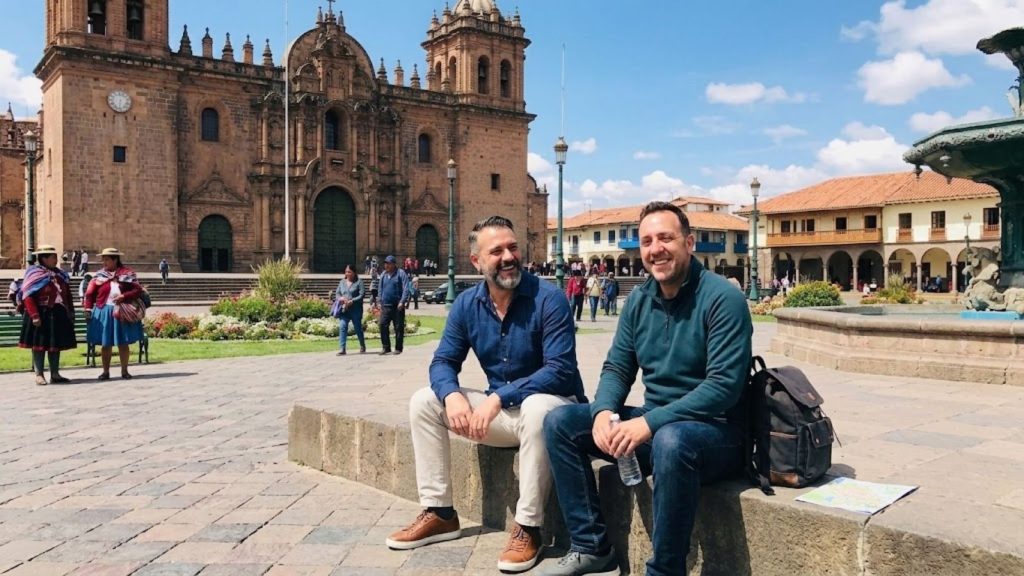
If your itinerary is tight and you cannot set aside two or three days just to acclimatize, try to spend at least one full night in Cusco before the trek and take the first few days very slowly. It is not ideal, but it is better than arriving and leaving immediately. In these cases, staying well hydrated and informing your guide about any symptoms is even more important.
Frequently asked questions
How many days in advance should I arrive in Cusco for the Salkantay Trek?
It is recommended to arrive at least two full days before. If possible, three days is even better, especially if you are coming from sea level.
Does acclimatization depend on my fitness level?
No. Altitude sickness can happen to anyone, regardless of fitness level. What helps most is acclimatizing properly.
What can I do in Cusco to acclimatize?
Rest on the first day, stay well hydrated, eat light, and take gentle walks or relaxed excursions such as the Sacred Valley starting on the second day.
Can I do the trek if I arrive in Cusco on the same day?
It is not recommended. Arriving and leaving immediately increases the risk of altitude sickness. Try to spend at least one full night in Cusco and take the first few days slowly.
Is the Sacred Valley good for acclimatizing?
Yes. It is at a lower altitude than Cusco and is a comfortable excursion that helps with gradual acclimatization.
Before starting the Salkantay Trek, if you have any health condition (heart, respiratory, or otherwise), it is best to consult a doctor, who can give you recommendations based on your situation.