


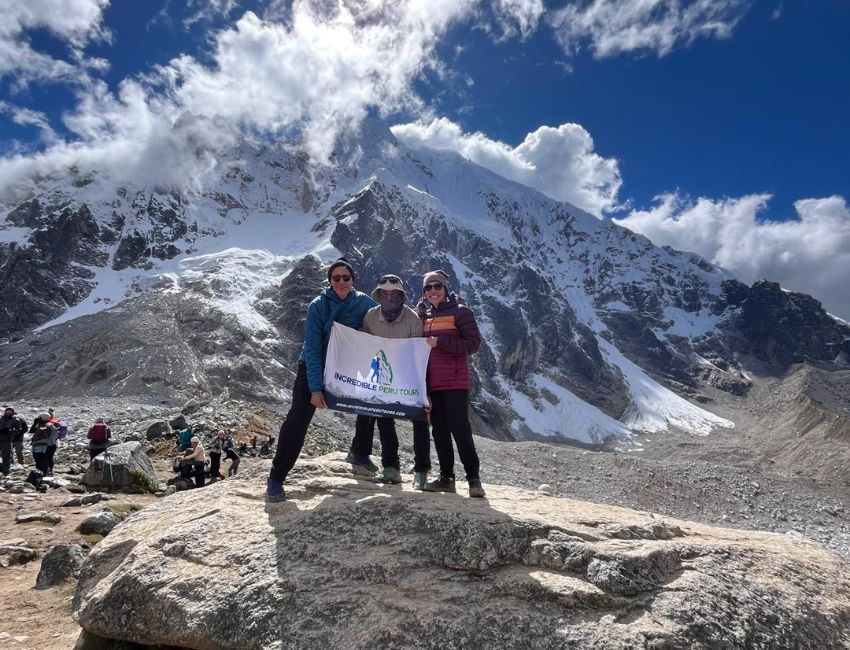
The Salkantay Trek for beginners can be completed by someone with no previous multi-day hiking experience, as long as they have adequate fitness, train before the trip, and spend a few days acclimatizing in Cusco. It is not an easy route: the difficulty varies depending on the chosen itinerary, weather, altitude, and personal pace each day.
Before booking, it is worth honestly assessing your preparation, available time, and the services included in the tour. Arriving well-informed helps you choose a realistic program, bring the right gear, and respond in time if altitude or exertion affects your well-being.
Is the Salkantay Trek suitable for beginners?
Yes, the Salkantay Trek can be suitable for prepared beginners. It does not require technical climbing skills or experience with ropes, crampons, or mountain maneuvers. The route follows dirt trails, stone paths, and uneven sections that require attention while walking.
The challenge lies in sustaining the effort for several hours, tackling elevation changes, and recovering to continue the next day. An active person who trains in advance usually has a better chance of completing the trek than someone with previous experience but no physical preparation.
Recommended previous experience
Having completed long hikes, uphill routes, or endurance sports is an advantage, although it is usually not a mandatory requirement for booking. These experiences help you understand how your body responds after several hours of walking and changing terrain.
If you have never gone trekking, you can start with gradual outings near your city. Look for routes with ascents, descents, and uneven surfaces to get used to the pace, footwear, and using a backpack.
Required fitness level
A moderate to good fitness level is recommended. Cardiovascular endurance helps you walk without becoming breathless too quickly, while leg strength allows you to handle long climbs and better control descents.
You do not need to be an athlete, but you should be able to maintain physical activity for several hours. If you have a recent injury, a heart or respiratory condition, or any relevant medical issue, consult a healthcare professional before planning the trek.
Main challenges for a beginner
Altitude is one of the main challenges. Salkantay Pass rises above 4,000 m a.s.l., an elevation where even trained travelers may experience shortness of breath, headaches, or greater-than-usual fatigue.
There are also long climbs, demanding descents, changing weather, and fatigue accumulated over several days. A morning may begin with intense cold and wind, while later on the route you may encounter heat, rain, or mud.
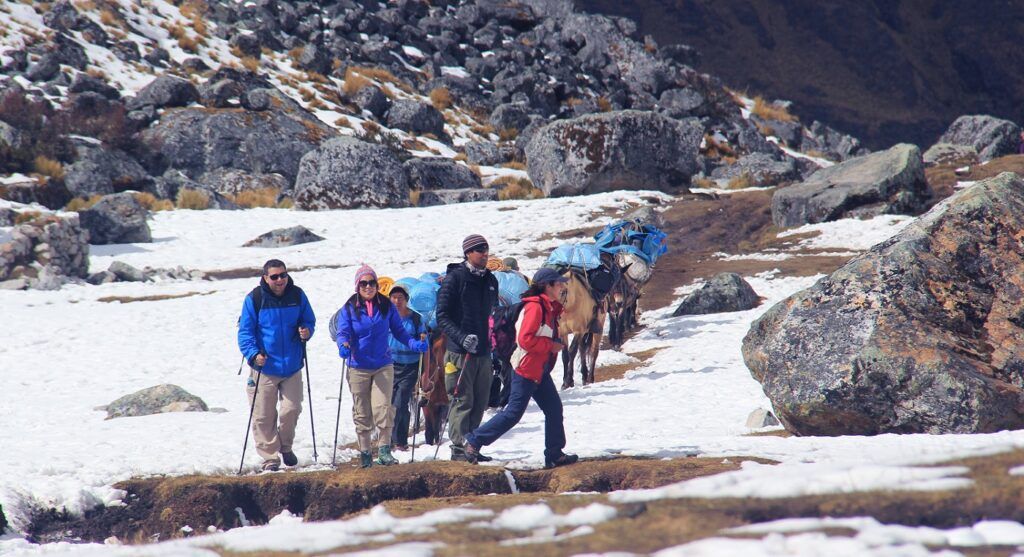
Assess your fitness before booking
Before confirming a Salkantay Trek for beginners, assess whether you can walk regularly and recover between days. It is not only about completing one day of activity, but about maintaining sustained effort throughout a multi-day program.
The best assessment is practical. Train in conditions similar to those you will find on the route and pay attention to your breathing, muscle discomfort, stability on descents, and ability to continue the following day.
How many hours you should be able to walk
Some stages may last several hours. The actual duration depends on the itinerary, trail conditions, breaks, group speed, and each traveler’s individual pace.
As preparation, try to complete long hikes without ending completely exhausted. The goal is not to walk fast, but to maintain a steady pace, stay well hydrated, and preserve energy for the following days.
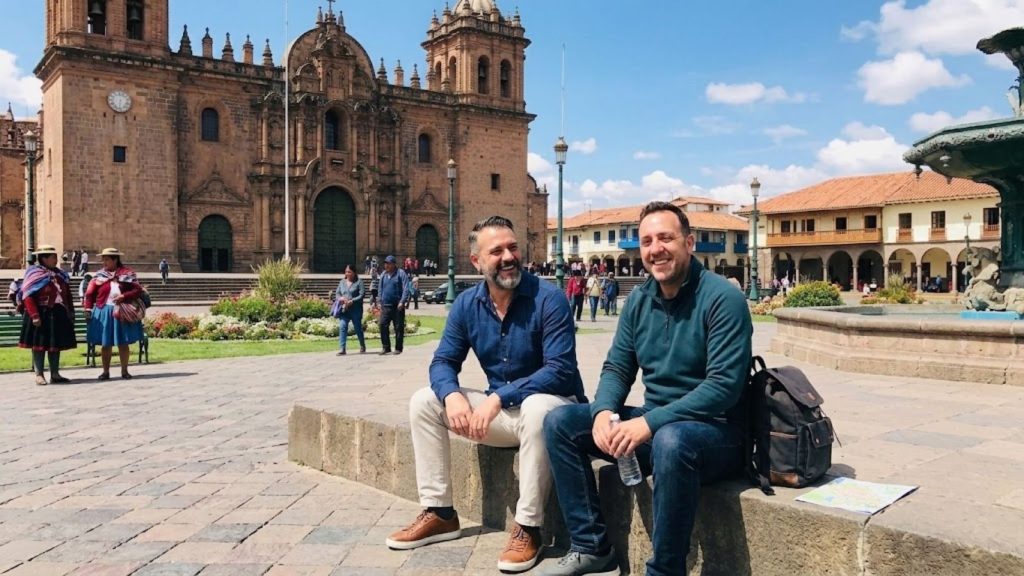
Ability to walk on consecutive days
Completing one long hike does not guarantee that you are ready for the Salkantay Trek. You should consider whether your body can recover overnight and walk again the next day with tired legs.
A good test is to exercise two or three days in a row. You can alternate hikes of different lengths, always increasing the workload gradually and without ignoring persistent pain or excessive fatigue.
Test yourself with a hike before the trip
Before your trip, do a route with climbs and descents to check your endurance. This test also helps you understand how your knees respond on descents, which are often challenging for first-time trekkers.
Wear the footwear, socks, and backpack you plan to take on the trek. This will help you identify chafing, lack of support, unnecessary weight, or fitting problems before you are on the route.
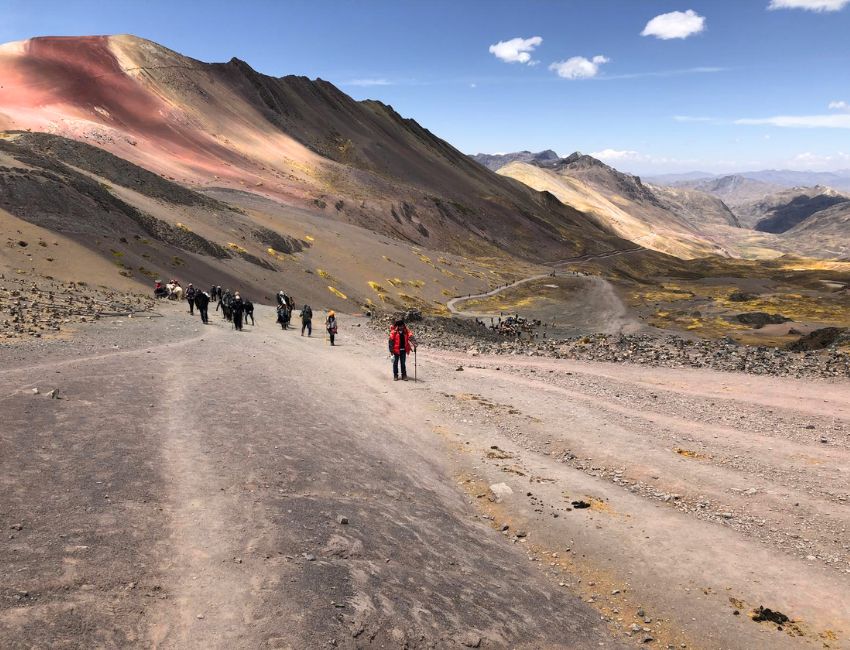
Choose the right itinerary for beginners
Not all Salkantay Trek programs have the same daily level of difficulty. There are options with different durations, campsite layouts, distances, and support services, so it is best to compare the full route rather than just the number of days.
A longer program may distribute the effort more effectively, although it does not eliminate altitude or steep sections. Always request the daily details before paying and make sure the proposed pace suits your preparation.
4-day Salkantay Trek
The 4-day Salkantay Trek condenses the route into fewer days. It can work for travelers with limited time, but it is not necessarily the easiest option because some stages may be long or involve greater physical demands.
Before choosing it, check how many hours you walk each day, where the campsites are located, and how transfers are arranged for the final sections. Do not assume fewer days mean less overall effort.
5-day Salkantay Trek
A 5-day itinerary can distribute some stages more evenly and allow for a more gradual pace. For a prepared beginner, this schedule may make recovery easier and offer more room to adapt to the group’s pace.
Even so, it remains a physically demanding trek. The suitability of the program depends on distances, elevation gain, and the order of each day, not only on having one extra day.
Compare daily distances and elevation changes
Ask the operator for the approximate distance, estimated duration, ascent and descent elevation gain, as well as the difficulty level of each day. These details are more useful than a general program description.
Also ask which day is the most demanding, how a slow pace is handled, and whether alternatives are available if a participant cannot continue walking. Having this information prevents surprises during the trek.
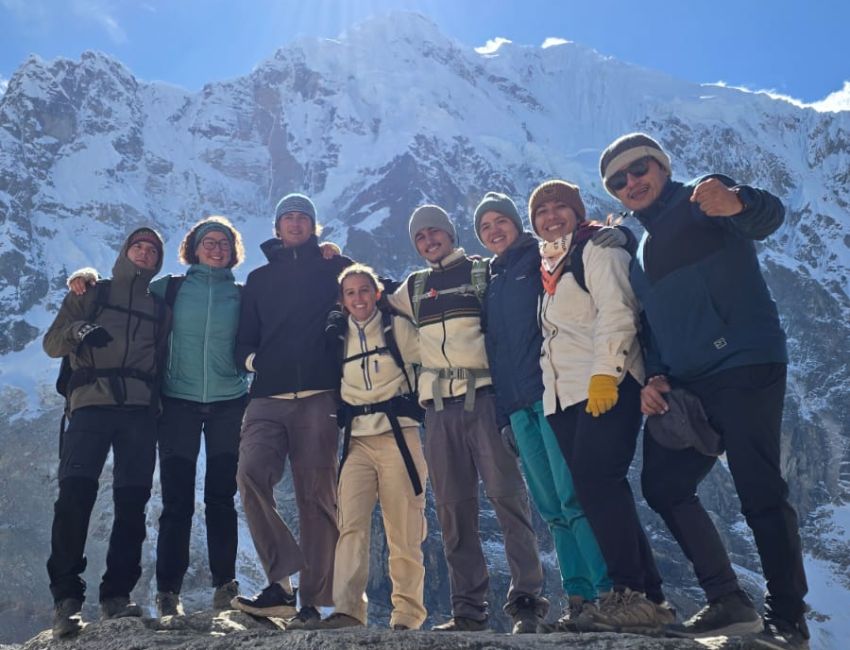
Acclimatization before the Salkantay Trek
Good physical fitness does not prevent altitude sickness. Your body needs time to adapt to Cusco and to the elevations reached during the route, especially before crossing the high sections of the trek.
Acclimatization does not guarantee that you will not experience symptoms, but it reduces the risk of starting the trek feeling unwell. Planning several days in Cusco beforehand is as important as choosing the right itinerary.
How many days to stay in Cusco
Set aside a few days in Cusco before starting the hike. The time needed varies among travelers depending on where they come from, their history with altitude, and how quickly their body adapts.
Avoid scheduling the trek immediately after landing. If your itinerary allows, arrive with enough time to rest and see how you feel before committing to a high-altitude day.
Activities during acclimatization
During the first few days, prioritize rest, hydration, and light meals that you tolerate well. Gentle walks around Cusco can help you stay active without adding excessive physical strain.
Avoid intense workouts, excessive alcohol consumption, and late nights immediately after arriving. A relaxed visit or short walk is preferable to a high-intensity activity before the Salkantay Trek.
Symptoms that should not be ignored
Headaches, dizziness, nausea, unusual shortness of breath, or weakness beyond what is normal may be related to altitude. Do not try to dismiss symptoms simply because other members of the group feel fine.
Tell your guide immediately and do not continue ascending if symptoms worsen. The guide’s assessment and descent, when appropriate, are safety measures that must take priority over the itinerary.
How to prepare physically before the trip
Preparation should begin in advance and increase gradually. A consistent plan is usually more useful than training intensely for only a few days before traveling.
Combine hiking, endurance work, and strength training according to your current fitness level. If you do not exercise regularly, start with moderate workloads and seek professional guidance if needed.
- Long and gradual hikes
- Training on slopes and stairs
- Leg and core strengthening
- Backpack training
What to check before booking a tour
Price should not be the only criterion when choosing an operator. A budget program may include fewer services, larger groups, or different conditions for transportation, meals, equipment, and assistance.
Read the full itinerary and request clear answers before paying. Comparing services helps you understand what you are booking and what additional expenses you may have during the trek.
Guide experience
Make sure the guides know the route, have experience providing care at altitude, and follow emergency protocols. It is also useful to know whether there will be a lead guide and additional support based on group size.
Ask what procedures they follow when a traveler experiences altitude symptoms, an injury, or difficulty continuing. The answer should be specific and include communication, assessment, and evacuation options when necessary.
Group size
The number of participants can affect walking pace, available attention, and coordination at campsites. Large groups may bring together travelers with very different fitness levels.
Ask about the expected maximum group size and the guide-to-passenger ratio. For a beginner, adequate supervision and a well-managed pace can make a practical difference during long days.
Luggage transport
Confirm whether the operator transports your main luggage between campsites and what the maximum permitted weight is. In many programs, travelers hike only with a daypack, but conditions may vary.
Ask what happens to the luggage you will not take on the route and whether the service is included or requires an additional payment. Carrying less weight on your back makes hiking easier, especially on long climbs.
Emergency equipment and assistance
Ask what communication methods the company uses, what the first-aid kit includes, and what protocols it applies in the event of health issues or route changes. Not all sections have reliable phone coverage.
Also check whether the program includes emergency oxygen, transportation coordination, and trained personnel to respond. These measures do not replace prevention, but they are part of a responsible operation.
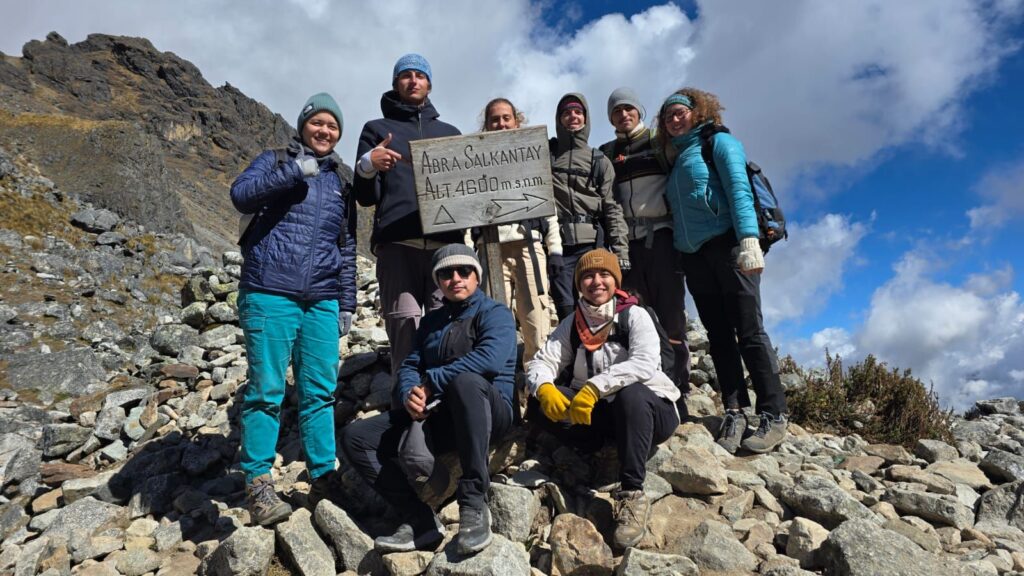
What the program should include
Read the included and excluded services carefully before making payment. Tour names may be similar among operators, but transfers, entrance tickets, equipment, and return arrangements can vary considerably.
Request written confirmation of the booked program. This will allow you to compare what was offered with the actual service and better organize your budget for optional expenses or additional payments.
Transportation and accommodation
Confirm transfers from Cusco, campsite locations, the type of accommodation, and sleeping conditions. Some programs use tents, while others add options with different facilities in certain areas.
Ask whether sleeping pads, sleeping bags, shared or private tents, and final transportation are included. Knowing these details allows you to bring the necessary personal gear and avoid last-minute rentals.
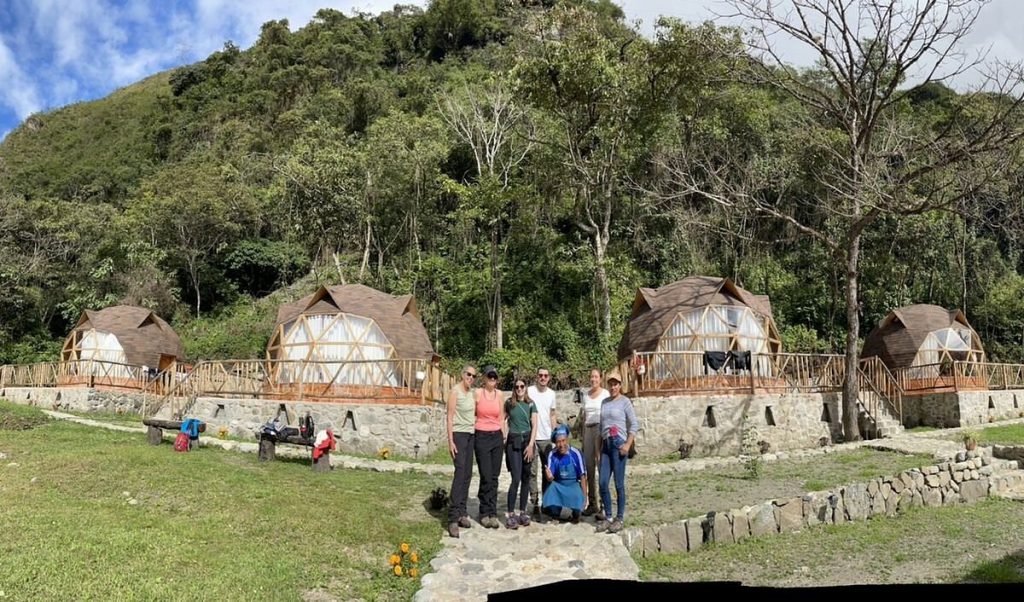
Food and water
Check how many meals are included, when the service begins, and how water is provided along the route. Staying properly hydrated is especially important at altitude and during strenuous days.
If you have dietary restrictions, communicate them before booking and request confirmation that they can accommodate them. Bring personal snacks that you tolerate well to have energy between scheduled meals.
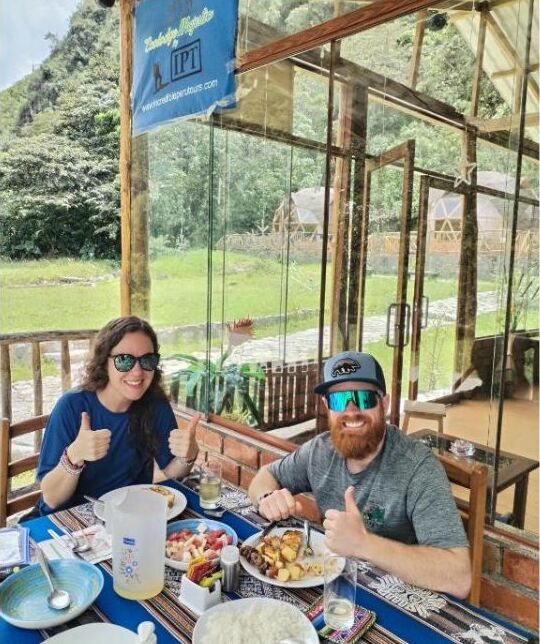
Machu Picchu entrance ticket
Check whether the program includes admission to Machu Picchu, which circuit has been reserved, and what happens if there is no availability for your chosen date. Entry rules and circuits may change.
Do not assume that all tours include the same access. If you need help coordinating tickets, route, trains, and itinerary, you can consult directly with the Salkantay.tours team before confirming your reservation.
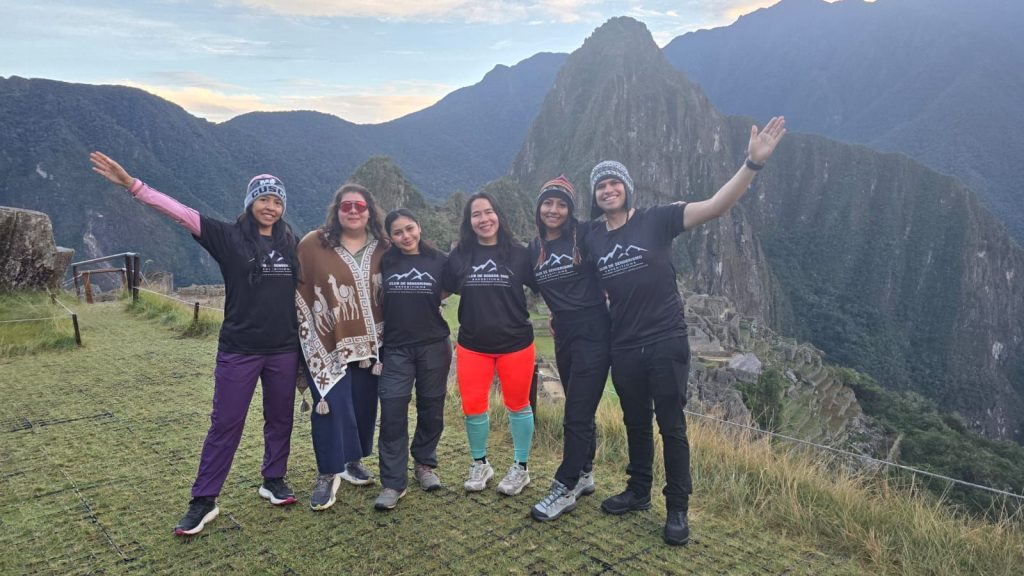
Train and return to Cusco
Confirm the type of train included, the arrival station, and the final transfer to your accommodation in Cusco. Some services end at a different station than expected and require additional ground transportation.
Also check approximate schedules and the train’s luggage conditions. These details are useful for organizing flights, accommodation nights, and onward connections without relying on assumptions.
Services with additional charges
Ask whether admission to Humantay Lake, sleeping bags, trekking poles, horses, or certain transfers are paid separately. Costs may vary by season, availability, and type of service.
Also ask about tips, rentals, drinks, and personal expenses. Keeping a separate budget for extras prevents a low initial price from becoming a higher-than-expected expense.
What gear does a beginner need?
A beginner should carry a light backpack with essential items for hiking and responding to weather changes. The goal is to carry what you need without adding weight that affects your back, shoulders, or balance.
Organize your gear before the trip and test each item during training. What works on a short hike may become uncomfortable after several hours of walking.
Trekking footwear
Wear comfortable footwear with good traction that has been tested before the trip. It can be trekking boots or trail shoes, depending on your preference, as long as they provide enough support for the terrain and do not create pressure points.
Do not wear new footwear for the first time on the route. Take several hikes with the same socks to identify chafing and confirm that the fit remains comfortable when your feet warm up or swell.
Layered clothing
You need clothing for cold, wind, sun, and rain. Changes in altitude and weather make one thick garment less practical than several lightweight layers that you can add or remove.
Bring a quick-drying base layer, an insulating garment, and a waterproof jacket. Also protect your head, hands, and neck, especially during the first hours of the highest-altitude days.
Daypack
In your daypack, carry water, snacks, sunscreen, a waterproof jacket, documents, and personal items. Place heavy objects close to your back and keep items you will use during the route within easy reach.
Avoid filling it with items you will not use. Before leaving, check the weight and adjust the shoulder, chest, and waist straps to reduce load movement while walking.
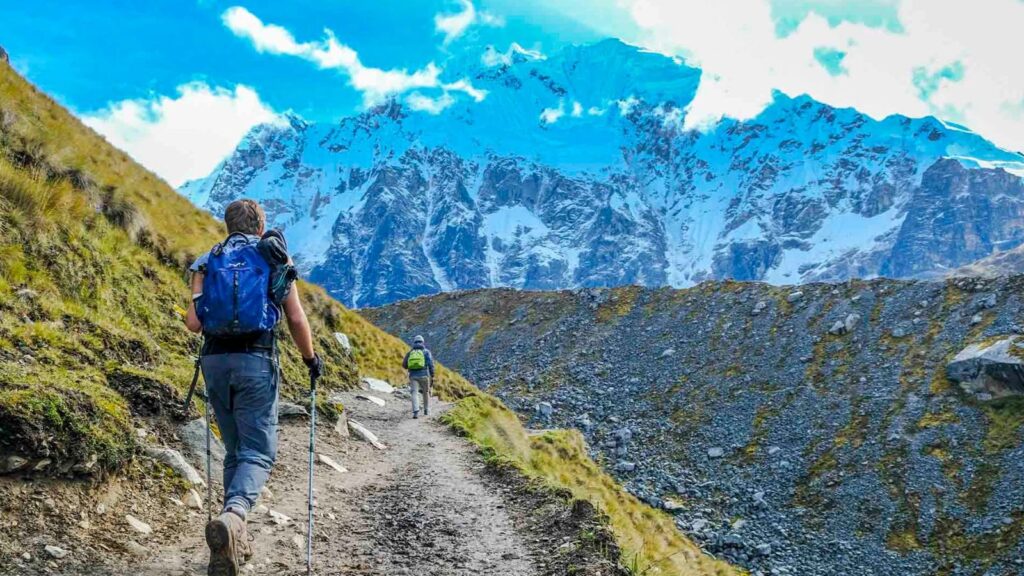
Trekking poles
Trekking poles can help with balance and reduce some of the impact during descents. They also help maintain a steady pace on climbs when used with the correct length and technique.
It is advisable to practice with them before starting the route. If you have never used them, begin on short hikes to avoid relying on poles without knowing how to position or coordinate them with your stride.
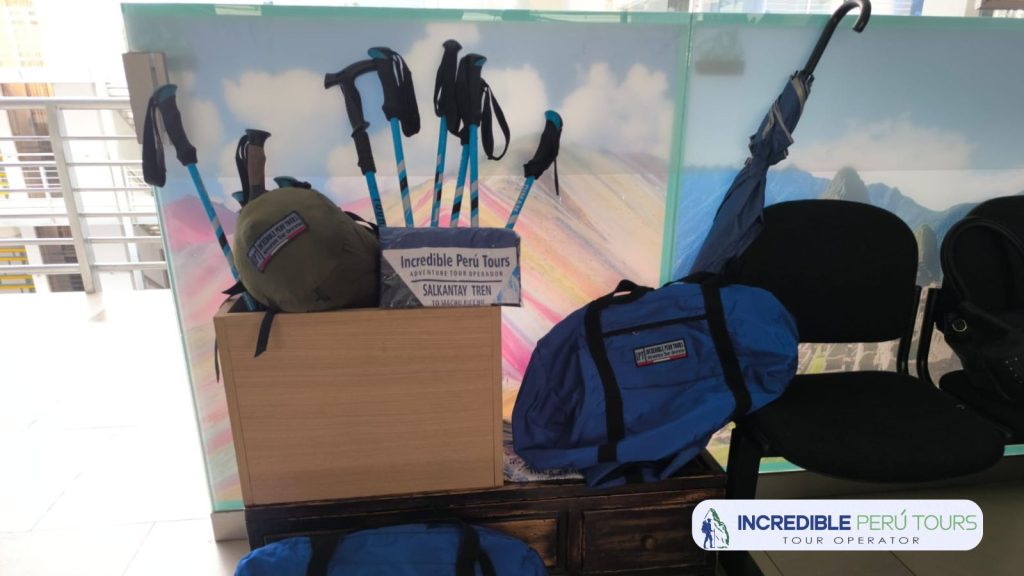
Best time to book the Salkantay Trek
Seasons influence the weather, trail conditions, and availability of services. Your choice of date should consider both your travel preferences and your tolerance for cold, rain, and possible operational changes.
Conditions can vary even within the same season. Check the forecast close to departure and remain flexible about adjustments made for safety reasons.
Dry season
The dry season usually brings less rain and more favorable conditions for walking on trails with less mud. This can make hiking easier and improve visibility on some sections of the route.
It can also mean greater demand for tickets, trains, accommodation, and tours. If you plan to travel during these months, it is advisable to check availability in advance before organizing the rest of your trip.
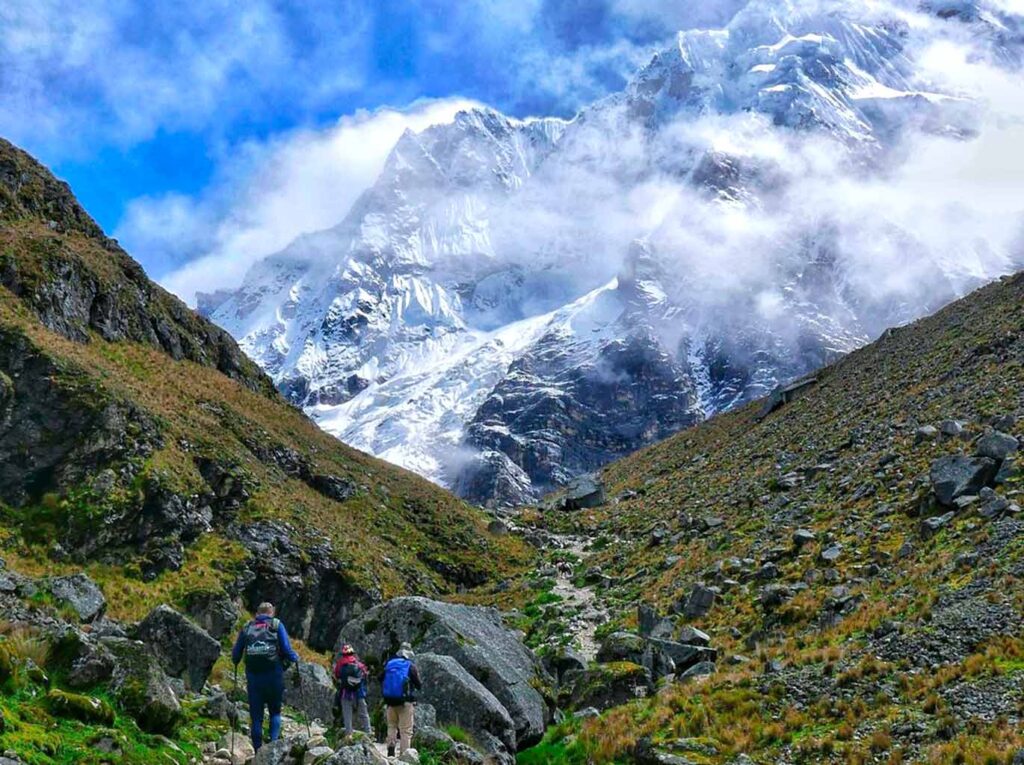
Rainy season
During the rainy season, you may encounter mud, fog, precipitation, and faster changes in trail conditions. The hike may require greater caution, especially on descents and slippery sections.
Traveling at this time requires reliable waterproof gear, backpack protection, and willingness to adapt your pace. The operator should communicate safety measures and possible alternatives if weather affects the itinerary.
Book Machu Picchu in advance
Check Machu Picchu ticket availability before booking the trek, especially during periods of high demand. Tour availability does not always mean that the entry circuit you expect is available.
Verify the date, time, and circuit shown on your confirmation. Do not leave this check until the final days, as the available options may be more limited.
Booking and cancellation policies
Before making any payment, review the booking and cancellation terms. Policies may vary depending on the operator, tickets already issued, train services, and how close the departure date is.
Request the terms in writing and keep your receipts. This allows you to understand your obligations, applicable deadlines, and available alternatives if you need to modify the trip.
Deposit and outstanding balance
Confirm how much you need to pay to book, when the outstanding balance is due, and which payment methods are available. Some operators apply additional fees depending on the payment method used.
Ask whether the deposit covers tickets, trains, or other non-refundable services. Knowing this information will help you make a decision without assuming that every initial payment has the same conditions.
Changes and cancellations
Review the penalties, deadlines, and applicable conditions if you modify or cancel the program. Rules may differ for date changes, name changes, or full cancellation.
Check which services can be rescheduled and which depend on availability. If you purchase travel insurance, review its coverage and exclusions before assuming it will cover any cancellation.
Changes due to weather or safety
Ask what alternatives the operator offers if weather or safety conditions prevent the original itinerary from continuing. A route may require adjustments due to rain, landslides, closures, or other external situations.
Ask whether rescheduling, an alternative route, a partial refund, or a service change is available in those cases. The company should explain that the final decision may depend on conditions beyond its control.
Mistakes a beginner should avoid
The most common mistakes usually happen before starting the trek: choosing based on price, ignoring acclimatization, or relying on new gear. Avoiding them helps you arrive with more realistic expectations and better ability to respond.
Preparation does not eliminate every unexpected event, but it reduces risks that are within your control. Plan with extra time, ask what you need to know, and communicate any physical limitations from the beginning.
Booking the shortest itinerary because it seems easy
Reducing the number of days can concentrate the effort into more intense stages. A short program is not always better for beginners, even if it seems convenient in terms of time or budget.
Compare daily distances and elevation changes before deciding. For some travelers, an additional day may offer a more manageable physical distribution, provided the itinerary is well designed.
Arriving in Cusco and starting immediately
Starting the trek as soon as you arrive in Cusco can increase altitude-related discomfort. Your body needs time to adapt, even if you exercise frequently where you live.
Schedule adaptation days beforehand and avoid filling that period with demanding activities. If you already have significant symptoms in Cusco, do not ignore them when deciding whether to begin the hike.
Wearing new footwear during the trek
Breaking in new boots or shoes during the trek increases the risk of blisters, pain, and instability. A small foot problem can affect every step on a multi-day route.
Test your footwear during pre-trip training and wear it with the socks you will use for the hike. Keep basic supplies on hand to treat chafing before it turns into a more serious injury.
Hiding discomfort from the guide
Any altitude symptom, severe pain, injury, or unusual difficulty should be communicated promptly to the guide. Waiting can limit the available options and make the problem more difficult to manage.
Reporting it does not mean you must automatically leave the route. It allows the team to assess the situation, adjust the pace when possible, and activate assistance protocols if needed.
Frequently asked questions
These are some common questions from people planning to do the Salkantay Trek for the first time. The answers serve as guidance, but it is advisable to confirm specific details with your chosen operator.
Can someone who has never gone trekking do it?
Yes, it is possible with prior physical preparation, enough time to acclimatize, and an itinerary suited to your personal level. Technical climbing skills are not required, but endurance, discipline, and willingness to walk for several days are essential. If you are starting from scratch, it is best to train in advance and not choose a program simply because it is the shortest.
Which option is better for beginners: 4 or 5 days?
The five-day program may distribute some stages more evenly, but it is not automatically easier. Your choice should be based on distances, elevation changes, hiking hours, and campsite locations. Request the daily details and compare which option best suits your fitness level and available time.
Do you need to carry all your luggage?
Many programs transport your main luggage between campsites and allow you to hike only with a daypack. However, this service, the maximum permitted weight, and excluded items must be confirmed before booking. Carrying less weight makes progress easier, especially on uphill sections.
Is it mandatory to hire a guide?
Hiring a guide is not always mandatory, but for beginners it is especially advisable to do the route with a responsible operator. The service provides organization, trail guidance, logistical support, and assistance protocols. It also helps coordinate campsites, transportation, meals, and final entry to Machu Picchu.
When should I not book the trek?
It is best to postpone the trek if you do not have enough preparation, have unevaluated medical issues, or do not have time to acclimatize in Cusco. It is also wise to reconsider if you have an active injury or if the itinerary requires a pace you know you cannot sustain. Preparing better can make the trip safer and more enjoyable.