


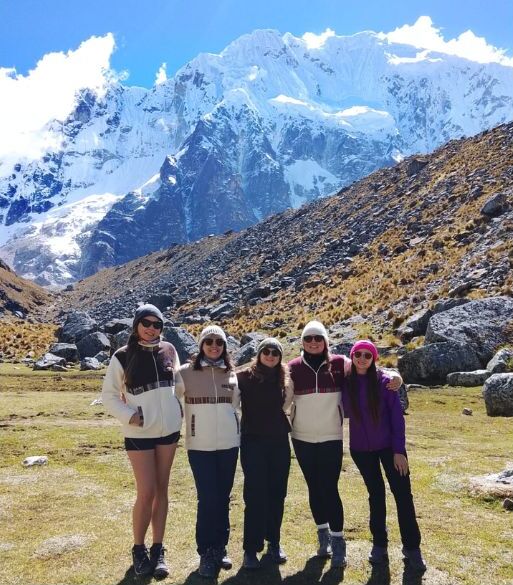
How far you walk each day on the Salkantay Trek depends on the program you choose, but travelers usually cover between 10 and 25 kilometers per day over approximately 4 to 11 hours. Not all itineraries follow the same route or distribute distances in the same way: some include more hiking, while others use transportation on certain sections.
The difficulty is not measured by kilometers alone. Altitude, ascents, descents, and changing weather conditions can make a short distance feel demanding. For this reason, before booking, it is best to review the daily itinerary details rather than relying only on the trek’s total duration.
How many kilometers do you walk each day?
In most Salkantay Trek programs, the daily distance falls within an approximate range of 10 to 25 kilometers. The final total varies according to the length of the route, where the hike begins, the location of the campsites, and the transfers included.
A five-day itinerary usually spreads the effort more gradually. In contrast, a four-day itinerary may concentrate similar sections into less time. Some operators also include vehicles on parts of the route, especially before or after Hidroeléctrica.
Average distance per day
Many stages of the Salkantay Trek cover approximately 10 to 25 kilometers. This range serves as a guide, but it should not be understood as a fixed figure for every program, as each operator may change campsites, detours, and meeting points.
The days approaching the campsites may cover fewer kilometers, while mountain-crossing days or the journey toward Aguas Calientes tend to be longer. Reviewing the map and technical itinerary details helps you better understand the actual effort required each day.
Hiking hours per day
Daily hikes can last approximately 4 to 11 hours, including breaks, lunch, photos, and time to enjoy the scenery. Actual walking time is usually shorter, but stops are a normal part of the trek operation.
A 15-kilometer hike at altitude does not take the same amount of time as the same distance on flat terrain. During the first days, the pace is usually slower due to altitude, while in lower areas heat, mud, or uneven terrain can extend the route.
Why times vary
The group’s pace greatly affects the duration of each stage. Previous acclimatization, fitness level, weather, cumulative elevation gain, and trail conditions at that time also play a role.
Scheduled stops also affect the arrival time. A group may stop to rest, have lunch, listen to the guide’s explanations, or wait for members who are moving more slowly, which is common on mountain routes.
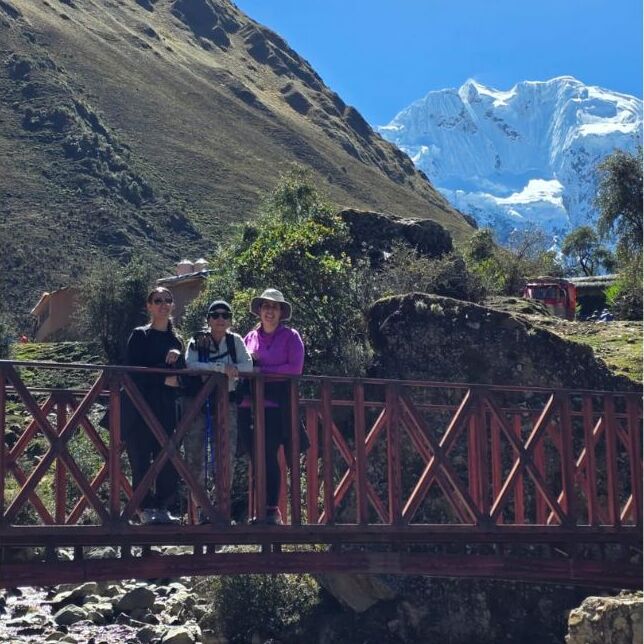
Daily distance on the 5-day Salkantay Trek
The classic five-day program usually divides the hike into more gradual stages, although exact distances and campsites vary between operators. Some routes begin near Mollepata or Challacancha, while others start closer to Soraypampa.
In this option, the second day usually presents the greatest physical challenge. The following days continue toward lower-altitude areas, but may still involve long stretches, especially when hiking from Hidroeléctrica to Aguas Calientes.
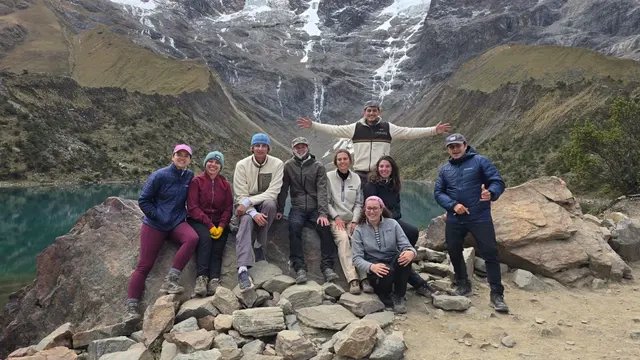
Day one: Soraypampa and Humantay Lake
The first day usually serves as an acclimatization day. Depending on the program, it includes transportation from Cusco, an initial hike to the campsite, and the ascent to Humantay Lake, which may be included or optional.
Although the distance on this stage may be shorter than on other days, you hike at high altitude. Soraypampa is located at around 3,900 m above sea level, so it is common to move slowly and take breaks before beginning the ascent to the lake.
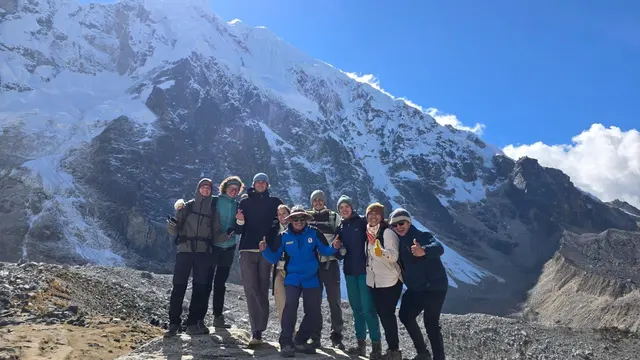
Day two: Salkantay Pass
This is usually one of the longest and most demanding days of the Salkantay Trek. The route combines the ascent toward Salkantay Pass, located at high altitude, with a long descent toward cloud forest areas.
The elevation change makes the distance feel longer. It is common to start before sunrise in order to cross the pass in better conditions and complete the descent with enough time before reaching the campsite.
Day three: descent toward the high jungle
During the third day, the hike usually takes place at a lower altitude and in warmer weather. The route passes through valleys, rivers, plantations, and denser vegetation than on the first days.
The descent reduces the difficulty associated with lower oxygen levels, but it does not eliminate the effort. Long slopes can strain the knees, and heat or humidity require good hydration throughout the day.
Day four: Llactapata and Hidroeléctrica
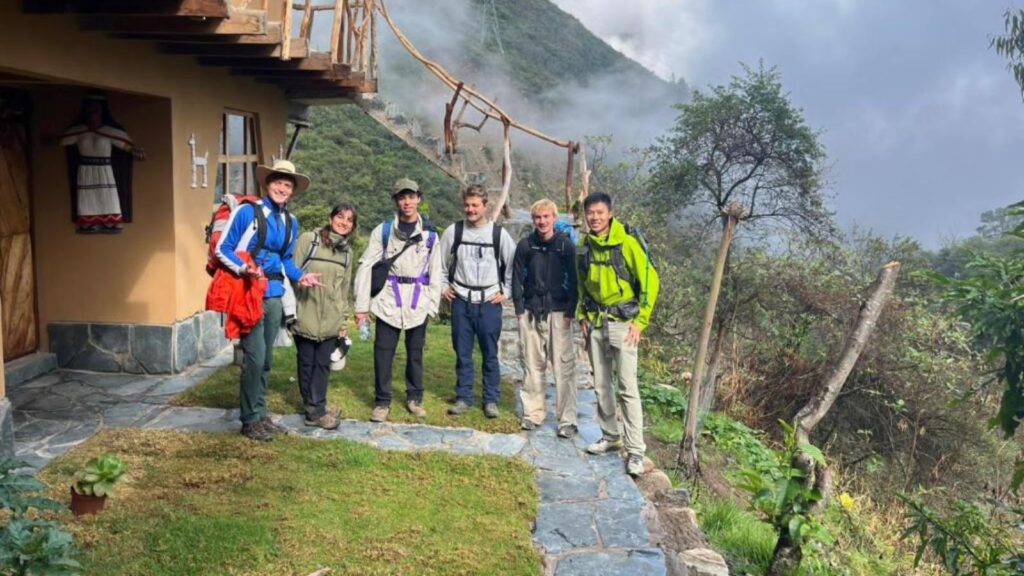
The fourth day can be another long day, especially when the itinerary includes the ascent toward Llactapata. From this area, some routes continue to Hidroeléctrica and then proceed on foot to Aguas Calientes.
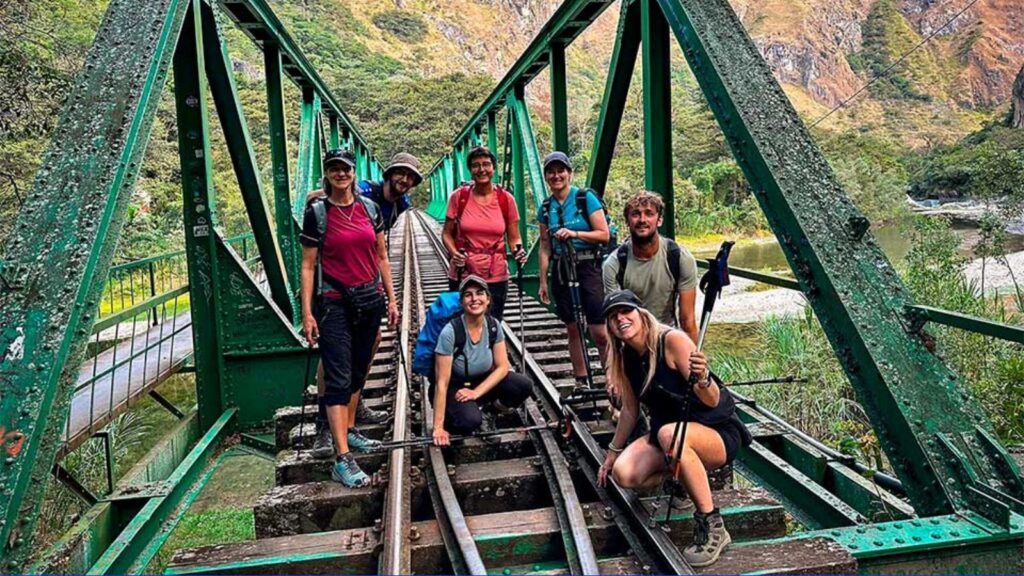
The hike between Hidroeléctrica and Aguas Calientes is usually flatter than on previous days, but it takes place after several accumulated days of hiking. Some programs offer transportation or train alternatives on certain sections, so it is best to confirm this before booking.
Day five: visit to Machu Picchu
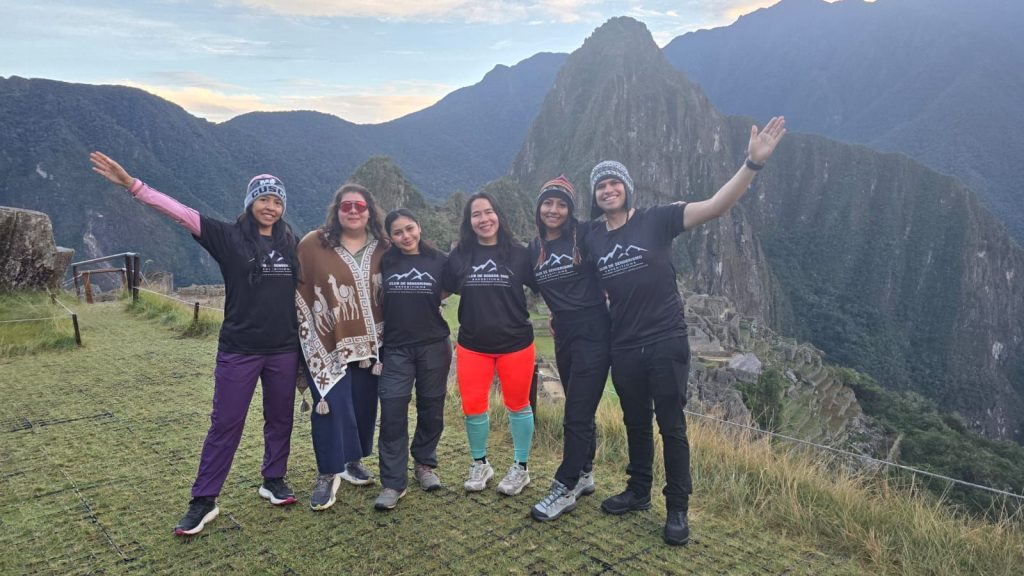
The fifth day is mainly dedicated to visiting Machu Picchu and returning to Cusco. The amount of hiking depends on whether you walk from Aguas Calientes or take the bus up to the citadel.
Those who hike up should consider the demanding staircase and a very early departure. Within the archaeological site, the visit also requires walking, especially if you choose a longer circuit or have a permit for an additional mountain.
Daily distance on the 4-day Salkantay Trek
A four-day Salkantay Trek condenses the route into fewer days and is not necessarily easier. To fit the available time, these programs usually combine long hikes with vehicle transfers at certain points.
The exact route can vary significantly between operators. Some keep the visit to Humantay Lake, others change the order of the campsites, and several include transportation to Hidroeléctrica to make the arrival in Aguas Calientes possible.
Day one and Humantay Lake
The first day may include transportation from Cusco to the trailhead, the hike to Soraypampa, and a visit to Humantay Lake. It is a day that combines road travel with high-altitude hiking.
A common mistake is underestimating this stage because it does not always add up to many hiking kilometers. The ascent to the lake can feel intense if the traveler has recently arrived in Cusco or has not had enough time to acclimatize.
Day two and Salkantay Pass
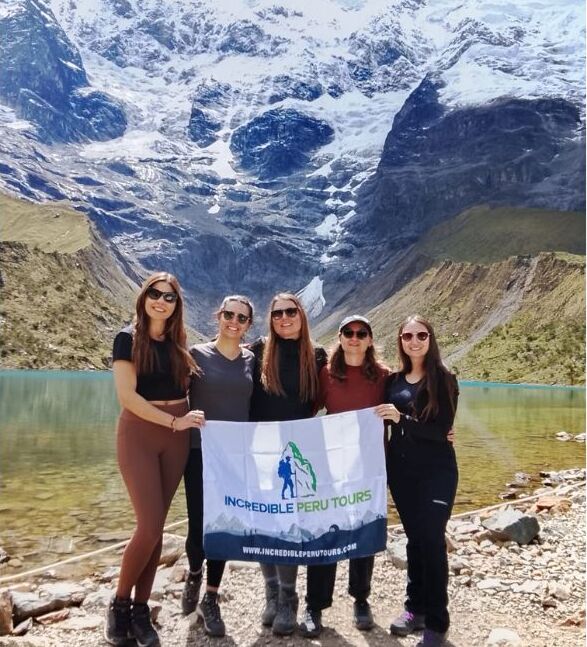
The second day usually remains the highest-altitude stage and one of the longest days of the program. Salkantay Pass requires a sustained ascent and proper adaptation to reduced oxygen availability.
After the highest point, there is still a long descent toward warmer areas. The full section requires endurance, good pace management, and an early start to avoid hiking in low light if the group moves slowly.
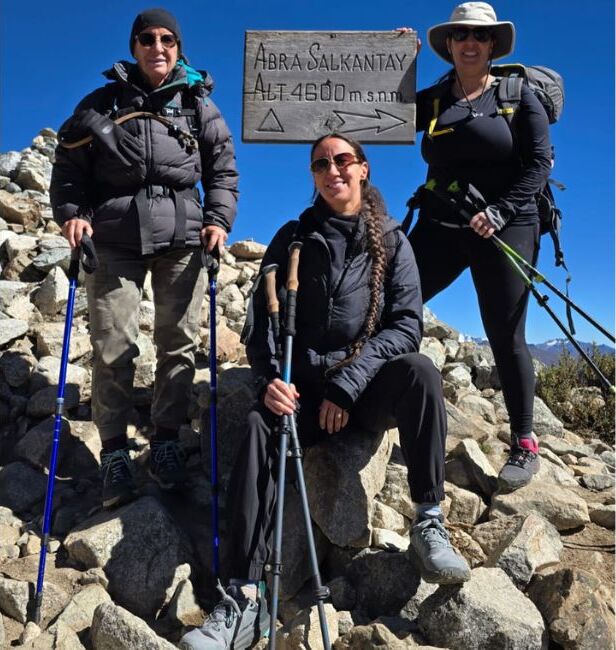
Day three to Aguas Calientes
On some four-day itineraries, the third day combines hiking and transportation before continuing from Hidroeléctrica to Aguas Calientes. This reduces part of the distance, although it does not completely eliminate the day’s effort.
The final section alongside the railway can take several hours depending on the group’s pace and conditions. Before booking, ask to be clearly told from which point transportation is used, how far you will walk, and whether the train is included or optional.
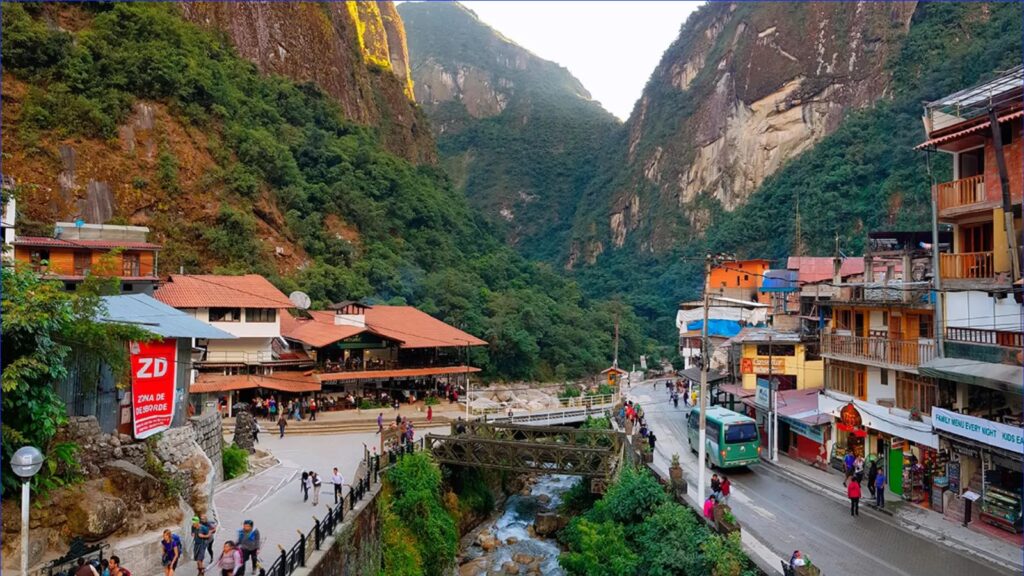
Day four in Machu Picchu
The fourth day is reserved for visiting Machu Picchu and returning to Cusco. Even without a trekking stage comparable to the previous days, it may include walking from the accommodation to the departure point, within the citadel, and on the access stairs.
Choosing between going up by bus or on foot affects physical fatigue. If the trip includes a train return, keep in mind that schedules and availability may vary, so logistics should be arranged in advance.
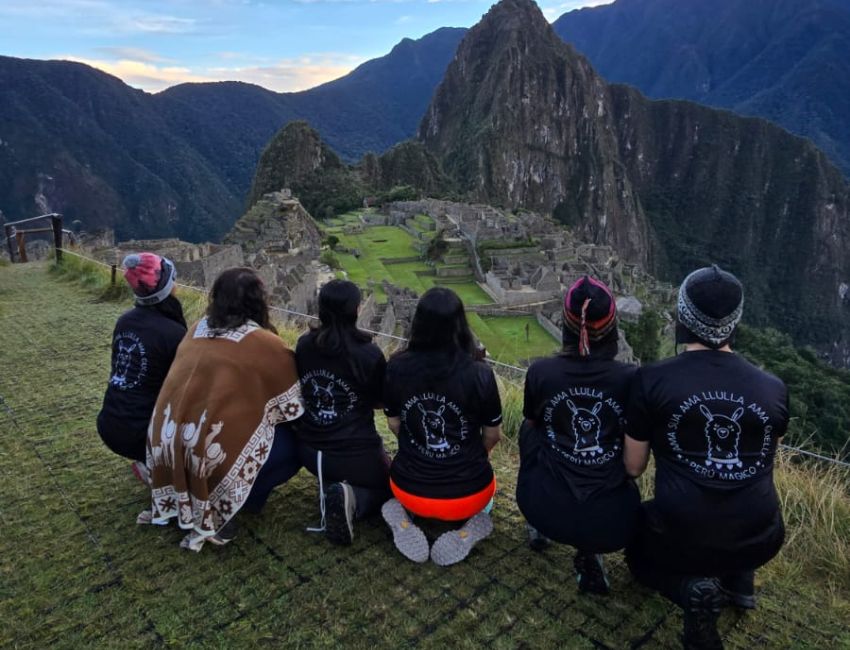
What is the hardest day of the Salkantay Trek?
The day crossing Salkantay Pass is usually considered the most demanding due to the ascent, high altitude, and subsequent descent. For many travelers, this stage requires more effort than any other, even when it is not the day with the most kilometers.
Preparation beforehand makes a clear difference. Arriving in Cusco with a few days to acclimatize, walking at an unhurried pace, and wearing appropriate clothing for cold, wind, and temperature changes help you face this section more comfortably.
Ascent to the highest point
The ascent toward Salkantay Pass requires a slower pace due to the slope and reduced oxygen availability. At high altitude, breathing is more difficult and the body needs frequent breaks to sustain the effort.
It is not advisable to try to keep up with other group members if it causes excessive fatigue. The goal is to maintain a steady pace, stay hydrated, and inform the guide about any symptoms that may be related to altitude.
Long descent
After reaching the pass, there is still a considerable descent ahead. This section can cause leg fatigue and pressure on the knees, especially for travelers who are not used to descending uneven trails.
Trekking poles, when used correctly, can help distribute some of the impact. It is also helpful to wear footwear with good traction and descend with short steps, without rushing too much to arrive first at the campsite.
Approximate duration of the day
Some programs estimate around 10 or 11 hours for this stage, including breaks and lunch. Actual time changes according to the departure campsite, arrival point, trail conditions, and the group’s overall pace.
A day of this length requires an early start and good energy management. Keeping water accessible, bringing snacks allowed by the operator, and having a warm layer at hand prevents wasting time looking for gear during weather changes.
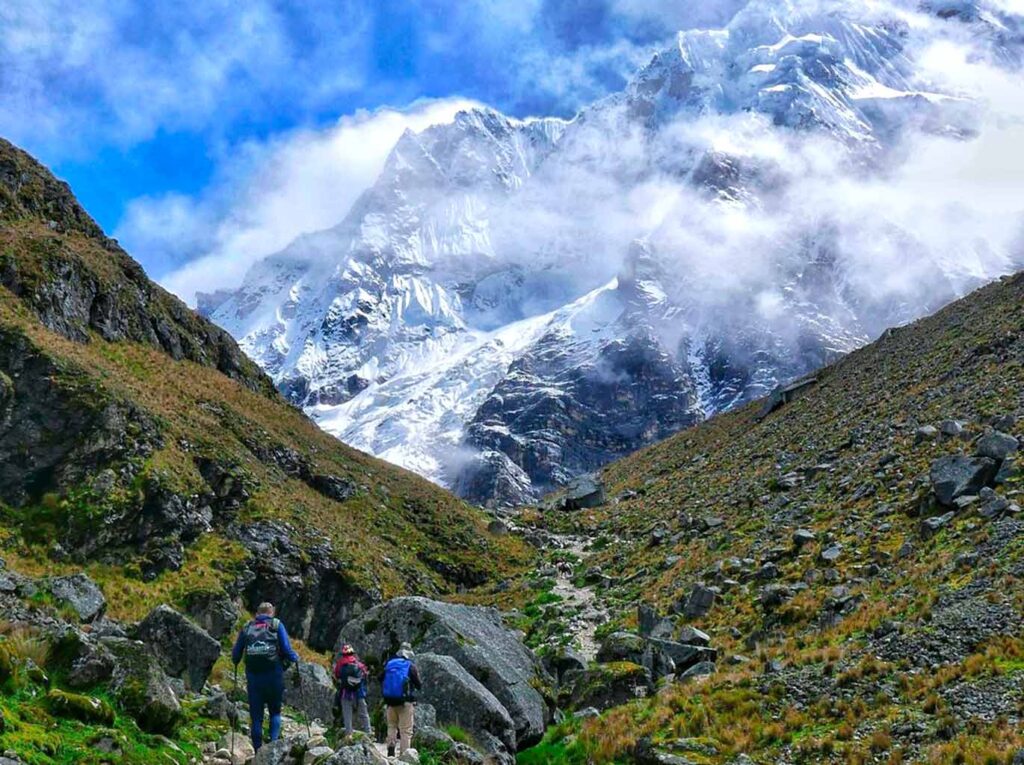
What factors affect distance and time?
Two travelers can take different amounts of time even when they follow the same trail. The distance indicated by an operator is a reference, but the actual effort depends on how each person responds to altitude, terrain, and the day’s conditions.
Planning with extra time helps avoid frustration. Rather than calculating only kilometers, it is best to review the elevation gain, estimated hours, maximum altitude, and support services available during each day.
Fitness level and personal pace
Cardiovascular endurance, leg strength, and previous hiking experience influence your pace. Someone used to going up and down hills may move more comfortably than someone who only trains on flat surfaces.
The trek should not become a competition with other group members. Walking at a sustainable pace reduces the risk of exhaustion and allows better recovery for the following stages.
Altitude acclimatization
Insufficient acclimatization can force you to walk more slowly, take more breaks, or even stop the route. Your first days in Cusco should be used to rest, stay hydrated, and do light activities.
Symptoms of altitude sickness should be taken seriously. A severe headache, nausea, significant weakness, or difficulty breathing require informing the guide and following their instructions, without trying to push ahead.
Weather and trail conditions
Rain, mud, cold, wind, and slippery surfaces can increase the duration of a stage. During the rainy season, some sections require slower steps and greater attention to the terrain.
Conditions can change between morning and afternoon. A waterproof layer, layered clothing, and backpack protection help keep your gear dry and prevent a change in weather from unnecessarily complicating the hike.
Backpack weight
Carrying too much luggage increases the effort, especially during ascents. If the program includes transportation for your main luggage, the most practical option is to hike with only a daypack.
That backpack should include water, a rain jacket, warm clothing, sunscreen, snacks, documents, and necessary personal items. Carrying objects you will not use during the day can affect your pace and increase fatigue in your shoulders and back.
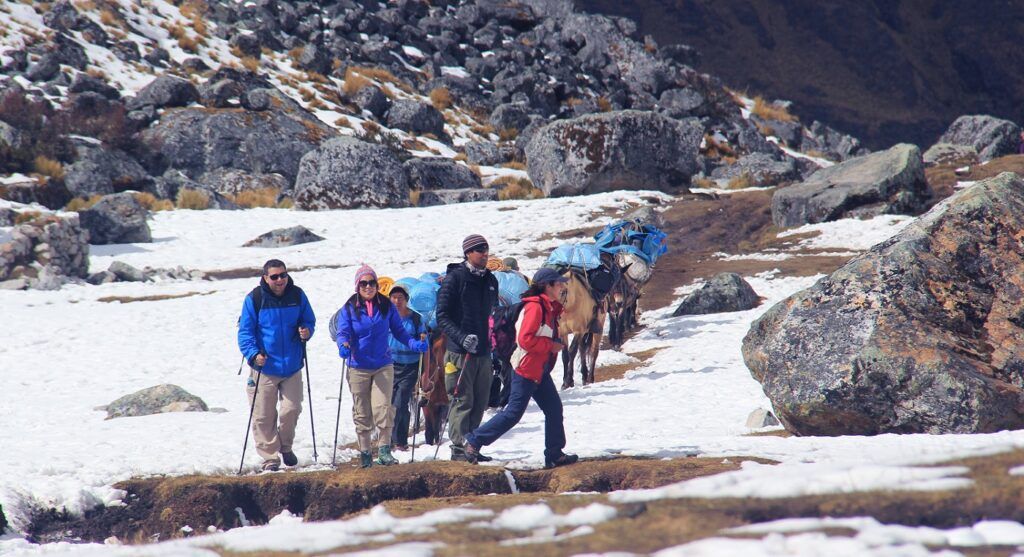
How to prepare for daily hikes
The best preparation combines gradual training, tested gear, and a detailed itinerary review. You do not need to be an athlete, but you should have enough endurance to hike over uneven terrain for several consecutive days.
It is also advisable to arrive in Cusco in advance. Fitness helps, but it does not replace acclimatization or realistic planning for the route you will take.
Train with progressive hikes
It is a good idea to gradually increase hiking distances during the weeks before your trip. Starting with short routes and progressively adding time or elevation gain allows your legs, breathing, and joints to adapt.
Before the trek, it is recommended to complete a few long hikes that come close to several hours of activity. If possible, use the backpack and some of the gear you will take on the route to see how your body responds.
Practice ascents and descents
Training only on flat terrain does not replicate the conditions of the Salkantay Trek. Sustained ascents require cardiovascular endurance, while descents place particular strain on the knees and leg muscles.
Look for stairs, sloping trails, or hill routes to practice. Trekking poles should also be tested before the trip, as using them requires coordination and a length adjusted to your height.
Use your footwear before the trip
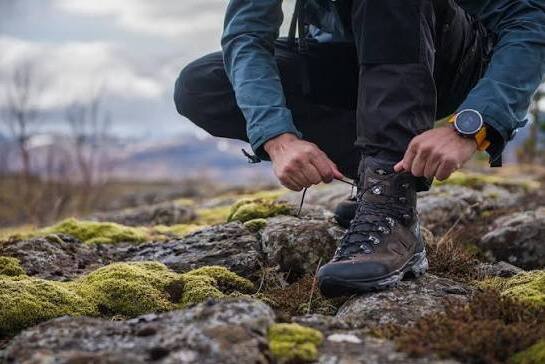
It is not advisable to wear new boots for the first time during the trek. Footwear should be used beforehand on long hikes to make sure it does not cause chafing, pressure on the toes, or ankle discomfort.
A sole with good grip and suitable socks help on wet or uneven trails. Bringing an extra pair of socks can be useful if it rains or your feet get wet during the day.
Review the booked itinerary
Before booking, ask the operator for the distance, estimated duration, elevation gain, and difficulty level of each day. Also ask about campsites, sections with transportation, and the weight you will need to carry yourself.
If you need to confirm the logistics for campsites, tickets, trains, or transportation alternatives, you can consult the Salkantay.tours team directly before deciding on the program. Having these details in writing helps you choose a route that matches your fitness level.
Frequently asked questions
Salkantay Trek distances and hours change according to each operator’s itinerary design. These answers serve as a guide for comparing programs and identifying what information you should request before booking.
How many kilometers is the entire Salkantay Trek?
The total distance depends on the itinerary you choose and can vary according to included transfers, campsites, and alternative routes. Some programs cover more sections on foot, while others reduce kilometers through transportation at specific points.
Do you hike every day?
Most of the program includes hiking, although the last day usually focuses on visiting Machu Picchu and returning to Cusco. Even so, that day may involve hiking if you walk up from Aguas Calientes or choose longer circuits within the archaeological site.
What is the longest day?
Usually, the longest day is either the day crossing Salkantay Pass or the journey toward Hidroeléctrica or Aguas Calientes. The duration depends on the campsite location, booked transfers, and the group’s pace.
Is the 4-day Salkantay Trek easier?
Not necessarily. A four-day program may concentrate a similar distance into fewer days and use more transfers to fit the itinerary. It has the advantage of requiring fewer days, but it may still include long and physically demanding stages.
Can you walk less during the route?
Some itineraries offer transportation or train services on certain sections, especially near Hidroeléctrica or Aguas Calientes. These alternatives are not always included, so you should confirm them before booking and ask about their availability conditions.