


The fitness level required for the Salkantay Trek is moderate to good. You do not need to be an athlete, runner, or professional mountaineer, but you should have the endurance to walk for several hours, tackle elevation changes, and recover between days. The difficulty varies depending on the itinerary you choose, the weather, the weight of your backpack, trail conditions, and how well you adapt to the altitude.
This route requires preparation because it combines consecutive days of hiking with uphill and downhill sections and high-altitude passes. Arriving with prior training, allowing time to acclimatize in Cusco, and having realistic expectations will make a real difference to your safety and comfort along the route.
What fitness level is needed for the Salkantay Trek?
For the Salkantay Trek, a moderate to good fitness level is recommended. Travelers should be prepared to hike for several consecutive days on trails with ascents, descents, rocks, mud, and uneven surfaces, depending on the season.
It is not only about completing a long hike in one day. The challenge lies in sustaining the effort, sleeping, recovering, and hiking again the following day. Proper preparation allows you to maintain a steady pace and enjoy each stage more.
Do you need to be athletic?
You do not need to be a runner, mountaineer, or experienced athlete. Many active people with regular walking or exercise habits can complete the route if they prepare before the trip and respect their own pace.
Sports experience can make it easier to adapt to the effort, but it does not replace acclimatization or careful energy management. Hiking without trying to match other travelers’ pace is usually more helpful than pushing yourself too hard.
Can a beginner do it?
A beginner can complete the trek if they train in advance, acclimatize properly, and choose an itinerary suited to their ability. It should not be considered an easy route, especially because of the elevation changes and the altitude of Salkantay Pass.
For a beginner, it is best to start preparing several weeks or months in advance, try hikes with inclines, and spend enough days in Cusco before starting. It is also advisable to review how the stages are structured before booking.
Recommended fitness level
The recommended fitness level combines cardiovascular endurance, leg strength, stability, and the ability to walk for several hours. You do not need to train like a high-performance athlete, but your body should tolerate prolonged activity without reaching extreme exhaustion.
Good ankle, knee, and hip mobility also helps, as descents require body control. Carrying a daypack, even a light one, adds effort and requires you to maintain stable posture.
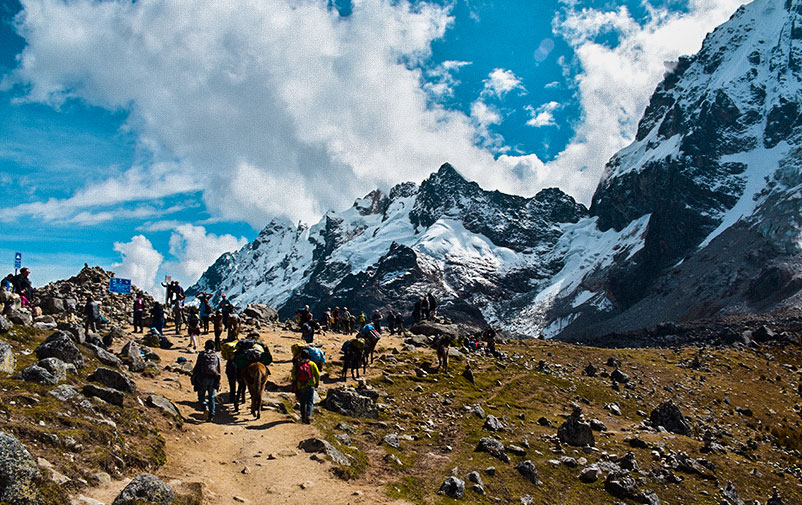
Why the Salkantay Trek is physically demanding
The difficulty of the Salkantay Trek does not depend only on the distance covered. Altitude, accumulated elevation changes, consecutive hiking days, weather, and trail conditions can significantly increase the physical demands.
Two people hiking the same route may experience it differently. Previous mountain experience, acclimatization speed, rest, hydration, and the weight they carry all influence daily performance.
Hiking for several days
Your body must withstand repeated effort for several days and recover in order to continue hiking the next day. Although some stages may feel manageable on their own, accumulated fatigue changes the experience.
For this reason, training only once a week is not always enough. Practicing hikes on consecutive days helps you understand how your legs, feet, and overall energy respond after a long day.
Long ascents and descents
Some stages include sustained slopes that require leg and glute strength. Uphills increase cardiovascular effort, especially at altitude, where breathing may feel more demanding even at a slow pace.
Descents also require preparation. They can cause fatigue in the knees, ankles, and quadriceps, especially if you go down quickly or without proper technique. Taking short steps and using trekking poles can help control the impact more effectively.
Altitude of Salkantay Pass
Salkantay Pass reaches a high altitude, around 4.600 m above sea level. At that point, there is less oxygen available, so physical performance may decline even if you are in good shape.
It is normal to need to walk more slowly and take short breaks. However, symptoms such as a severe headache, nausea, significant dizziness, or difficulty breathing while resting require immediate attention from the guide or staff responsible for the group.
Changing weather and terrain
Along the route, you may encounter cold, wind, rain, mud, loose rocks, and uneven surfaces. These conditions increase the effort because they require more careful walking and may slow your progress.
A common mistake is judging the route only by its kilometers. The same section can require more energy if it rains, is cold, or the trail is slippery. Footwear with good grip, warm layers, and waterproof protection provide greater safety.
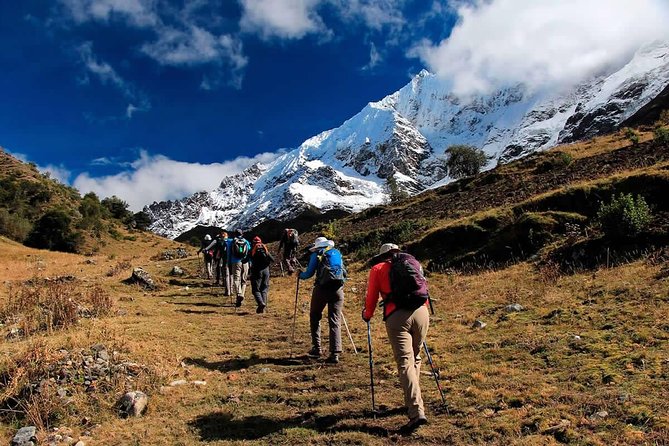
Most important physical abilities
Completing the Salkantay Trek with greater comfort and safety depends on several complementary abilities. Endurance helps you maintain your pace, while strength and stability allow you to respond better to changing terrain.
Preparation does not have to be complicated. A consistent routine combining hiking, strength exercises, and rest is usually more useful than very intense workouts done occasionally.
Cardiovascular endurance
Cardiovascular endurance allows you to maintain a steady hike for several hours without quickly becoming exhausted. It also helps you recover better after an uphill section or a short break.
Brisk walking, cycling, swimming, or using cardio machines are all valid options. The most useful approach is to choose an activity you can do regularly and gradually increase its duration.
Leg and glute strength
Your legs and glutes power movement on climbs, natural steps, and uneven sections. Strengthening them reduces the feeling of effort and improves control on descents.
Squats, lunges, calf raises, and step-ups can be part of a simple routine. Proper technique is a priority, especially if you have previous discomfort in your knees, hips, or back.
Stability and balance
Stability and balance help you walk over rocks, mud, slopes, and surfaces with side-to-side unevenness. They also reduce the risk of falls or sprains when the terrain changes suddenly.
Single-leg support exercises, hikes on safe trails, and ankle strengthening can be useful. It is best to begin on controlled surfaces and gradually increase the difficulty.
Muscular endurance
Muscular endurance allows you to repeat the effort over several days without your legs becoming fatigued too early. It also helps maintain proper posture while carrying a daypack.
Working with moderate loads and multiple repetitions may be closer to the demands of a long hike than trying to lift heavy weight only once. Consistency is more valuable than one isolated high-intensity session.
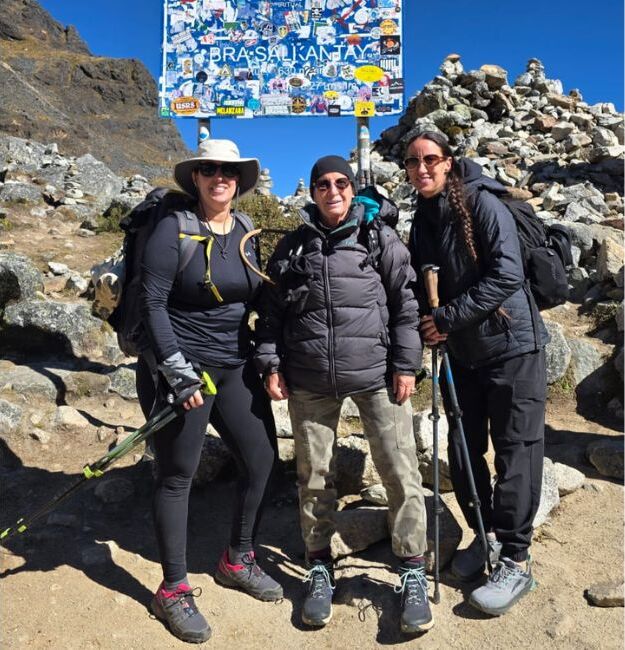
How to know if you are ready for the Salkantay Trek
There is no single test that confirms whether someone is ready for the Salkantay Trek. Still, there are practical benchmarks that can help you assess your preparation before booking or starting your trip.
These signs do not replace a medical evaluation, especially if you have a pre-existing health condition. They help identify whether you need more training, a better-paced itinerary, or professional advice before traveling.
Walking for several hours without extreme exhaustion
You should be able to complete long hikes at a steady pace and finish without intense pain or disabling fatigue. Normal tiredness is expected, but you should not need several days to recover from moderate effort.
Try walking for several hours in your city or on nature trails, with short breaks and good hydration. Observe how your feet, knees, breathing, and energy respond during the following hours.
Completing routes with elevation changes
Trying trails with uphill and downhill sections allows you to assess your breathing, leg strength, and stability. Walking only on flat surfaces does not fully replicate the conditions of the route.
Start with moderate slopes and increase the elevation gain according to your physical response. If you notice persistent joint pain, instability, or disproportionate shortness of breath, it is best to stop increasing the workload and seek professional guidance.
Recovering to hike the next day
A useful sign of readiness is being able to repeat a hike after a night of rest. On the Salkantay Trek, recovery capacity is just as important as performance during a single day.
You can plan two consecutive days of hiking, starting with a shorter route on the second day. This helps your muscles adapt and lets you identify what adjustments you need to make to your footwear, backpack, or pace.
Carrying a small backpack
It is advisable to train with a backpack similar to the one you will use during the trek. Increase the weight gradually and avoid carrying unnecessary items, as every kilogram affects you on ascents and descents.
Your backpack should fit properly, with the weight close to your back and without swaying while you walk. If the program includes transport for your main luggage, you will usually hike only with water, warm clothing, rain gear, documents, and personal items for the day.

How long to train before your trip
Preparation time for the Salkantay Trek depends on your current activity level, hiking experience, and health condition. It is not advisable to leave training until the final weeks: allowing enough time helps your joints, muscles, and cardiovascular capacity adapt without excessive workloads that increase the risk of injury.
Preparation for active people
Those who already walk, run, or cycle can focus on long hikes, routes with elevation changes, and leg exercises. It is also a good idea to practice with a daypack and train on consecutive days, because running or cycling provides a good foundation but does not replace uphill hiking.
Preparation for sedentary people
If you do not engage in physical activity, start earlier and gradually increase duration, frequency, and intensity. Walking regularly is a good starting point. Before beginning a demanding program, consult a healthcare professional, especially if you have been inactive for a long time or have recurring discomfort.
Importance of gradually increasing the workload
Increasing the demands too quickly can cause fatigue, persistent muscle pain, or injuries. Increase frequency or duration first, then add terrain difficulty or backpack weight. Recovery days are part of the process and help you arrive at the trek in better condition.
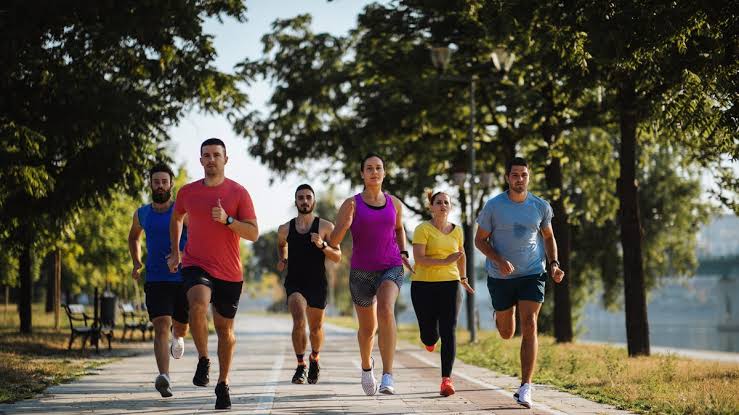
Recommended training for the Salkantay Trek
Preparation for the Salkantay Trek works best when it combines cardiovascular endurance, strength, hikes on varied terrain, and recovery. There is no single routine that works for everyone, as each traveler starts from a different fitness level.
Adapting the intensity to your current level is safer than following a rigid plan. If sharp pain, dizziness, or discomfort that does not improve with rest appears, avoid pushing through it and seek professional advice.
- Long hikes
- Cardiovascular training
- Exercises to strengthen the legs
- Balance and core exercises
- Rest days
Fitness and acclimatization are not the same thing
Good physical fitness does not guarantee that your body will adapt smoothly to altitude. A trained person can also experience altitude-related symptoms, because susceptibility varies from one traveler to another.
For this reason, the fitness level required for the Salkantay Trek should be assessed together with an acclimatization plan. Arriving in Cusco and immediately starting a demanding route increases the risk of feeling unwell and performing less effectively.
Why training does not prevent altitude sickness
Training improves strength and endurance, but it does not prevent altitude sickness on its own. The response to lower oxygen availability depends on individual factors and not only on athletic ability.
A very active person may need more time to adapt than someone who is less trained. For this reason, physical fitness should never be used as a reason to ignore symptoms or speed up the ascent.
Acclimatization days before the trek
It is advisable to spend a reasonable amount of time in Cusco or at an intermediate altitude before starting the route, depending on the itinerary and your individual response. These days allow the body to gradually adapt to the altitude.
The appropriate amount of time may vary. When planning your trip, check with the operator how the initial ascent develops and whether the program includes reasonable adaptation before reaching Salkantay Pass. If you need to arrange logistics and compare itineraries, you can consult directly with the Salkantay.tours team.
Avoid intense effort upon arrival
During the first hours or days at altitude, it is best to do light activities and observe how your body responds. Walking slowly, resting, and staying hydrated may be more appropriate than attempting intense activity as soon as you arrive.
Avoid excessive alcohol consumption and do not underestimate persistent symptoms. Informing your guide about any discomfort from the beginning makes it easier to make safe decisions before the problem worsens.
Frequently asked questions
These answers clarify common questions about physical preparation for the Salkantay Trek. Your personal condition, itinerary, and acclimatization should always be considered before making a decision.
Is the Salkantay Trek suitable for beginners?
It can be suitable for well-prepared and acclimatized beginners who understand that it is a demanding hike. It is advisable to train in advance, choose a well-paced program, and avoid trying to move faster than your own pace.
How many hours should you be able to walk?
Hiking hours vary according to the stage and itinerary. It is advisable to prepare for long days with breaks and train your ability to walk for several hours while maintaining a steady pace.
Is it necessary to train at a gym?
Training at a gym is not mandatory. You can also prepare through hiking, inclines, stairs, and bodyweight exercises. The gym can be useful for strengthening your legs and core, but it does not replace real hikes.
Is running enough to prepare?
Running improves cardiovascular fitness, but it is not enough on its own. It is best to complement it with leg strength, balance, downhill training, and hikes with elevation changes to better adapt to the type of effort required by the route.
Is age a limitation?
Age alone does not determine your ability to complete the Salkantay Trek. General health, prior preparation, acclimatization, and medical advice should be considered when there are doubts or pre-existing conditions.
What happens if I am not fit enough?
If you are not fit enough, you can prepare further in advance, choose a less intense itinerary, or consider another experience that is better suited to your current level. Pushing your body on a high-altitude route can affect your safety and that of the group.