


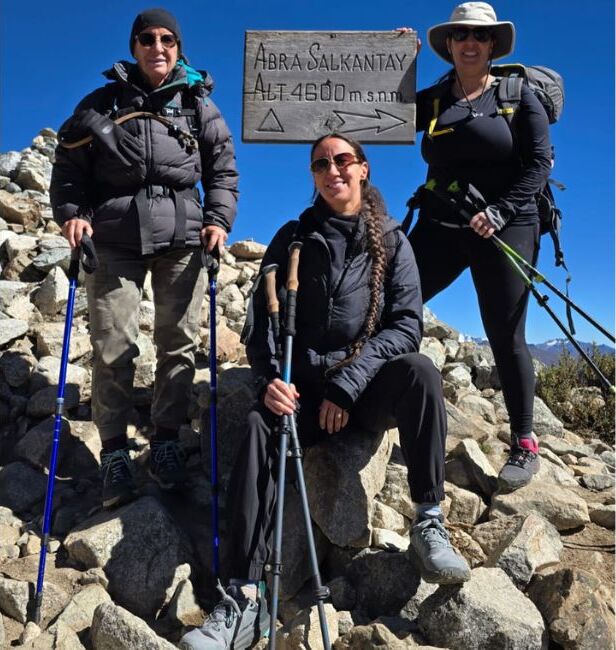
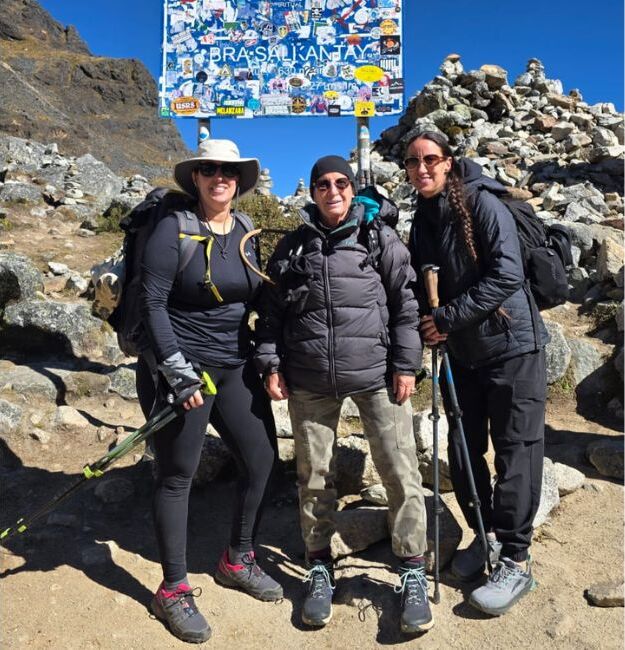
The highest altitude on the Salkantay Trek is reached at the Salkantay Pass, located at approximately 4,630 m above sea level. This is the most demanding section of the route due to the combination of altitude, steep terrain, cold, and lower oxygen availability. Proper physical preparation and spending several days acclimatizing in Cusco help you complete the trek more safely and comfortably.
The difficulty does not depend solely on reaching the highest point. The day’s weather, hiking pace, physical condition, previous rest, and each traveler’s ability to adapt to altitude also play a role. Planning these factors before starting allows you to better enjoy one of the most demanding days of the trek.
What is the highest altitude on the Salkantay Trek?
The highest point on the Salkantay Trek is the Salkantay Pass, located at approximately 4,630 m above sea level. This figure may vary slightly depending on the chosen itinerary, the exact crossing point, the route used, and the tour operator’s measurement system.
Above 4,000 m above sea level, the body may feel the effects of altitude more clearly. For this reason, this hike should not be considered an easy route, even if the traveler has experience hiking at lower elevations.
Salkantay Pass, the highest point on the route
The Salkantay Pass is a mountain pass located between the highest sections of the route. Reaching it requires a gradual ascent from campsites or towns at lower altitudes, usually during a sustained morning hike.
This area is defined by typical high-mountain conditions: cold air, wind, rapid temperature changes, and less available oxygen. Depending on the season, the terrain may include steep sections, uneven surfaces, and wet or slippery areas.
On which day is the highest altitude reached?
Normally, the Salkantay Pass is reached on the second day of traditional itineraries. It is usually the day with the main ascent and the greatest exposure to altitude along the route.
The exact day may change depending on the length of the program, the starting point, the location of the first campsite, and how each group is organized. Some itineraries distribute distances differently, so it is advisable to review the daily plan before booking.
Weather conditions at the highest point
At the Salkantay Pass, you may encounter low temperatures, strong winds, rain, fog, or sudden weather changes. Mornings are usually colder, while rainfall may be more frequent at certain times during the rainy season.
Conditions can also change during the same day. A clear morning does not guarantee that the pass will remain free of wind or fog, so keeping rain gear and warm layers easily accessible in your backpack is more practical than storing them at the bottom of your luggage.
How does altitude affect you during the Salkantay Trek?
Hiking above 4,000 m above sea level can cause greater fatigue, rapid breathing, headaches, or reduced physical performance. The highest altitude on the Salkantay Trek requires managing your effort, as activities that seem easy at lower elevations may require more time and energy.
Each person reacts differently to altitude. Being physically fit helps you hike better, but it does not guarantee immediate adaptation. Even a trained traveler may feel unwell if they ascend too quickly or do not allow enough time to acclimatize.
Common symptoms of altitude sickness
Some people may experience headaches, dizziness, nausea, unusual fatigue, loss of appetite, or difficulty sleeping. These symptoms may appear during the first few days in Cusco or worsen as you approach the highest parts of the trek.
The intensity and duration of discomfort vary from person to person. It is not advisable to ignore these symptoms or assume they will disappear by walking faster. Resting, communicating how you feel, and following the guide’s plan allow for safer decisions along the route.
How to recognize soroche during the hike
Soroche can be identified by discomfort that appears or worsens during the ascent, especially when combined with a headache, unusual fatigue, dizziness, or greater shortness of breath than expected from the effort. Paying attention to changes in symptoms is more useful than comparing yourself with other members of the group.
If you feel any discomfort, inform the guide immediately. It is not advisable to continue at a forced pace just to catch up with the group, as this can worsen exhaustion and make it harder to properly assess the situation.
When to rest or inform the guide
You should rest and notify the guide when symptoms make it difficult to walk, breathe normally, or keep your balance. You should also report it if headaches, nausea, or dizziness worsen instead of improving during a break.
The trekking staff can assess the traveler’s condition and determine the pace or actions to follow within their protocols. Following their instructions is the most prudent option, especially in areas near the Salkantay Pass.
How many days do you need to acclimatize?
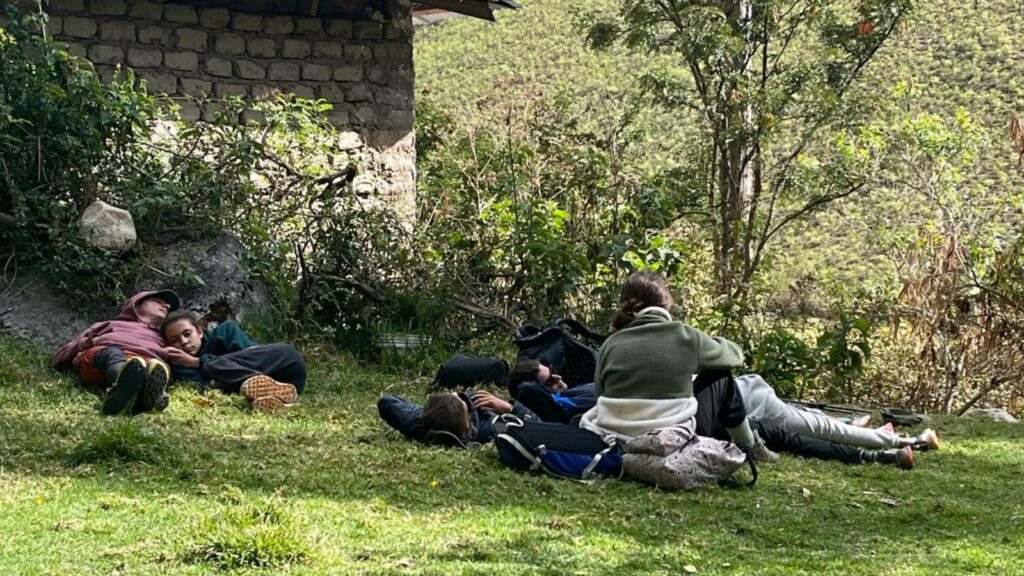
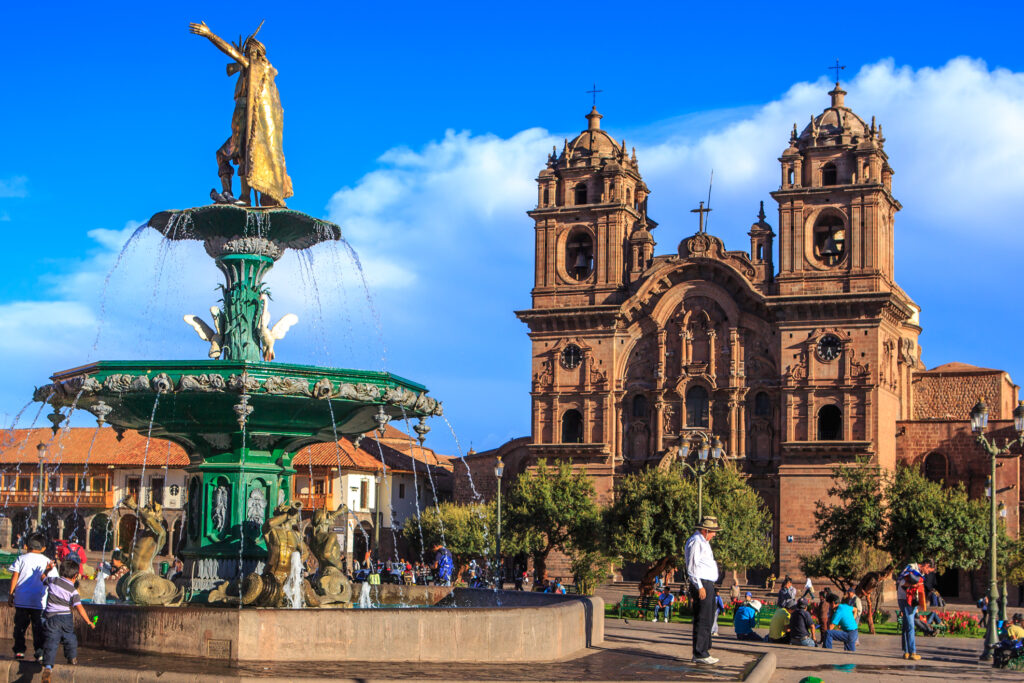
It is recommended to spend at least two or three days in Cusco or another high-altitude location before starting the Salkantay Trek. This time allows the body to begin adapting before facing the ascent to approximately 4,630 m above sea level.
Some people may need more days, especially if they arrive from cities near sea level, have little experience at high altitude, or notice persistent discomfort. Leaving extra time in your itinerary reduces the pressure of having to start the trek before feeling ready.
What to do during acclimatization days
During the first few days, it is best to do relaxing activities, rest well, and stay hydrated. Walking around urban areas of Cusco at an easy pace may be enough to observe how your body responds without adding a heavy physical load.
It is also advisable to avoid intense exertion during your first hours at altitude. Sleeping too little, arriving late after a long flight, or filling your first day with demanding visits can leave you with less energy for initial adaptation.
Recommended hikes before the trek
Short, gradual hikes around Cusco can help you find each person’s comfortable pace. Ideally, choose routes that allow you to return easily to the city if fatigue or discomfort appears.
It is not advisable to take on overly demanding routes immediately after arriving. A long ascent at high altitude on the first day can hinder acclimatization and cause fatigue before starting the Salkantay Trek.
Mistakes to avoid while acclimatizing
It is not advisable to start intense activities on the day you arrive, walk too fast, or plan long days without resting first. Another common mistake is thinking that youth or fitness can replace the process of adapting to altitude.
It is also best to avoid getting too little rest or ignoring altitude-related symptoms. If your body shows signs of discomfort, the best decision is to slow down and adjust your plan before starting a multi-day route.
How should you prepare physically for altitude?
Good physical preparation helps you handle hours of hiking, long ascents, and changing terrain on the Salkantay Trek. Training does not eliminate the effects of altitude, but it improves overall endurance, leg strength, and your ability to maintain a steady pace.
Preparation should be adapted to each traveler’s current fitness level. Someone who does not exercise regularly needs to progress more gradually than someone used to long hikes, avoiding sudden increases in training load.
When to start training
It is advisable to start preparing several weeks before your trip. The time needed depends on physical condition, age, previous experience, and how often the person does endurance activities.
Those starting with a low fitness base may need a longer period to adapt to hiking. The goal is not to train to the limit, but to arrive ready to walk for several hours without becoming completely exhausted on the first day.
Exercises to improve endurance
Cardiovascular activities such as walking, light jogging, cycling, or climbing stairs help improve endurance. You can begin with moderate sessions and gradually increase the duration, distance, or intensity.
Walking regularly is especially useful because it resembles the movement you will do during the trek. If possible, include routes with different surfaces to get used to adjusting your stride on dirt, stone, or uneven trails.
Training for ascents and slopes
Hiking on routes with elevation gain helps strengthen your legs and prepare your body for the ascent to the Salkantay Pass. Sustained climbs build muscular endurance and teach you how to manage a slow pace without stopping constantly.
It is also worth practicing descents to improve stability and reduce strain on your knees and ankles. On long downhills, body control and proper footwear are just as important as the strength needed to climb.
Preparation during the final week
During the final week, it is better to reduce the intensity of your training. Easy walks or light mobility work can be helpful, but do not try to make up for a lack of preparation with exhausting last-minute sessions.
Resting properly and avoiding activities that could cause injuries help you arrive in better condition. Checking your footwear, trying on your clothing layers, and organizing your backpack are also part of pre-trip preparation.
What should you bring to face the highest altitude?
To handle the highest altitude on the Salkantay Trek, you need items that protect you from cold, wind, rain, and solar radiation during the ascent to the Salkantay Pass. The key is to carry functional, easy-to-use gear suited to weather changes during a single day.
Your daypack should contain only what you need to hike comfortably. Carrying excessive weight makes the ascent more demanding and can increase fatigue, especially in the highest sections.
Appropriate clothing for cold and wind
It is recommended to bring thermal clothing, a warm mid-layer, and a waterproof or windproof jacket. This combination allows you to respond to temperature changes without relying on a single very heavy garment.
Temperatures can change quickly along the route. Your body generates heat while hiking uphill, but when you stop or are exposed to wind near the pass, you may feel cold within minutes.
How to dress in layers
The layering system allows you to add or remove clothing depending on temperature, wind, and exertion level. A base layer helps manage body moisture, a mid-layer provides warmth, and an outer layer protects against rain or wind.
Dressing in layers prevents you from hiking while overheated and sweaty, which can be uncomfortable when you stop in cold areas. It is better to adjust your clothing before you feel too cold or too warm.
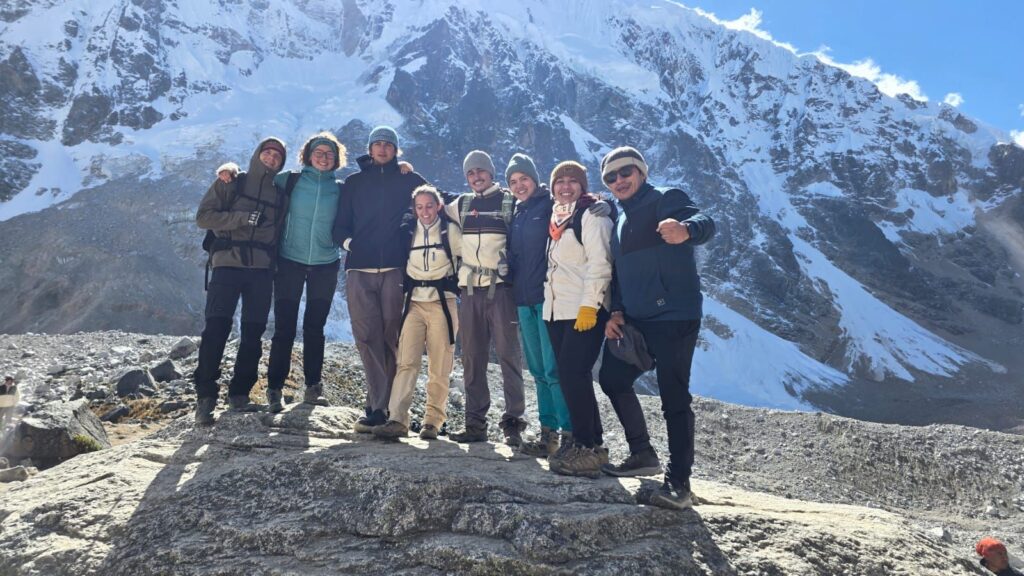
Essential accessories for the Salkantay Pass
For the Salkantay Pass, it is advisable to include a hat, gloves, sunglasses, sunscreen, trekking socks, and rain protection. These items protect parts of the body that are particularly exposed to low temperatures, wind, and high-altitude radiation.
Gear may vary depending on the season, but you should not skip sun protection just because the day is cloudy. Fog, wind, and rain can alternate quickly in the high sections of the route.
What to carry in your backpack during the ascent
During the ascent, it is recommended to carry water, snacks, waterproof clothing, extra warm layers, and essential personal items. Keeping these items within reach prevents you from stopping for too long to search through your backpack.
Your backpack should be comfortable, fit well against your back, and remain as light as possible. Before starting the hike, it is worth checking which items are truly necessary so you do not carry weight that will not be used during the day.
Tips for reaching the highest point safely
Reaching the Salkantay Pass safely depends on managing your effort from the start of the day. The ascent is not won through speed: a steady pace, well-timed breaks, and attention to symptoms are usually more effective than trying to move quickly.
Trail conditions can change the expected time. If there is rain, mud, wind, or fog, it is normal for the group to move more carefully and for the route to require more patience.
Walk at a slow and steady pace
Maintaining a sustainable pace helps conserve energy and makes it easier to adapt to exertion at altitude. Short, regular steps usually work better than speeding up during the first sections and stopping exhausted shortly afterward.
It is not advisable to compete or try to keep up with other people’s pace. Each traveler has a different ability to adapt, and respecting your own pace allows you to reach the highest point with less exhaustion.

Control your breathing during the ascent
Taking deep breaths and maintaining a pace that allows controlled breathing helps on slopes. If talking becomes very difficult or your breathing becomes too labored, it may be a sign to slow down.
Short breaks can help you recover your rhythm without cooling your body too much. When stopping, it is best to find a safe place, put on warm clothing if it is windy, and continue only when your breathing feels steadier again.
Stay hydrated and rest
Drinking water regularly and making the most of breaks helps maintain performance during a long day. Thirst does not always immediately reflect your need for fluids, especially in cold weather.
Taking short, organized breaks allows you to regain energy without losing too much body heat. Easy-to-carry snacks can also help sustain your effort between the trek’s scheduled meals.
Follow the guide’s instructions
The guide knows the route, weather conditions, and safety protocols applied during the ascent. Their recommendations on pace, breaks, equipment, and behavior at the pass should be part of your day’s plan.
If you feel any discomfort, report it without waiting for it to worsen. Communicating it early allows the responsible team to assess the situation and support the traveler according to trail conditions.
Is high-mountain experience necessary?
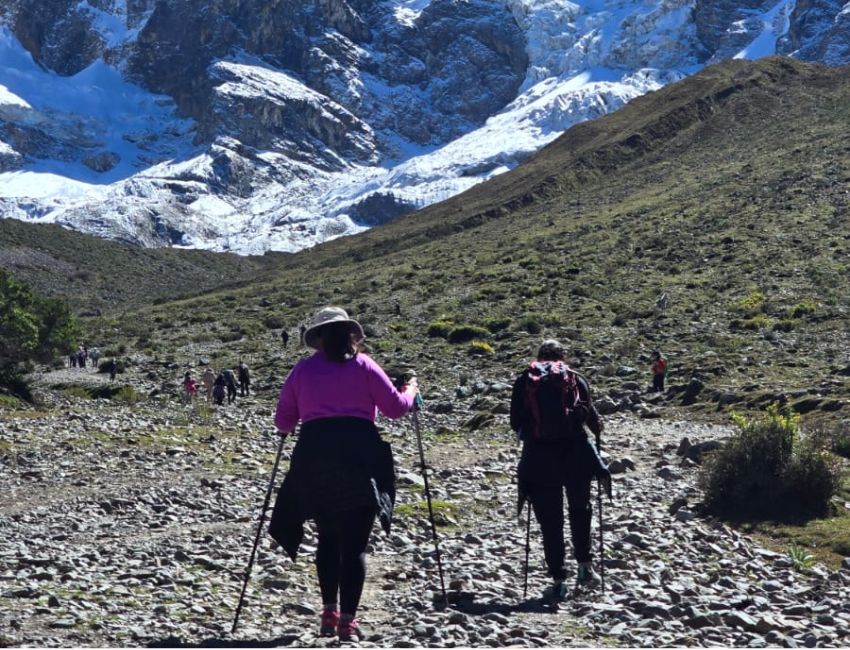
Technical mountaineering experience is not normally required to complete the Salkantay Trek. It is not an expedition that requires climbing knowledge, but it does demand good physical fitness, prior preparation, and the ability to walk for several hours on terrain with elevation changes.
Experience on long hikes is recommended because it helps you understand your personal pace, manage fatigue, and use your gear correctly. For beginners, preparation and acclimatization are even more important.
Recommended fitness level
You should be prepared to walk for several hours, handle slopes, and recover between consecutive days. Cardiovascular endurance and basic leg strength make it easier to manage ascents and descents.
You do not need to be an athlete, but arriving without training can make the route a very physically demanding experience. Gradual preparation beforehand allows you to assess whether the level of effort is within your abilities.
Importance of hiking experience
Having completed long hikes or routes with elevation gain can help you understand your own pace and improve your adaptation to exertion. It also helps you identify which type of footwear, backpack, and clothing are most comfortable for several hours at a time.
Those without experience can start with short routes and gradually increase the difficulty before the trip. Practicing with the gear you will use in Peru helps identify discomfort and make adjustments in advance.
When to seek advice before the trip
People with medical conditions, a history of altitude-related issues, or doubts about their physical condition should consult a healthcare professional before doing the trek. This recommendation also applies to those who have had severe reactions to altitude on previous trips.
Prior medical advice allows you to make an informed decision about the trip and better organize your acclimatization days. During the hike, any concerning symptoms should be reported to the guide immediately.
Frequently asked questions about the Salkantay Trek altitude
These answers address common questions about the route’s highest point, acclimatization time, and recommended level of preparation. The final answer may vary depending on physical condition, weather, and the booked itinerary.
How many meters above sea level is the Salkantay Pass?
The Salkantay Pass is located at approximately 4,630 m above sea level. Some sources may show slight differences due to the route taken, the specific measurement point, or the device used. When planning your effort, consider that it is an area above 4,600 m above sea level.
Which section is the most difficult because of altitude?
Normally, the ascent to the Salkantay Pass is the most demanding section due to the combination of steep terrain, altitude, and low temperatures. Fatigue may increase as you gain elevation, so it is best to maintain a slow, steady pace suited to your breathing.
How many days should I acclimatize in Cusco?
At least two or three days in Cusco are generally recommended before starting the trek. The required time may vary depending on each person, where they come from, their altitude experience, and how their body responds during the first few days. If your itinerary allows, adding one extra day provides more flexibility.
Can a beginner reach the highest point?
A beginner can complete the ascent with good physical preparation, sufficient acclimatization, appropriate equipment, and a controlled pace. Technical mountaineering experience is not required, but you do need to be willing to walk for several hours and follow the guide’s instructions throughout the day.
Is it very cold at the highest point?
Temperatures can be low at the Salkantay Pass, especially in the morning, during the dry season, or when it is windy. Rain, fog, and rapid weather changes may also occur. Bringing thermal clothing, warm layers, and waterproof protection helps you hike more comfortably.