


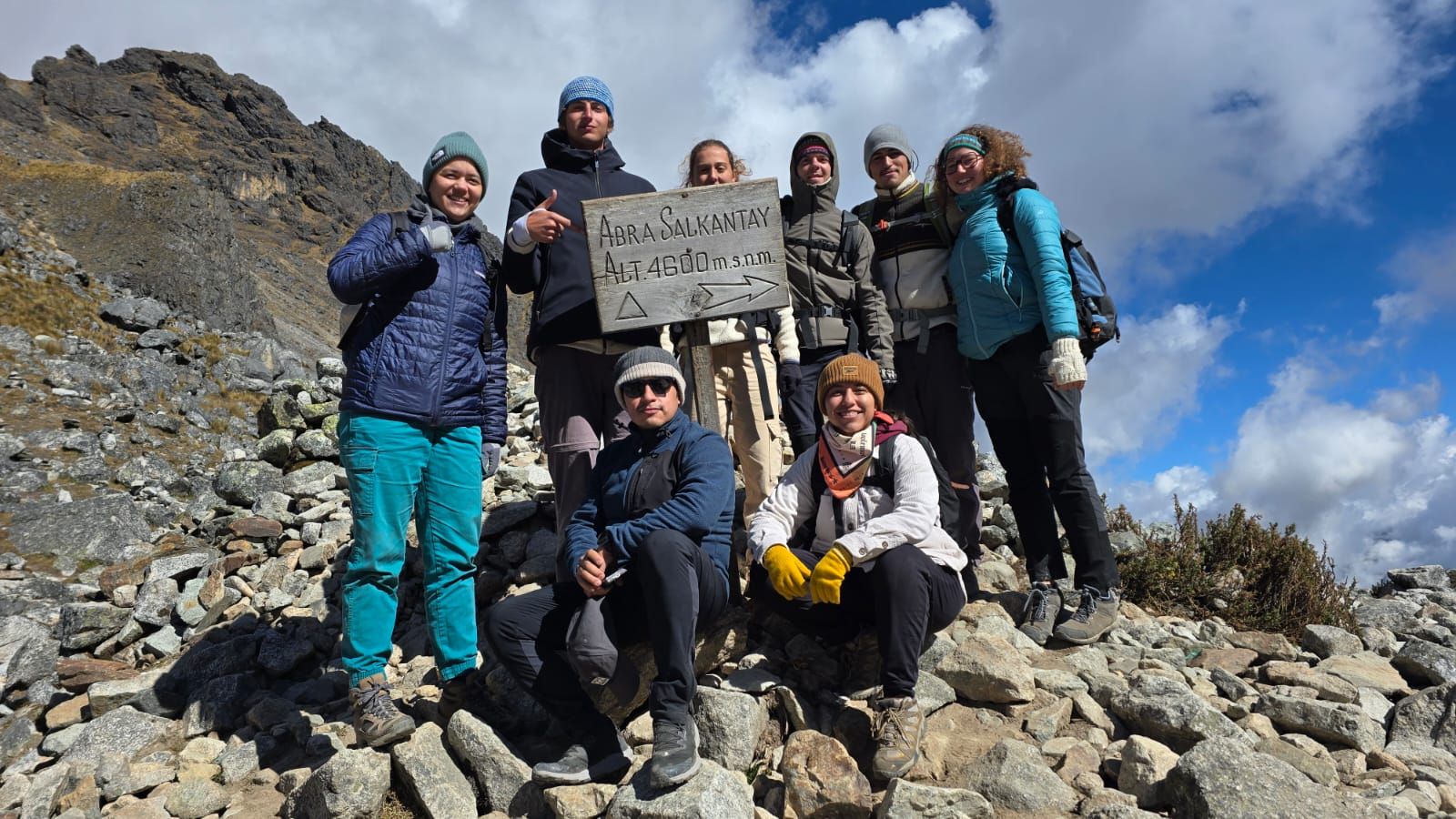
To learn how to train for the Salkantay Trek, combine long hikes, cardiovascular training, leg strengthening and practice on hilly terrain. It is best to start well in advance and gradually increase the duration and intensity according to your fitness level, previous experience and how your body responds.
This route requires walking for several hours over multiple days, tackling long ascents, demanding descents and changing surfaces. You do not need to be an athlete, but you should arrive with a fitness base that allows you to enjoy the route more safely, manage fatigue and recover between days.
How far in advance should you start training?
Preparation time depends on your current fitness level, whether you exercise regularly and your trekking experience. An active person can prepare for specific aspects of the route in less time, while someone who is sedentary usually needs a more gradual process.
As a general reference, eight weeks allow you to organize progressive training. However, if you have not trained for a long time, have little experience walking on slopes or want to improve at a comfortable pace, it is best to start several months before your trip.
Preparation for active people
Those who exercise regularly already have a base level of endurance or strength. In their case, the goal is to adapt that fitness to the specific demands of a multi-day hike, especially with elevation gain and a backpack.
It is best to focus on long hikes, slopes, descents and consecutive days of activity. Running or going to the gym helps, but practicing on trails or stairs better prepares your legs for the type of effort required on the Salkantay Trek.
Preparation for sedentary people
If you do not exercise regularly, start further in advance with activities at a comfortable intensity. Walking regularly is a good first step, as long as you gradually increase the frequency, duration and difficulty.
Avoid comparing yourself with people who already train. Progress should be tailored to your personal level, prioritizing consistency, technique and recovery. If you have doubts about your ability to sustain prolonged exertion, seek professional guidance before increasing the workload.
Why you should not train at the last minute
Suddenly increasing your effort can cause accumulated fatigue, intense muscle soreness, joint discomfort or injuries just before your trip. Your body needs time to adapt to long hikes, backpack weight and slopes.
Training in advance also allows you to identify issues with your footwear, trekking poles or backpack. Arriving rested at the start of the route is usually more useful than trying to make up for weeks of inactivity with very intense workouts in the final days.
Cardiovascular training for the Salkantay Trek
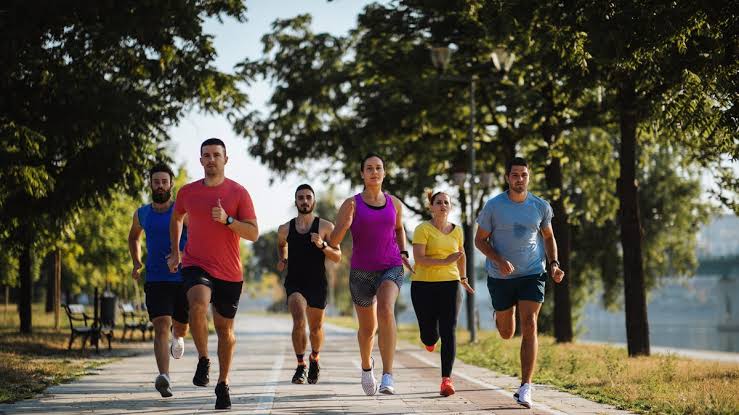
Cardiovascular endurance helps you walk for several hours and tackle long ascents without your breathing becoming difficult too quickly. This type of training improves the ability of your heart and lungs to sustain continuous activity.
You do not need to train at maximum intensity all the time. For trekking, it is more useful to get used to maintaining a moderate, steady pace for increasingly longer periods, with short breaks when needed.
Brisk walks
Brisk walks are one of the most direct ways to prepare your body. Start with comfortable routes in parks, quiet streets or safe trails, keeping a pace that slightly raises your breathing without preventing you from talking.
Gradually increase the time and distance. You can begin with short walks and add longer routes week by week. Consistency usually produces better results than doing a single demanding hike occasionally.
Cycling, swimming and other alternatives
Cycling, swimming, elliptical training and other low-impact aerobic activities can complement hiking. They are useful alternatives for building endurance without placing as much strain on your joints, especially if you are just starting out or need variety in your routine.
These activities do not completely replace hiking on slopes because they do not replicate the foot placement, balance or descents of trekking. Use them as a complement, especially on active recovery days or when you do not have access to trails.
Stair or hill training
Stairs, hills and inclined trails prepare you better for elevation changes than walking only on flat ground. Climbing intensely engages your legs, glutes and cardiovascular system, three elements needed for uphill sections.
Start with short slopes and control your pace. The goal is not to climb as fast as possible, but to maintain steady breathing and safe technique. As you gain confidence, you can increase the duration of the climbs or repeat the route several times.

Strength exercises for trekking
Strength training helps you handle climbs, descents and uneven terrain with greater control. Your legs drive movement, your glutes support ascents and your core stabilizes your body when you carry a backpack.
You do not need to use machines or lift heavy loads to see benefits. Modified bodyweight exercises can be enough when performed with good technique, progression and adequate rest.
- Leg strengthening
- Glute strengthening
- Core and back strengthening
- Knee and ankle preparation
Long hikes before your trip
Long hikes are a central part of training for the Salkantay Trek because they help your body get used to sustained activity. They also help you test your pace, hydration, snacks and the equipment you will use during your trip.
Training should progressively resemble trekking conditions. You do not need to replicate the exact route, but it is a good idea to practice longer distances, elevation gain, uneven terrain and, on some occasions, hikes on consecutive or nearby days.
Gradually increasing distance
Start with distances that are manageable for your level and increase them gradually. The goal is to finish each outing with reasonable fatigue, without feeling exhausted for several days or experiencing joint pain that disrupts your usual routine.
Avoid sudden changes in mileage. If a hike felt too difficult, repeat a similar distance before moving forward. Listening to your body’s response is more useful than following a fixed number of kilometers.
Practicing on varied terrain
When safe routes are available, walk on dirt, rocks, slopes and uneven surfaces. These terrains require more attention, balance and strength than a flat sidewalk, making them more similar to trekking conditions.
Start with easy, familiar trails. There is no need to seek technical routes or expose yourself to risks. The goal is to learn how to place your feet safely, maintain balance and adjust your pace when the surface changes.
Taking hikes on consecutive days
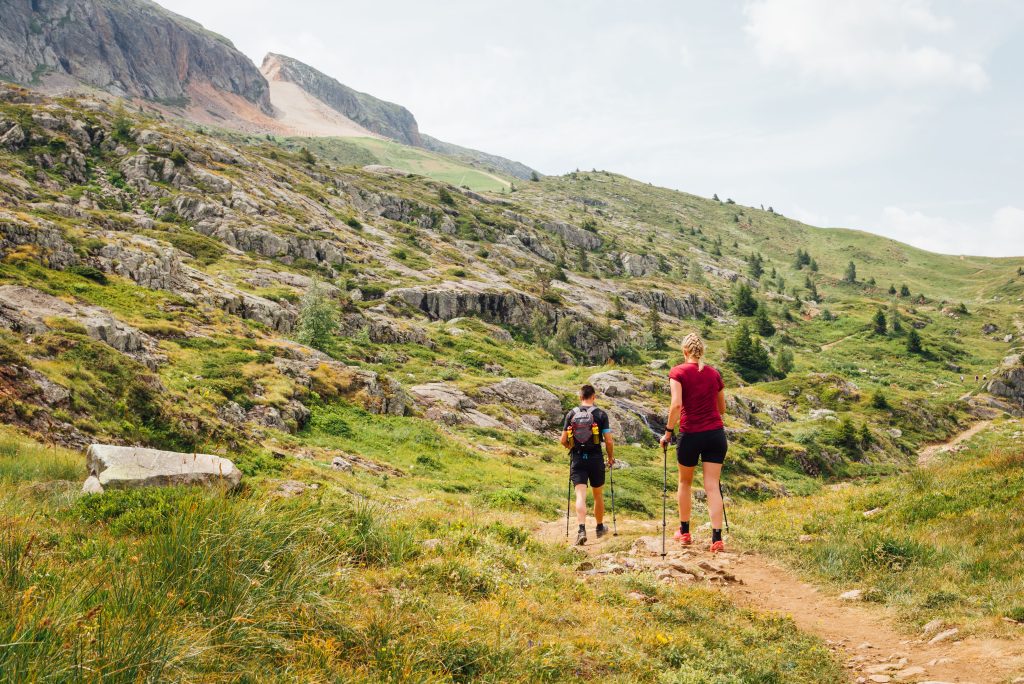
Hiking on nearby or consecutive days allows you to assess your recovery capacity. On the Salkantay Trek, you do not hike for only one day, so your body must be ready to perform again after resting overnight.
This practice can be included during the final weeks of preparation. Maintain an intensity suitable for your level and do not turn both days into an extreme effort. The idea is to observe how your legs, feet and energy feel the following day.
How to train for ascents and descents
The Salkantay Trek includes demanding ascents and descents that can cause muscle fatigue. Preparing for both movements is necessary, as many people focus on climbing and discover that going downhill also requires technique, strength and concentration.
Practicing slopes before your trip helps you find a sustainable pace and reduce strain on your knees and ankles. Do it in safe places, with suitable footwear and gradual progression.
- Training for ascents
- Training for descents
- Using trekking poles
Training with a backpack
It is advisable to do some hikes with a backpack similar to the one you will carry on the route. This helps your shoulders, back and posture adapt, while also identifying possible chafing or uncomfortable adjustments before starting the trek.
Your daypack should carry only what you need. During training, simulate the approximate volume and weight you will use without turning every outing into an excessive load test.
Starting with light weight
Start with little weight and add load progressively. Carrying unnecessary items does not improve preparation and can increase the risk of discomfort in your shoulders, back, knees or feet.
The weight should feel stable and manageable. If it changes your posture, causes strong pressure on your shoulders or creates lower back pain, reduce the load and check the fit before continuing with longer hikes.
What to carry during practice hikes
To simulate a daypack, you can carry water, a warm layer, sun protection, a lightweight waterproof layer, snacks and basic personal items. This will allow you to check how the weight is distributed and which items are truly useful.
Use these outings to test your hydration and the accessibility of each item. What you need frequently, such as water, sunscreen or a light jacket, should be within reach without having to empty your entire backpack.
Adjusting your backpack correctly
Adjusting the straps and distributing the weight helps prevent discomfort in your shoulders and back. The backpack should sit close to your body, without swaying from side to side or hanging too low.
Place the heaviest items close to your back and at mid-level. Adjust the shoulder straps first, then the hip belt if your model has one, and finally the stabilizer straps. Make small adjustments until you find a comfortable position.

8-week training plan
This eight-week plan is a flexible example for organizing your preparation. It is not a personalized medical or sports program, so you should adapt it to your fitness level, available time, previous injuries and hiking experience.
Progression may be slower if you are just starting out. If you are already active, you can use it as a guide to include long hikes, elevation gain, a backpack and recovery without concentrating all the effort in the final days.
Weeks 1 and 2: build a foundation
During the first two weeks, combine comfortable walks with moderate cardiovascular exercise and light strength sessions. The goal is to establish a sustainable routine, not to reach exhaustion.
Walk on mostly flat terrain, practice basic leg and core exercises, and set aside days for rest. If you notice that the workload is excessive, reduce the duration before moving on to more demanding terrain.
Weeks 3 and 4: increase duration
At this stage, you can gradually increase hiking time and add slopes, stairs or varied terrain. Continue strength sessions and begin observing how your body responds after somewhat longer routes.
One of your weekly hikes can be longer than the others, as long as it stays within a manageable level. Add uphill sections without trying to maintain a fast pace, and practice controlled descents.
Weeks 5 and 6: practice demanding days
Weeks five and six are suitable for including longer hikes, backpack training, and ascent and descent practice. This is the time to test the footwear, trekking poles and clothing you plan to use.
Intensity should remain progressive. If you complete a demanding outing, allow enough time to recover. Do not try to improve every aspect at once; prioritize hike quality and the absence of persistent pain.
Week 7: simulate the trek effort
During week seven, you can do long hikes on nearby or consecutive days while maintaining an intensity appropriate for your level. This helps you check recovery, gear performance and energy management.
There is no need to replicate the total distance of a trek day. A useful simulation is one that allows you to walk for several hours, include elevation gain and get up the next day able to move without extreme exhaustion.
Week 8: reduce the workload and recover
During the final week, reduce your training volume and maintain light activities. Gentle walks, mobility work and comfortable stretching can help you keep your routine without creating accumulated fatigue.
Avoid intense sessions immediately before your trip. The goal is to start the route with rested legs, regulated sleep and your gear ready, not to try to gain fitness in the final days.
Rest and recovery during preparation
Training more does not always mean preparing better. Your body needs time to repair muscles, adapt to exertion and restore energy. Without rest, fatigue accumulates and the risk of discomfort or injury increases.
Recovery is part of training for the Salkantay Trek. Planning it allows you to stay consistent for several weeks and arrive on your trip in more stable condition.
- Rest days
- Sleep and nutrition
- Discomfort that should not be ignored
Training and acclimatization are not the same
Being well trained improves your ability to walk, but it does not protect you from altitude sickness. The Salkantay Trek reaches high-altitude areas where your body must adapt to lower oxygen availability.
A person in good physical condition can also experience altitude symptoms. Therefore, physical preparation should be complemented by proper acclimatization, a cautious pace and constant communication with your guide.
Acclimatizing before starting the trek
Set aside a few days in Cusco or at an intermediate-altitude area before beginning the route. This time allows your body to start adapting and lets you observe how you respond to the altitude.
The number of days needed may vary between travelers. Planning this buffer also prevents you from starting the trek immediately after a flight or long transfer, when fatigue can make adaptation more difficult.
Avoiding intense exertion upon arrival
During your first days at altitude, begin with light activities and avoid intense workouts. Walking slowly, staying hydrated, eating properly and resting are usually more beneficial than trying to maintain your normal exercise routine.
Observe how your body responds before doing longer hikes. Acclimatization does not speed up by forcing exertion; each person may need a different pace to feel stable.
Communicating any symptoms
Headaches, dizziness, nausea or unusual weakness should be reported to your guide. Do not downplay symptoms or try to hide them to avoid delaying the group.
The team in charge of the route can guide you according to the situation and apply the appropriate protocols. If you are planning your itinerary and acclimatization days, the Salkantay.tours team can help you organize the logistics before the trek.
Common training mistakes
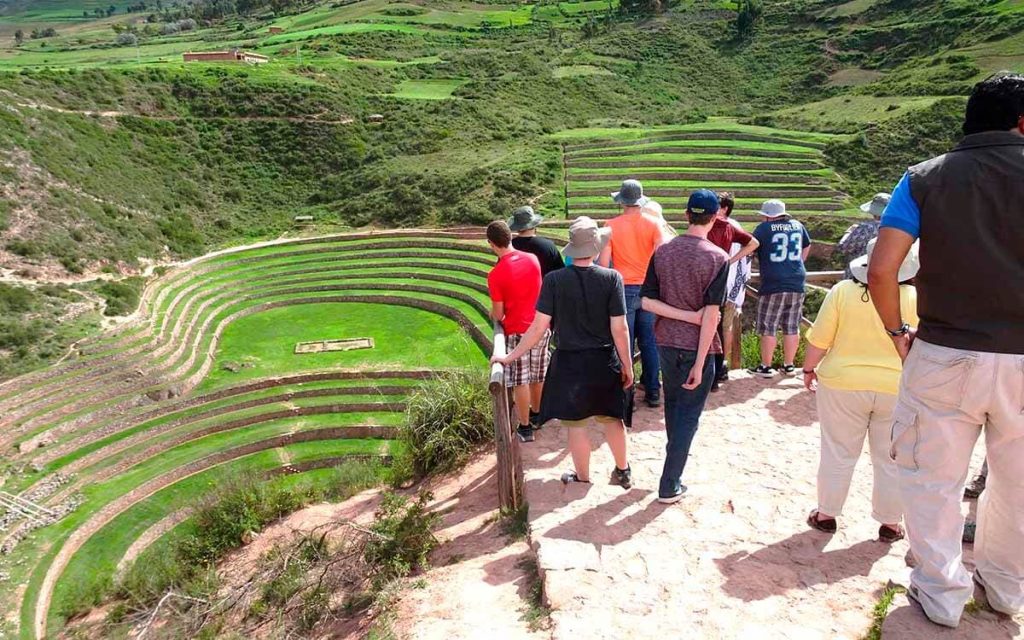
Some practices can affect your preparation or increase the risk of discomfort. The most common mistakes involve progressing too quickly, training in a way that is not specific enough or ignoring signs of fatigue.
Avoiding these problems does not require a complicated routine. Gradual planning, using your gear beforehand and allowing enough recovery usually make a clear difference before starting the trek.
- Increasing intensity too quickly
- Training only on flat terrain
- Not including strength exercises
- Breaking in footwear during the trip
- Training intensely in the final days
Who should consult a professional
A medical or professional assessment is recommended when there are doubts about your ability to perform prolonged exercise and walk at high altitude. Training information is general and does not replace guidance tailored to your health.
Consulting before increasing the workload helps identify limits, adjust activities and travel more safely. This is especially relevant if you have medical history, injuries or long periods of inactivity.
People with pre-existing conditions
People with heart, respiratory, joint or other health conditions should consult a professional before planning a multi-day trek. Altitude and prolonged exertion may require specific precautions.
Clearly explain the type of activity you will undertake, the approximate duration of the hikes and altitude exposure. Follow the guidance you receive and do not stop or modify treatments without medical advice.
People with recent injuries
If you have a recent injury or pain that does not fully go away, have it assessed before increasing the workload. Pushing your knees, ankles, back or feet during preparation can worsen discomfort that seemed minor.
A professional can advise whether it is best to rest, undergo rehabilitation or modify the exercises. Waiting until the trip to see how an injury responds is not a safe strategy.
People who have not exercised for a long time
Those who have not exercised for a long time should start gradually with comfortable walks and low-impact activities. Initial improvement can be quick, but joints and muscles need to adapt without rushing the process.
Seek professional guidance when necessary, especially if symptoms appear during exertion. Consistent and realistic preparation is usually more effective than trying to follow advanced routines from the first day.
Frequently asked questions
These answers clarify common questions about physical preparation for the Salkantay Trek. Every traveler has different fitness levels, so it is important to adjust training while keeping recovery and acclimatization in mind.
How many weeks are needed for training?
It depends on your initial fitness level, trekking experience and usual activity. Eight weeks can be a useful reference for progressive preparation.
Sedentary people usually need more time than those who exercise regularly. Starting early allows you to increase the workload without forcing your body.
Is running enough?
Running improves cardiovascular endurance, but it does not fully replicate the effort of walking for several hours with elevation gain and a backpack. On its own, it is usually not enough.
It is best to complement it with hikes, strength exercises, slopes and descent practice. This better prepares your legs, balance and posture.
Is it necessary to train at a gym?
It is not mandatory. You can train through hiking, stairs, slopes and modified bodyweight exercises.
A gym can be useful if you have access to an incline treadmill, stair climber or strength equipment, but the most important thing is maintaining steady progression and practicing real hikes.
How many days per week should you train?
Frequency should be adjusted to your current level, availability and recovery capacity. There is no mandatory number that works the same for every traveler.
Alternate hiking, strength and cardio sessions with rest days or light activity. If fatigue accumulates, reduce the workload before increasing it again.
Should you train with boots and a backpack?
Yes, it is advisable to use them progressively during training hikes. This allows you to check comfort, make adjustments and identify chafing before your trip.
You do not need to carry a lot of weight from the start. Begin with a light backpack and increase the load only when you feel comfortable and stable.
Does physical preparation prevent altitude sickness?
No. Physical preparation improves your ability to walk and manage exertion, but it does not eliminate the risk of altitude-related problems.
Acclimatization, a cautious pace, hydration and reporting symptoms are still necessary, even for people in good physical condition.