


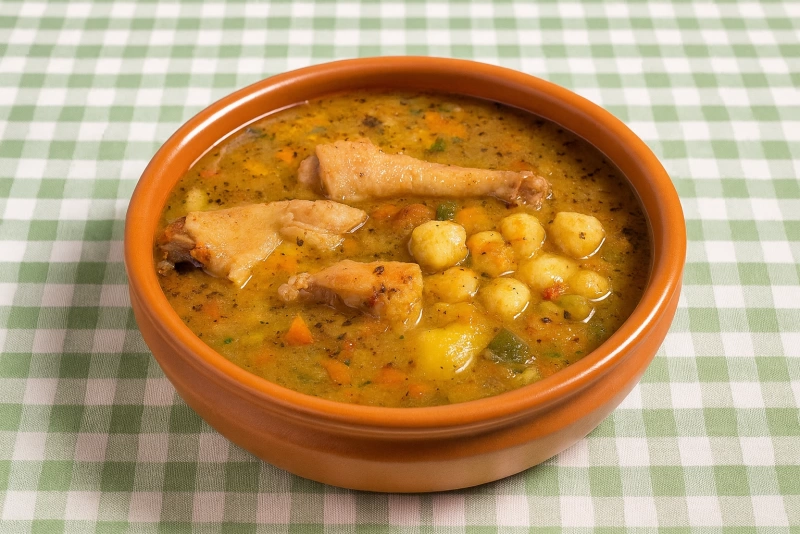
Between ten and twenty soles. That is the cost of a full set menu at the family-run eateries you will find along the route, with soup, a main course, and a drink. It is one of the reasons why doing the Salkantay Trek independently is affordable: you do not need to carry five days’ worth of food or a portable stove, because at nearly every overnight stop there is someone cooking. What you do need is to know where to stop, what is available on each section, and how to plan so you do not end up without dinner at seven in the evening in the mountains.
How the route’s eateries work
They are not restaurants in the usual sense. They are family kitchens that serve groups and passing hikers, with a short menu that changes depending on what is available that day.
There are three rules worth keeping in mind from the first day. First: let them know when you arrive. At high-altitude camps, dinner is prepared according to the number of people who order it, so if you arrive without telling them, there may not be a meal for you.
Second: meal times follow the route’s schedule, not the city’s. Breakfast is early, lunch is around midday, and dinner is served between six and eight. Outside those hours, the kitchen is closed.
Third: everything is paid for in cash and soles. There are no card payments or ATMs at the camps, and large bills are a problem.
Stop by stop: where to eat on each section
Mollepata, before heading up
It is the last town with several options before the mountains. Nearly all groups have breakfast here, and it is also a good place for an early lunch if you arrive in mid-morning.
The typical choice is caldo de gallina, a rich and restorative chicken soup, or a full breakfast with bread, eggs, and a hot drink. It is also the place to buy snacks for the first two days.
Soraypampa, the first night
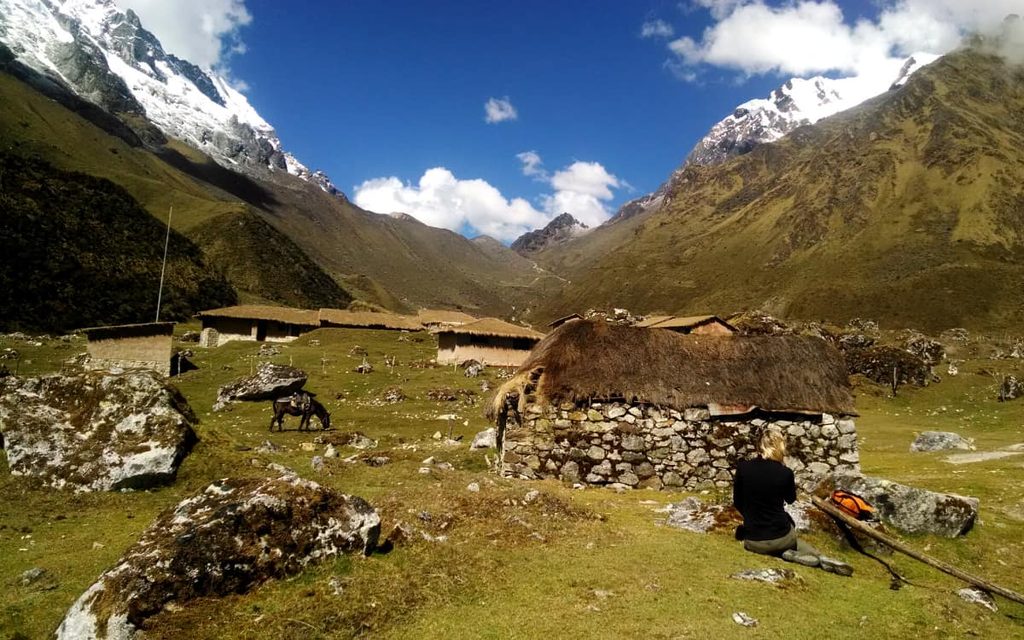
The camps in the area have dining rooms and serve dinner and breakfast to anyone who orders in advance. The selection is limited because everything arrived by mule.
Quinoa soup is the dish you will see most often here, and for good reason: it is nutritious, warming in the cold, and easy to digest when altitude has taken away your appetite. Order it for breakfast too if your stomach is not cooperating.
The mountain pass day
This is the day with the fewest options. During high season, there are stalls at some rest stops selling drinks, cookies, and sometimes something hot, but you cannot rely on them.
Leave Soraypampa with food for the entire day. On the descent, after the pass, the first places serving prepared lunch begin to appear.
Chaullay and Collpapampa
Things improve here. Camps and lodges have dining rooms, and the lower altitude allows for more variety. Caldo de gallina is very popular among local residents and hikers at the end of the day, and full set menus are available at small-town prices.
La Playa and Lucmabamba
You are in an agricultural area, and it shows on the plate. Andean potatoes give way to cassava and fried plantain, while fresh fruit and natural juices from local farms appear.
This is also the coffee section: several families in Lucmabamba sell coffee roasted at home. We cover it in the Salkantay coffee route.
Santa Teresa
The largest town on the route and the one with the most choices: set-menu restaurants, rotisserie chicken spots, and market stalls.
This is where you will find the route’s star dish. There are fish farms in the valley’s rivers, so fried trout is served fresh and crispy, with rice, fried cassava or potatoes, and salad. After three days of camp food, it is the best dinner on the trek.
Hidroelectrica and Aguas Calientes
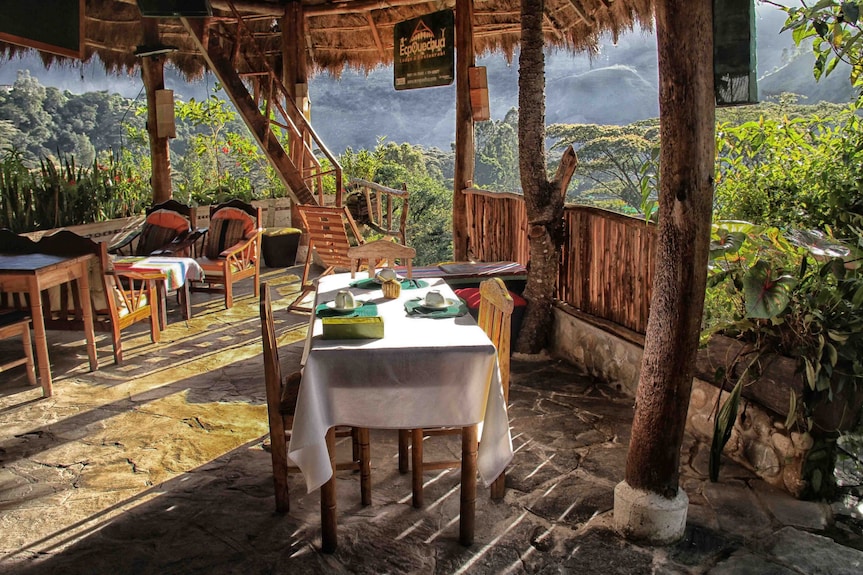
Next to the Hidroelectrica station, there are restaurants serving quick set menus to groups before the final hike. Aguas Calientes, on the other hand, has everything, with prices considerably higher than elsewhere on the route.
Reference prices
| Food | Where | Estimated price |
|---|---|---|
| Full set menu | Route eateries and towns | 10 to 20 soles |
| Breakfast | Mollepata and camps | 8 to 15 soles |
| Caldo de gallina | Mollepata, Chaullay, Collpapampa | 10 to 15 soles |
| Quinoa soup | High-altitude camps | 8 to 15 soles |
| Fried trout | Santa Teresa and the valley | 20 to 30 soles |
| Set menu in Aguas Calientes | Aguas Calientes | 25 soles and up |
These are estimated prices and they increase with altitude, because everything arrives by mule. Confirm the amount before ordering, especially at high-altitude camps.
How much to budget per day
If you eat three meals a day at the route’s eateries, budget between 40 and 60 soles per day. Add snacks and drinks, which cost considerably more in the highlands than in Cusco.
For the five days, leave Cusco with all the cash you need in small bills. The rest of the route’s costs are covered in the additional expenses you should consider when booking a Salkantay Trek.
What to bring even if you eat along the route
- Snacks for the hours between meals, especially for the pass day.
- An emergency breakfast, in case you leave before the kitchen opens.
- Your preferred water treatment method, because eateries do not always provide free boiled water.
- Food for your diet if you are vegan or gluten-free: options along the route are very limited.
Learn what the dishes you will find are and how they are prepared in typical food on the Salkantay route.
Frequently asked questions
Are eateries open during the low season?
Fewer are open. Between November and March, few people pass through and some stalls do not open every day. During those months, it is best to carry more of your own food and ask about dinner at each camp as soon as you arrive.
Can I order dinner when I arrive, or do I need to book it?
Let them know as soon as you arrive at camp. They cook according to the number of people ordering, and if you arrive late, there may be nothing left. The same applies to breakfast the following day.
Is it safe to eat at the route’s eateries?
Yes, with the usual precautions: freshly served hot dishes, boiled or treated water, and fruit you can peel. Avoid raw salads and choose places with plenty of customers.
Is it cheaper to cook for myself?
Yes, in terms of money, but you have to carry a stove, fuel, and food for five days. With set menus between ten and twenty soles, most independent hikers end up combining both options: they make their own breakfasts and buy dinner.
Where is the best food on the entire route?
In Santa Teresa, because of the fresh trout from the valley’s fish farms and the wider variety of restaurants. In the highlands, quinoa soup at the camps is what works best.