


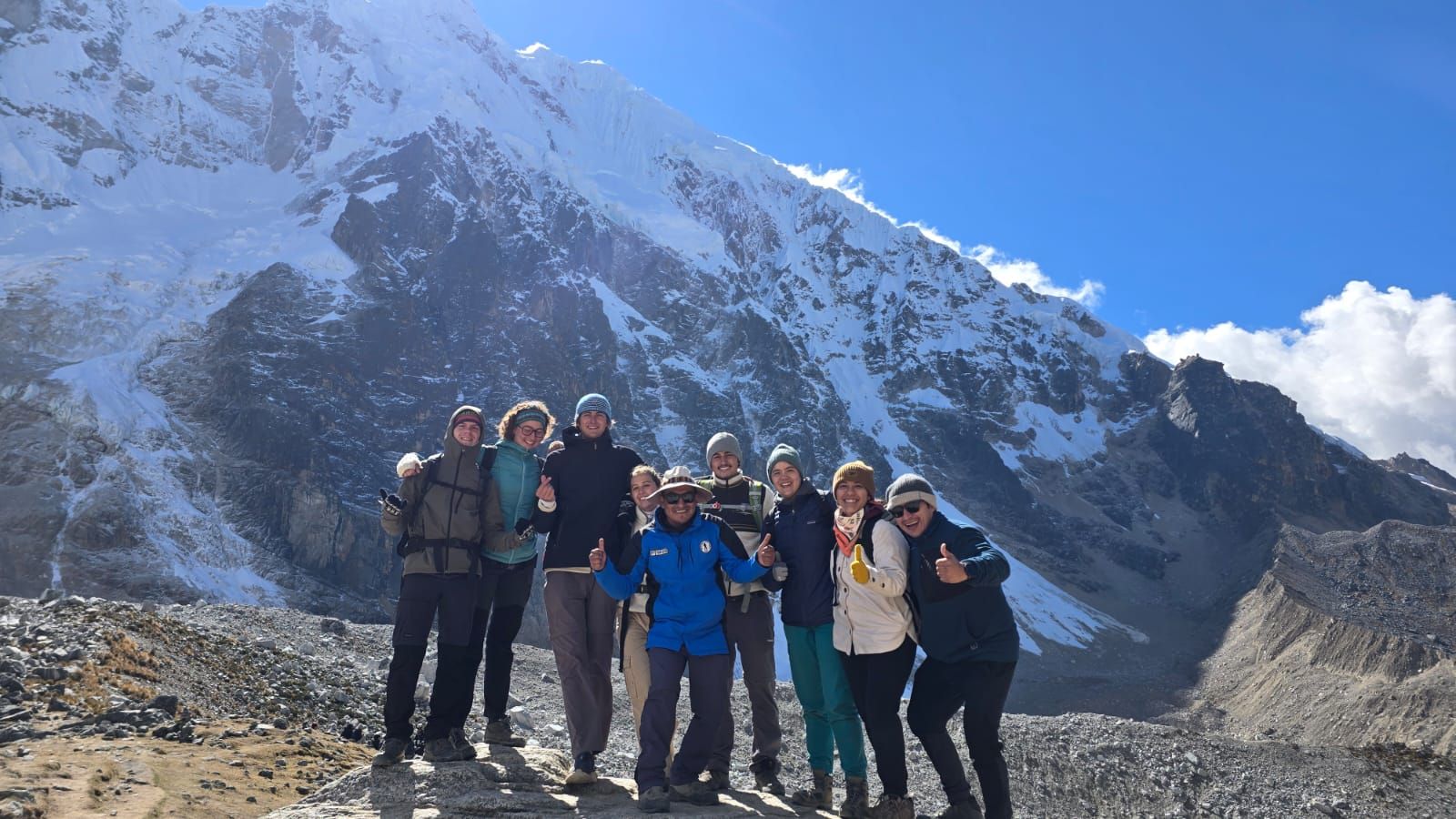
On the Salkantay Trek, the guide is the person who has the greatest influence on how you experience the hike. They set the pace, read the weather, know every section of the trail, and pay attention to how each member of the group is feeling. They are also the ones who turn a succession of landscapes into a meaningful journey. That is why simply having a guide is not enough: it matters that they know this particular route well.
What it means to have a specialized guide
A specialized Salkantay guide is not someone with a general knowledge of the area, but someone who has hiked this route many times and in different seasons. They know how the trail changes with rain, how long an average group takes on each section, and where difficulties usually arise.
In Peru, guides must also have tourism training and be certified to work. Added to that is something not always listed on a certificate: hands-on high-mountain experience and the ability to manage a group in demanding conditions.
Your pace and well-being at altitude
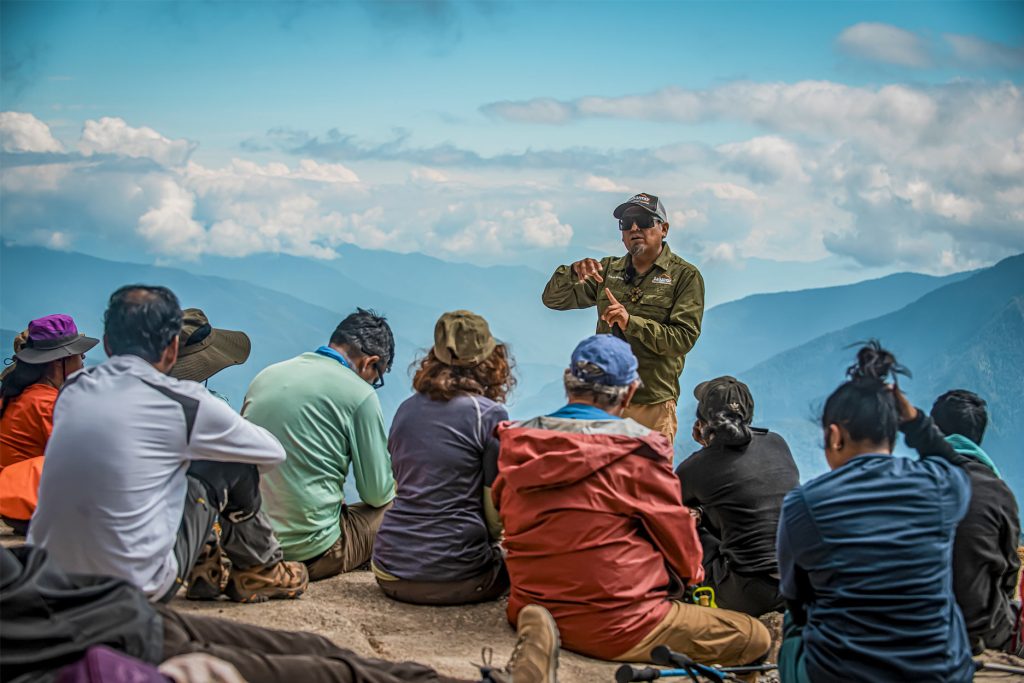
One of the guide’s most important roles is setting the pace. On a route that rises above 4600 m s. n. m., walking too fast at the beginning can take its toll hours later. An experienced guide adjusts the pace so the group moves steadily, schedules breaks at the right times, and keeps an eye on everyone throughout the day.
They also know how to recognize when someone needs to slow down, rest longer, or receive assistance. Often, travelers do not realize something is wrong until the guide notices it in the way they walk, speak, or eat.
Decisions on the trail
Weather on the Salkantay Trek can change quickly, especially near the pass. The guide decides what time to leave in order to cross in the best conditions, when to wait if the weather turns bad, and which alternative to take if a section is damaged by rain or landslides.
These decisions are not always obvious from the outside, but they are what make the day go smoothly. A guide without experience on this route may make the same decision too late, when the group is already tired or exposed.
Managing the group
Every group includes people with different paces, expectations, and levels of experience. The guide balances these differences: keeping the group together on sections where it is necessary, allowing everyone to move at their own pace where it is safe to do so, and making sure no one is left behind. They are also the point of contact with the rest of the team, such as muleteers and cooks, so everything runs smoothly at every stop.
A hike with context
The Salkantay Trek is not just a scenic route. It crosses the lands of communities that maintain a special relationship with the snow-capped mountain, which they consider an apu, and passes through areas where vegetation, crops, and ways of life change within just a few hours of hiking.
A local guide can explain these changes, tell you what families grow in each area, teach you a few words in Quechua, or point out species you might otherwise miss. When the guide is from the region, this information does not come from a book but from personal experience, and it shows in the way they share it.
Visiting Machu Picchu
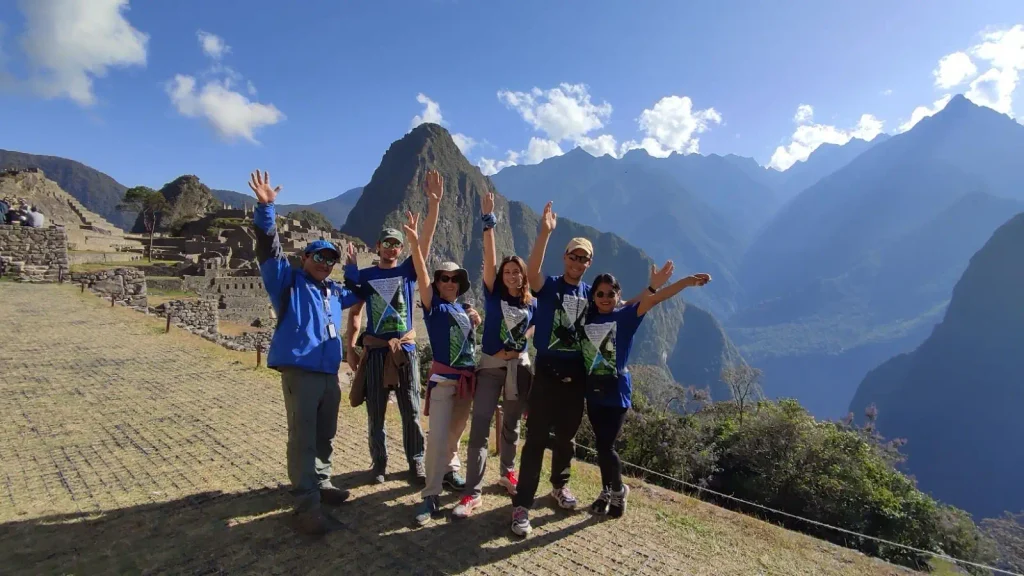
On the final day, the guide accompanies you inside the citadel. They explain each section of the circuit assigned to you, the purpose of the buildings, and how the site was constructed. Since routes are one-way and time is limited, having someone who knows where to stop and what to look at helps you make much better use of your visit.
How to identify a good guide before booking
Before confirming your trek, it is worth asking how many times the guide has completed this route, whether they have first-aid training, which languages they guide in, and how many travelers they lead per departure. A good sign is that the agency can answer these questions clearly and directly.
Reviews from other travelers are also helpful. When a guide is good, they are often mentioned by name in reviews.
Frequently asked questions
Does the Salkantay guide also accompany me in Machu Picchu?
On most tours, yes. The guide leads the visit through the citadel on the final day.
What training should a Salkantay guide have?
Tourism training, certification to work as a guide, experience on the route, and first-aid knowledge.
How many travelers should one guide lead?
The smaller the group, the more personalized attention you receive. Ask the agency how many people each guide leads.
Does the guide speak other languages?
Many guides work in Spanish and English. If you need another language, ask when booking.
Why is a local guide better?
They know the route in every season, have connections with the communities along the trail, and share information based on their own experience.