


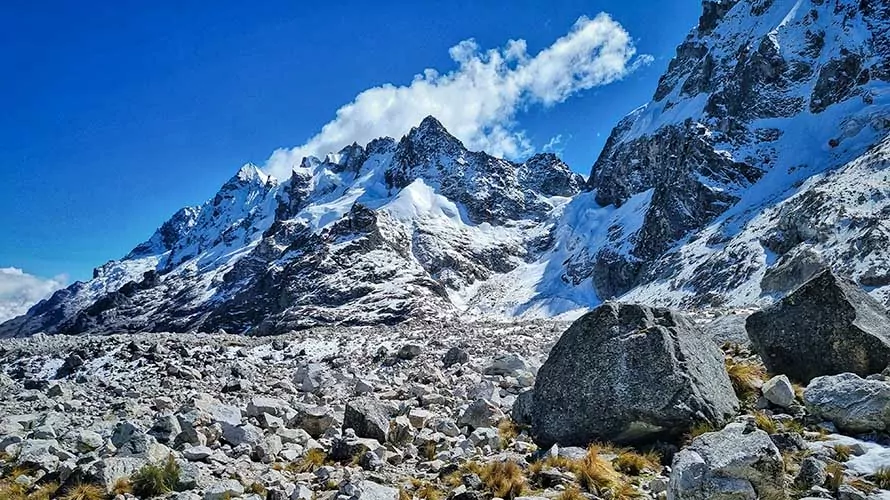
The dry season, generally running from April to October, is the most recommended time to hike the Salkantay Trek. During these months, there is usually less rain, better mountain visibility and generally firmer trails. Even so, nights can be very cold, and rain, snow or sudden changes are possible in higher-altitude areas.
Choosing these dates makes the hike easier, but it does not eliminate the challenges of a route that exceeds 4,000 m above sea level. Physical preparation, acclimatization and suitable equipment are still necessary to complete the itinerary more safely.
When Is the Dry Season on the Salkantay Trek?
The Salkantay Trek dry season begins gradually after the rainiest months and ends when rainfall becomes more frequent again. Not every day is the same: the weather changes according to altitude, time of day and section of the route.
Between April and October, more stable mornings and cloudier afternoons are common. By November, rain usually returns more regularly, although it may arrive earlier in some years.
April and May
In April, rainfall usually decreases gradually after the wet season. The landscapes retain abundant vegetation, and waterways maintain visible flow, especially along downhill sections.
May usually offers a favorable balance between less rain and green landscapes. During April, some trail sections may still remain wet, so it is advisable to wear boots with good grip and bring waterproof protection.
June, July and August
June, July and August correspond to the driest period in the Cusco region. Clear skies are more frequent, improving the chances of seeing the Salkantay snow-capped mountain and high-mountain scenery.
They are also the months with the coldest nights. July often records some of the region’s lowest minimum temperatures, especially in Soraypampa and areas near the Salkantay Pass.
September and October
September maintains generally favorable hiking conditions, with days that may feel milder than in June and July. Visibility can still be good, especially during the early morning hours.
In October, daytime temperatures can be pleasant, but the likelihood of rain gradually increases toward the end of the month. It is a transition period into the wet season.
Benefits of Hiking the Salkantay Trek During the Dry Season
Hiking the Salkantay Trek during the dry season offers more predictable conditions across much of the route. This can make both the hike and the logistics of campsites and transfers easier.
The main advantage is not the complete absence of bad weather, but rather a lower frequency of prolonged rainfall. Even with a favorable forecast, your gear should be ready for rapid changes.
Lower Frequency of Rain
Reduced rainfall makes daily hikes easier and avoids constant exposure to mud and moisture. Crossings, descents and dirt sections are usually more manageable than during months of heavy rain.
This does not mean you should leave your rain gear in Cusco. A brief shower, damp fog or sleet can appear even on initially clear days, especially near the highest areas.
Better Mountain Visibility
Clearer skies increase the chances of seeing the Salkantay snow-capped mountain, Humantay Lake and the valleys along the route. The best visibility window is usually between sunrise and midday.
Clouds can move in during the afternoon, so starting early helps you make the most of the views. Visibility is never guaranteed, but the chances are generally higher between May and August.
Generally Firmer Trails
During the dry season, trails usually have less mud and more stable surfaces than in rainy months. This can reduce the risk of slipping on dirt slopes, loose stones and downhill sections.
However, some sections can become dusty, especially in August. Wet rocks, bridges and steep sections require attention regardless of the time of year.
Better Conditions for Photography
Less cloud cover can improve lighting and panoramic views, especially during the early hours of the day. Mountains and lakes are often seen more clearly while the sky is still stable.
For photography during the hike, it is advisable to protect your camera or phone from dust, condensation and unexpected rain. Carrying a power bank is also useful, as cold temperatures can reduce device battery life.
Weather During the Dry Season
The weather during the dry season changes considerably because the route crosses different altitudes and ecosystems. A day may begin with temperatures near zero and end in a warm, humid environment.
Dressing in layers is more practical than bringing a single thick garment. This allows you to adjust your clothing during ascents, breaks, descents and nights at camp.
Sunny Days and Intense Radiation
Sun exposure can be strong during the day, especially in open, high-altitude areas. Even if the air feels cold, ultraviolet radiation can cause sunburn within a few hours.
Sunscreen should be applied before starting the hike and reapplied throughout the day. A hat, sunglasses with ultraviolet protection and a long-sleeved garment help reduce direct exposure.
Cold Nights at Campsites
Temperatures drop quickly after sunset and can approach or fall below zero in higher areas. The cold feels more intense when there is wind or humidity.
A suitable sleeping bag and dry clothes for sleeping make a considerable difference. It is also advisable to change damp socks upon arriving at camp to avoid losing heat during the night.
Wind at Salkantay Pass
Wind can increase the feeling of cold during the ascent and crossing of Salkantay Pass. In this section, the altitude and physical effort make long breaks less advisable.
A windproof or waterproof jacket should be easily accessible, not packed at the bottom of your backpack. Gloves and a hat are also useful during the first hours of the ascent.
Warm and Humid Weather in the High Jungle
As you descend toward Chaullay, Lucmabamba and Santa Teresa, temperatures rise and the environment becomes more humid. Clothing that was necessary at high altitude may feel excessive during this part of the itinerary.
In these areas, prioritize breathable clothing, constant hydration and insect protection if recommended by the operator. Isolated rain showers may also occur due to the conditions of the high jungle.
What to Pack for the Salkantay Trek During the Dry Season
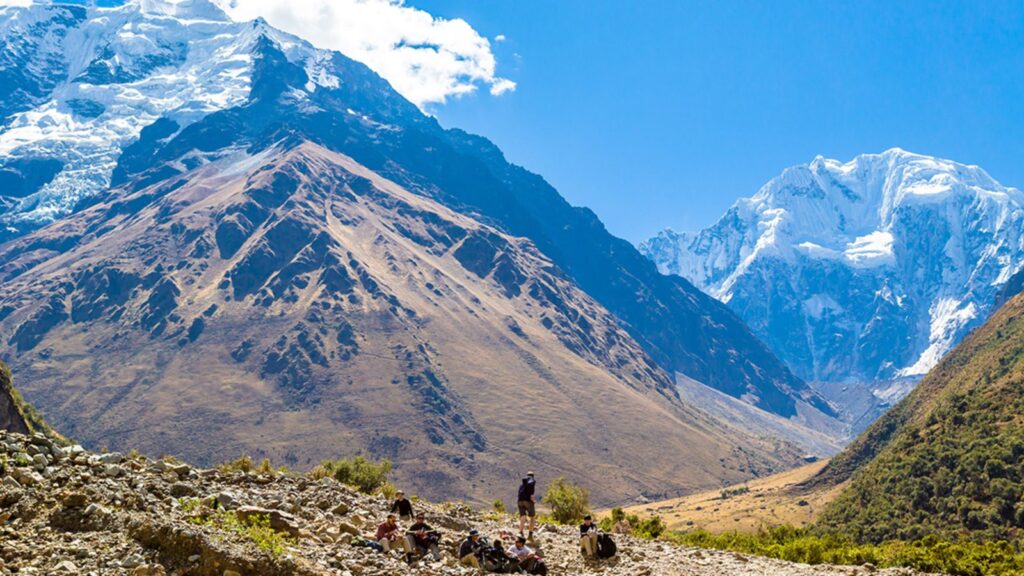
Gear for the Salkantay Trek during the dry season should cover three scenarios: intense sun during the day, strong cold at campsites and occasional precipitation. Bringing less clothing, but organizing it better, is usually more useful than carrying unnecessary items.
Before leaving, it is advisable to check which items are included in the tour, such as a sleeping bag, trekking poles, duffel bag or luggage transport. Conditions may vary depending on the itinerary and operator.
Layering Clothing
The most practical combination includes a breathable base layer, a thermal garment, an insulating layer and a waterproof or windproof jacket. This system allows you to adapt to temperature changes without stopping for too long.
Avoid using cotton as your main layer, as it retains moisture and takes longer to dry. Synthetic or wool garments usually manage sweat and cold better.
Protection for Low Temperatures
A hat, gloves, thermal socks and suitable sleepwear are necessary during nights and early mornings at high-altitude campsites. It is also helpful to bring a buff or neck gaiter to protect your nose, mouth and neck from the wind.
Keep a dry change of clothes inside a waterproof bag to use exclusively while resting. Sleeping in damp clothing is one of the most common mistakes on cold nights.
Sun Protection
Sunscreen, a hat, sunglasses with ultraviolet protection and lip balm are necessary because of high-altitude exposure. Ears, nose, neck and lips are often easily exposed.
Sunglasses should provide genuine UV protection and fit securely for hiking in windy conditions. A wide-brimmed hat or a cap with neck protection can provide greater coverage in open areas.
Trekking Footwear
Wear previously tested footwear with good grip that is suitable for dirt, rock and sloping terrain. Breaking in new boots on this hike can cause blisters and discomfort from the first day.
Trekking socks help reduce friction and manage moisture. If you use trekking poles, practice before traveling and make sure they have suitable tips for different terrain.
Protection Against Occasional Rain
The dry season does not guarantee the complete absence of precipitation. For this reason, you should bring a waterproof jacket and a backpack cover, even if the forecast predicts a stable day.
An internal waterproof bag also protects clothing, documents and electronic devices. A poncho can be useful, although it should fit securely to prevent the wind from lifting it during the ascent.
Recommendations for Hiking During the Dry Season
Planning the Salkantay Trek during the dry season should take altitude, cold, sun exposure and physical demands into account. A suitable pace is usually more helpful than trying to move quickly.
Listening to the guide’s instructions and reporting any discomfort allows decisions to be made in time. The route requires adaptation, especially during the first few days.
Acclimatize Before Starting
It is advisable to spend a few days in Cusco or another moderately high-altitude town before starting the hike. This allows your body to adapt gradually to lower oxygen availability.
During those days, it is advisable to avoid intense exercise, very heavy meals and excessive alcohol consumption. Acclimatization reduces risks, although it does not guarantee that altitude-related symptoms will not appear.
Start Each Day Early
Hiking in the morning allows you to take advantage of normally more stable conditions and have more time to complete each stage. It also helps you reach camp before temperatures drop.
The early hours can be cold, so it is advisable to start with enough layers and remove an item once your body warms up. Keep a windproof layer accessible throughout the day.
Maintain a Steady Pace
Walking slowly, avoiding unnecessary exertion and respecting breaks indicated by the guide is the best strategy at altitude. Short, steady steps are usually more sustainable than speeding up on uphill sections.
Do not try to keep up with other travelers if it causes shortness of breath or exhaustion. The hike is not a competition, and every body responds differently to altitude.
Stay Hydrated
Cold weather can reduce the sensation of thirst, although physical effort, altitude and sun exposure increase the need for fluids. Drinking small amounts of water frequently helps maintain better performance.
A reusable bottle or hydration bladder makes water more accessible while hiking. Ask in advance how water supply and treatment are organized on your booked itinerary.
Check the Forecast Before Leaving
Reviewing weather alerts and following the operator’s instructions helps anticipate possible changes. The forecast is a reference, not a guarantee, due to the variability of mountain weather.
Rain, hail or sudden snowfall can occur even during the dry period. If the guide changes a departure, schedule or route for safety reasons, it is advisable to respect that decision.
Nighttime Cold During the Dry Season
Cold nights are one of the main challenges of traveling during these months. The difference between daytime and early-morning temperatures can be considerable at higher-altitude campsites.
Preparing your sleeping gear before it gets dark helps avoid unnecessary movement when temperatures drop. Keeping sleepwear dry is a basic measure.
Temperatures in Soraypampa
The first campsite in Soraypampa can experience very low temperatures during the early morning due to its altitude and proximity to the mountains. The cold is usually felt most strongly after sunset and before sunrise.
A sleeping bag with a comfort rating suitable for cold conditions is preferable to one designed only for mild weather. Check in advance whether the sleeping bag is included or must be rented.
Temperatures at Salkantay Pass
Cold, wind and the possibility of snow or sleet can occur in the highest section of the itinerary. Although the pass is crossed during the day, conditions can be demanding if the weather changes.
Your layers should allow you to retain warmth without building up too much sweat during the ascent. When you stop, put on an extra layer before getting cold, especially if it is windy.
How to Sleep in Low Temperatures
Before traveling, check the comfort temperature rating of your sleeping bag, not only its limit temperature. The comfort temperature provides a more realistic reference for resting on cold nights.
Wear dry clothing exclusively for sleeping, including clean socks and a thermal layer. A well-sealed bottle of warm water placed inside the sleeping bag can provide warmth during the first hours of the night.
High Season and Number of Travelers
Good weather conditions also create greater demand for tours, accommodation, trains and Machu Picchu entry tickets. Planning ahead prevents availability from limiting your choice of dates or services.
Visitor numbers are not the same throughout the dry season. The central months usually attract more visitors, especially when they coincide with international holidays.
Higher Numbers of Visitors in June, July and August
June, July and August usually coincide with high tourism demand and lower availability of certain services. Trekking groups, Cusco hotels and rail connections can fill up in advance.
There may also be more travelers at Machu Picchu entrances and circuits. If you prefer specific times or a particular route, avoid leaving your reservation until the final weeks.
Book in Advance
It is advisable to book the tour, Machu Picchu entry tickets, transportation and accommodation included in the itinerary in advance. Ticket and train availability may change depending on the selected date.
If you need to coordinate the hike with entry tickets, trains, transfers or additional nights in Cusco, the Salkantay.tours team can help you review available logistics before confirming your trip.
Alternatives with Fewer Travelers
May, September and early October are options for travelers seeking to combine favorable conditions with potentially fewer visitors. They are not empty months, but they are usually less crowded than July.
These dates also offer a balance between weather, scenery and availability. In any case, Machu Picchu entry tickets should be checked in advance during every month of the year.
Risks of Hiking the Salkantay Trek During the Dry Season
More stable weather does not eliminate risks related to altitude, low temperatures and physical exertion. Preparation and attention to symptoms are necessary throughout the route.
The most common mistake is associating sunny days with easy conditions. Radiation, dry air and temperature changes can affect travelers even when there is no rain.
Altitude-Related Discomfort
The itinerary exceeds 4,000 m above sea level and can cause headaches, nausea, dizziness, loss of appetite or fatigue. Any symptom should be reported to the guide immediately.
It is not recommended to hide discomfort in order to continue at the same pace as the group. The guide can assess rest, hydration, descent or other measures according to the situation and the operator’s protocol.
Dehydration
Sun, wind, physical activity and dry air can cause fluid loss even if the traveler does not feel hot. Dehydration can increase fatigue and worsen the feeling of discomfort at altitude.
Drinking water regularly and eating during breaks helps sustain energy. Do not wait until you feel intensely thirsty to hydrate.
Sunburn
Radiation intensity increases with altitude, and protection should be reapplied during the hike. Cold skin or a partly cloudy sky do not prevent sunburn.
Apply sunscreen to your face, neck, ears and hands, and reapply it after sweating. Lips also need lip balm with sun protection.
Sudden Weather Changes
It can rain, hail or snow outside the usual patterns, especially near Salkantay Pass. Mountain conditions can change quickly, even in the middle of the dry season.
Always carry a waterproof layer and avoid separating from the group in areas with reduced visibility. If storms or strong winds occur, follow the guide’s instructions without delay.
Which Month to Choose During the Dry Season
The best month depends on the traveler’s priority: green landscapes, clear skies, less cold nights or fewer visitors. There is no perfect date for every type of traveler.
Before choosing, consider your available dates, tolerance to cold, previous hiking experience and the need to book Machu Picchu in advance.
May for Green Landscapes
May usually combines less frequent rain with vegetation that still retains the effect of the wet season. It is a good alternative for those who value green valleys without hiking during the months of heaviest rainfall.
Nights are still cold at altitude, although conditions may feel less extreme than in July. Some areas may retain residual moisture from earlier rains.
June and July for Clear Skies
June and July offer generally dry conditions and greater chances of clear skies. They are suitable months for travelers who prioritize mountain visibility and accept low nighttime temperatures.
They require proper preparation for very cold early mornings and more planning due to tourism demand. Booking late can limit tour options and Machu Picchu entry tickets.
August for Hiking with Little Rain
August maintains dry conditions and good visibility on many days. It is a frequent option for travelers who want to reduce the possibility of rain during the hike.
It can bring wind, dust in certain sections and high visitor numbers. Protection for your eyes, skin and airways is useful if conditions become dry and windy.
September to Balance Weather and Visitor Numbers
September can offer favorable days, slightly milder temperatures and fewer travelers than the central months of high season. It is a practical alternative for combining weather and availability.
Isolated rain showers may become somewhat more likely as the month progresses. Keeping your waterproof jacket and backpack cover remains necessary.
October for Traveling at the End of the Dry Season
October can bring clear days and pleasant daytime temperatures, especially during the first part of the month. It is a valid option for those who cannot travel during the driest months.
Rain becomes more frequent as November approaches, so it is advisable to travel with flexible expectations and check the forecast before each stage.