


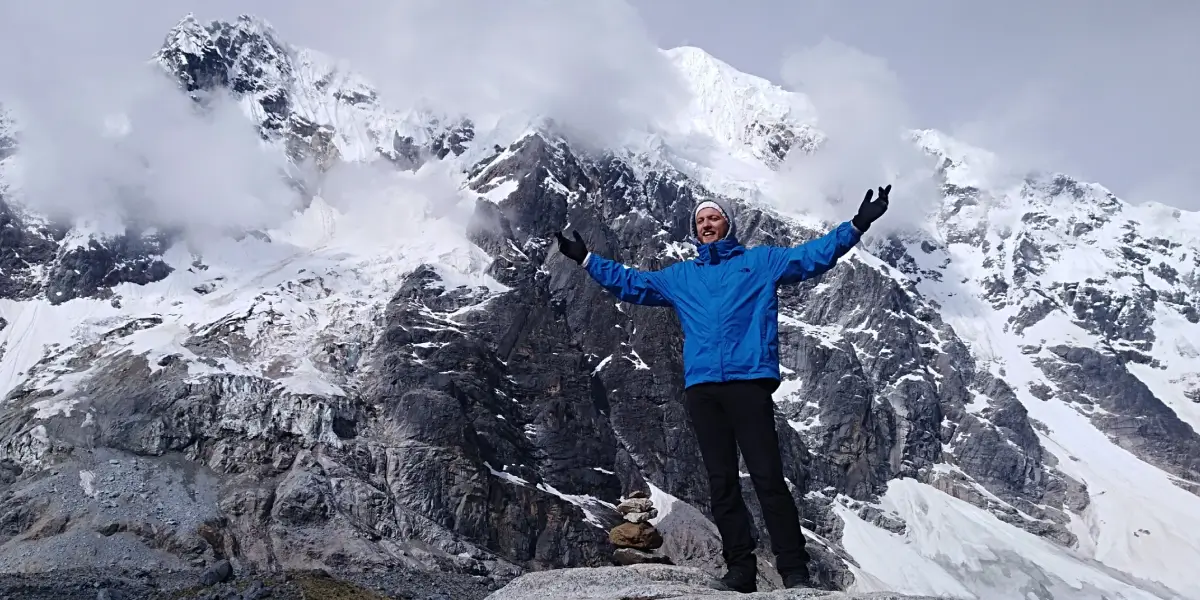
The rainy season on the Salkantay Trek generally runs from November to March. It is possible to hike during certain periods of these months, but rainfall can lead to mud, reduced visibility, and itinerary changes. Before starting the route, it is best to confirm current conditions with the operator, as trail conditions and weather can vary from one day to the next.
The route combines high-mountain sections, exposed passes, and high-jungle areas. For this reason, a day may begin with intense cold in Soraypampa and end with warm rain in the lower sections. Traveling prepared, with waterproof clothing and extra time in your itinerary, helps you handle these conditions better.
When Is the Rainy Season on the Salkantay Trek?
Rain usually starts becoming more frequent in November and continues through March. January and February tend to have the wettest days, while March marks a gradual transition toward less rainy conditions.
This pattern is only a general guide and can change every year. There may be weeks with clear mornings and afternoon rain, as well as periods of persistent rainfall. For this reason, the forecast should be taken as a reference rather than a guarantee.
November and December
In November, rainfall begins to increase gradually after the driest months. Partly clear days and good weather windows can still occur, especially during the early morning.
During December, conditions tend to be more unsettled and rainfall may occur more regularly. It is a month when you should keep waterproof protection accessible throughout the hike, even when the day starts dry.
January and February
January and February are usually among the months with the highest frequency of rain, cloud cover, and humidity along the Salkantay route. Dirt trails can become muddy, and high-mountain scenery may remain covered for several hours.
This does not mean it rains nonstop all day, but there is a greater likelihood of heavy rainfall or rapid changes. Those choosing these dates should be prepared for a more demanding route and have a flexible itinerary.
March
In March, rainfall can still be frequent, especially at the beginning of the month. Trails remain wet, and clouds can limit views at Salkantay Pass and near Humantay Lake.
Toward the end of March, rainfall generally begins to decrease gradually. Even so, it is not advisable to assume dry conditions: waterproof gear and planning for delays are still necessary.
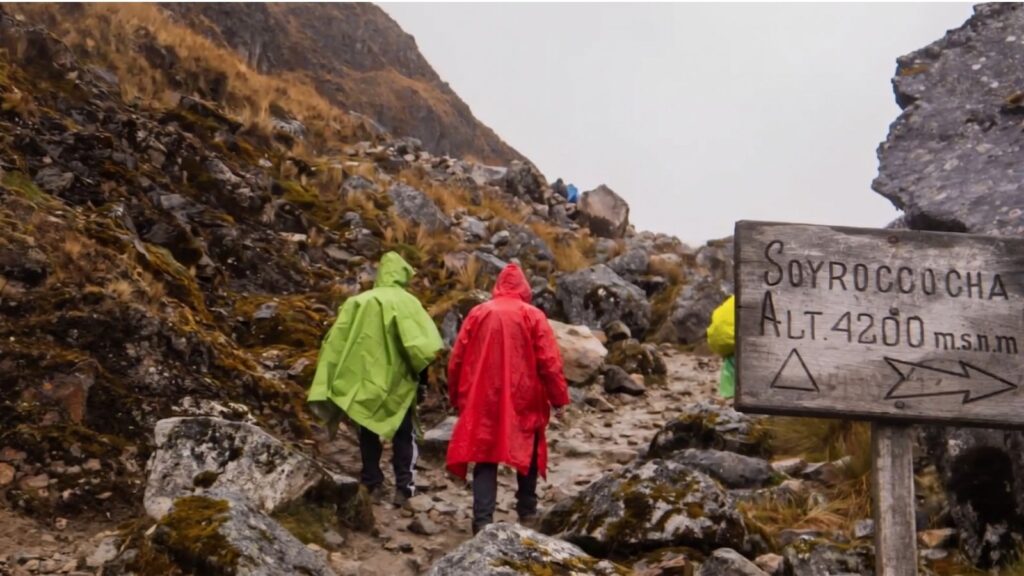
What the Weather Is Like During the Rainy Season
The Salkantay Trek crosses areas with very different altitudes and microclimates. Rain, temperature, and humidity change depending on the point along the route, so one garment is usually not enough for every day.
Layering allows you to adapt more effectively: a thermal layer for the cold, a mid-layer to retain warmth, and a waterproof outer layer to protect against rain and wind. It is also useful to prepare for sudden changes between sunrise, midday, and nighttime.
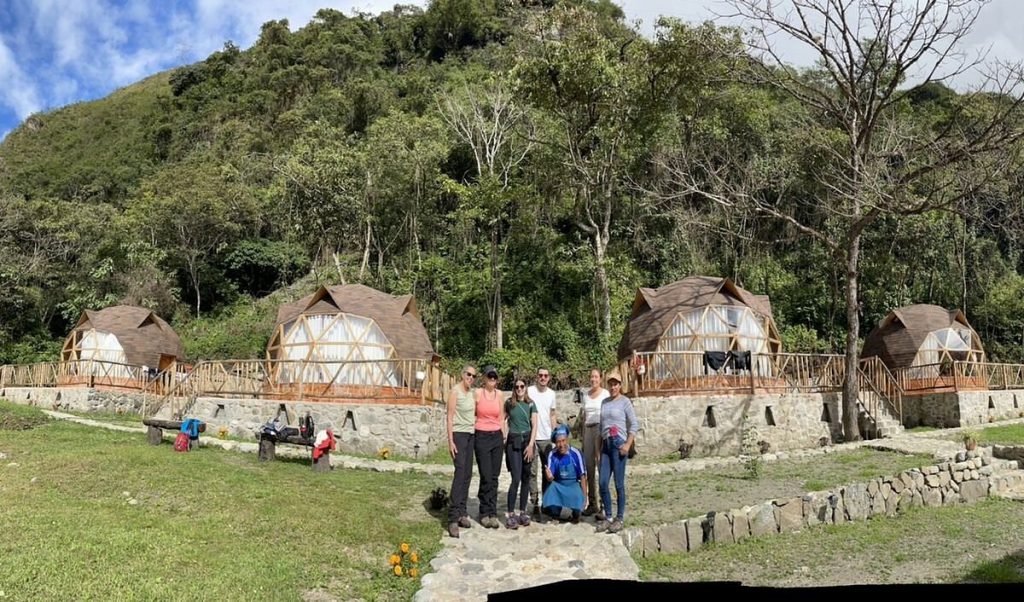
Weather in Soraypampa
Soraypampa is located at high altitude, where mornings can be cold even during the rainy season. Low clouds, drizzle, and quick temperature changes are common, especially when the wind shifts direction.
In the late afternoon and at night, temperatures can drop further. A waterproof jacket does not replace thermal layers, so it is best to bring dry clothing for resting and avoid staying in wet garments after the hike.
Weather at Salkantay Pass
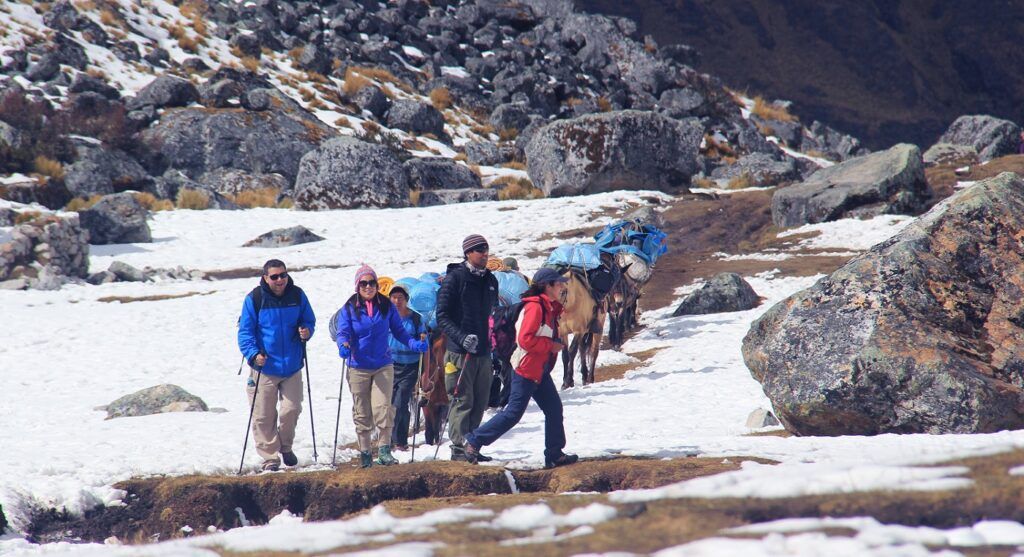
Salkantay Pass is the highest point of the route and can experience demanding conditions during the rainy season. Cold, wind, rain, hail, snow episodes, and limited visibility are all possible there.
Conditions can change quickly, so your hiking pace should adapt to the terrain and the guide’s instructions. In this section, it is advisable to keep gloves, your waterproof layer, and a warm garment within reach rather than packed at the bottom of your backpack.
Weather in Chaullay and the High Jungle
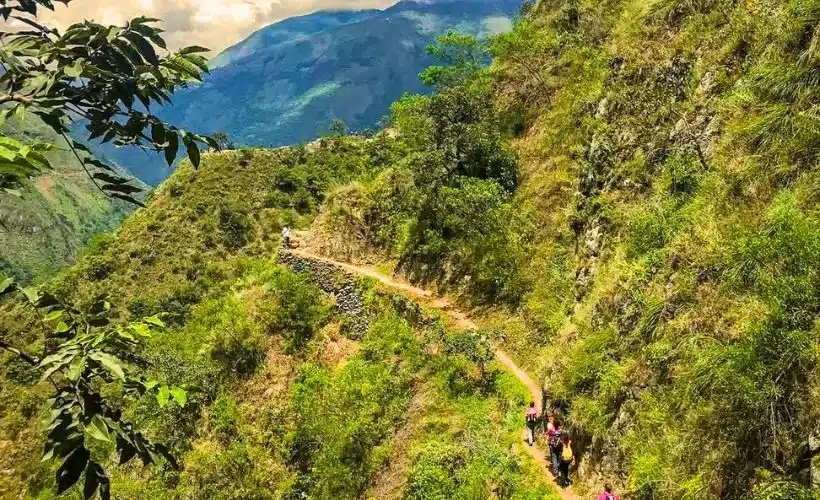
After the descent, areas near Chaullay and the high jungle have a warmer and more humid environment. The perceived temperature can rise due to vegetation, ambient humidity, and lower altitude.
Rainfall is common in these areas and can continue through the afternoon or night. Lightweight, quick-drying clothing helps, but you will also need a waterproof layer because rain can cool your body once you stop hiking.
Advantages of Hiking the Salkantay Trek During the Rainy Season
Hiking the Salkantay Trek between November and March means accepting less predictable weather conditions, but it can also offer some advantages. The decision depends on your personal tolerance for rain, the type of scenery you want, and the flexibility you have.
For some travelers, rain does not prevent them from enjoying the route if they have proper gear and realistic expectations. The key is not to plan the trip expecting the same visibility and firm terrain conditions usually found between April and October.
Greener Landscapes
Rainfall supports vegetation in the valleys and high-jungle sections. During these months, it is common to find hillsides, farmland, ravines, and forested areas greener than in the dry season.
Rivers and waterfalls may also have a stronger flow. However, clouds can hide parts of the mountains, so green landscapes will not always come with open views of the snow-capped peak.
Fewer Travelers
During the rainy season, there is usually lower visitor traffic than in the central months of the dry season. This can make it easier to find a trek with smaller groups, depending on the date and availability.
Fewer travelers do not eliminate the need to book in advance, especially if you need a specific service or dates close to holidays. It is also advisable to ask which departures remain operational and under what conditions.
A More Peaceful Atmosphere in Some Sections
Lower demand can create a quieter atmosphere on certain trail sections and at some campsites. This is ideal for those who prefer hiking with less activity around them.
Even so, tranquility should not be confused with complete isolation. On bad-weather days, groups may gather in covered areas or adjust their schedules, so daily dynamics will depend on route conditions.
Challenges of the Salkantay Trek During the Rainy Season
Rain directly affects safety, hiking pace, and the logistics of the Salkantay Trek. Not every issue occurs on every departure, but they should be considered before confirming a date.
Good preparation reduces many problems, although it does not eliminate the possibility of operational changes. A traveler who hikes carefully, protects their belongings, and follows the guide’s instructions will be better able to adapt to a wet day.
Mud and Slippery Surfaces
Rain can turn dirt paths, rocky sections, and slopes into slippery surfaces. The descent toward lower areas usually requires special care, as mud can affect stability and increase physical effort.
Walking at a controlled pace, wearing boots with good soles, and using trekking poles helps reduce the risk of slipping. A common mistake is moving too quickly to avoid the rain, which can cause falls or unnecessary fatigue.
Reduced Mountain Visibility
Clouds can temporarily hide the Salkantay snow-capped peak, Humantay Lake, and other scenery along the route. In some cases, visibility improves briefly, but there is no way to guarantee clear views during the rainy season.
Those who prioritize photos with open panoramas should consider this factor before choosing their dates. It is best to keep flexible expectations and make the most of any clear spells without delaying the group or taking risks in unsafe areas.
Itinerary Changes and Delays
When conditions are not suitable, the operator may change schedules, campsites, transportation, or certain sections of the itinerary. These decisions are intended to respond to trail conditions, rain, visibility, and safety requirements.
Before booking, ask how these situations are managed and what alternatives are offered if a section cannot be completed as planned. To coordinate logistics, campsites, and availability on rainy dates, you can contact the Salkantay.tours team directly.
Wet Clothing and Gear
Built-up moisture can make it difficult to dry clothing, footwear, and gear during a multi-day hike. At campsites with high humidity, a wet garment may still be damp the following morning.
For this reason, you should not rely on just one change of clothes or a single pair of socks. Keeping dry clothing in waterproof bags allows you to save garments for sleeping and start the next day more comfortably.
What to Pack for the Rainy Season
Gear for the Salkantay Trek during the rainy season must protect against water, cold, and prolonged humidity. It is not simply about bringing more clothing, but about organizing each item so it stays dry when needed.
It is best to choose quick-drying materials and avoid cotton clothing for hiking, as it retains moisture and can increase the feeling of cold. Backpack weight should also be kept under control, especially on muddy days.
Waterproof Jacket and Pants
A waterproof jacket and pants are recommended for rainy days. They should allow you to hike comfortably and, if possible, provide good breathability to avoid building up too much moisture inside.
A poncho can complement your protection, but it does not always replace a technical jacket in windy areas. Make sure your garments properly cover inner layers and that you can put them on quickly without disrupting your backpack contents.
Waterproof Backpack Cover
A waterproof backpack cover helps reduce direct exposure to rain. However, it should not be the only barrier, as water can enter through openings, seams, or while handling the backpack.
Complement the cover with internal waterproof bags for documents, clothing, devices, medication, and other important items. A separate bag for dry clothing is especially useful when you arrive at camp.
Footwear With Good Grip
Previously worn-in trekking boots with soles suitable for mud, wet rock, and uneven terrain provide a safer foundation than new or urban footwear. They should offer sufficient support for descents and slippery areas.
Do not break in new boots on this hike. Use them on several hikes beforehand to make sure they do not cause chafing and maintain good grip. Bringing extra trekking socks also helps manage moisture and prevent blisters.
Dry Change of Clothes
Keeping a dry change of clothes is one of the most useful measures for wet nights. Include thermal garments, socks, and a warm layer you can wear at the end of each day.
These garments should be kept in waterproof bags from the start. If stored unprotected inside your backpack, they can become damp from condensation or leaks and fail to serve their purpose when you need them most.
Trekking Poles
Trekking poles can provide extra stability on slopes, descents, and wet surfaces. They also help distribute some of the effort, especially when the ground is soft or uneven.
Adjust them to a comfortable height and learn how to use them before starting the route. On narrow sections or wet rocks, poles should complement careful footing, not replace attention to the terrain.

Recommendations for Hiking in the Rain
Hiking in the rain requires anticipation, not just reaction. Protecting yourself after it has already started raining is usually more uncomfortable and can leave some gear exposed to moisture.
Safety depends on simple decisions: moving without rushing, staying hydrated, using proper layers, and accepting route adjustments when the weather requires them. Rain can be manageable if you do not underestimate the environment.
Check the Forecast Before Starting
Before starting the trek, check the available weather information for the area and follow the operator’s updated instructions. The forecast does not replace on-site assessment, but it helps you prepare your clothing and manage expectations.
Also ask about the recent condition of the route, especially if there has been heavy rainfall in the previous days. A trail may have more mud or operational changes even when the day’s forecast appears favorable.
Start Hikes Early
Starting hikes early gives you more time to make progress and respond to weather changes. On many rainy days, rainfall tends to increase in the afternoon, although this can vary.
Leaving early does not mean hiking in a rush or cutting rest time excessively. It allows you to maintain a steady pace, reach camp in daylight, and have extra time if the terrain forces you to move more slowly.
Follow the Guide’s Instructions
The guide must assess trail conditions and decide whether it is necessary to adjust the pace, change schedules, or modify a section. These decisions are based on actual terrain conditions, not only on the original plan.
It is not advisable to separate from the group to look for another route or speed up on your own. Rain can reduce visibility and make navigation more difficult, especially in high areas or on foggy trails.
Protect Your Gear Before It Starts Raining
Sensitive items should stay inside waterproof bags throughout the day, not only when rainfall begins. A sudden shower can soak documents, cameras, or clothing within minutes.
Keep only what you need within reach, such as water, a snack, and your rain layer. Everything else should remain organized and sealed inside your backpack to avoid opening it repeatedly in the rain.
Change Out of Wet Clothes When You Reach Camp
When you arrive at camp, try to change out of wet clothes as soon as possible. Staying in damp garments can increase the feeling of cold while resting and reduce comfort for the following day.
Dry your footwear as much as possible and separate wet garments from dry ones. If conditions allow, air out wet items, but avoid leaving them exposed to another rainfall or overnight humidity.
How to Prepare Your Itinerary for the Rainy Season
A rainy-season itinerary should allow room for delays, weather changes, or operational modifications. Planning every connection with very tight timing can create problems if a hike or transfer is delayed.
The best preparation combines flexibility, communication with the operator, and a careful review of booking conditions. This allows you to respond better if the weather requires schedule or service changes during your trip.
Confirm Your Departure With the Operator
Before departure, ask about the current condition of the route, the campsites used, and the protocols applied during rainfall. Also confirm which gear is included and which items you need to bring yourself.
Ask whether alternative routes or common adjustments are available for bad-weather days. Having this information before departure prevents incorrect expectations and makes it easier to make decisions if a change is proposed.
Allow Extra Time in Your Itinerary
Avoid booking connections that are too tight after the trek, especially flights, trains, or transfers that cannot be changed. Rain can cause delays in hikes, ground transportation, or operational coordination.
Allowing at least a reasonable buffer in Cusco before continuing your trip reduces stress in case of unexpected events. This precaution also gives you time to rest after several days of hiking in wet conditions.
Review Booking Conditions
Review policies related to date changes, cancellations, and itinerary modifications. These conditions may vary depending on the operator, contracted services, and how close the departure date is.
Request in writing any information about weather-related rescheduling. Do not assume that all services apply the same rules, especially if the package includes transportation, accommodation, or tickets arranged by third parties.
Purchase Suitable Insurance
It is advisable to make sure your policy covers trekking at the route’s maximum altitude, medical care, and evacuation from remote areas. Some standard policies exclude mountain activities or set specific altitude limits.
Read the conditions before purchasing insurance and carry the insurer’s contact details during your trip. Also confirm the procedure for requesting assistance if a medical issue or evacuation arises.
Is It Worth Hiking the Salkantay Trek During the Rainy Season?
The Salkantay Trek during the rainy season can be an option for those who accept rain, seek greener landscapes, and can maintain a flexible itinerary. With suitable gear, good physical fitness, and an up-to-date assessment of the route, it is possible to complete the hike during certain periods between November and March.
Those who prioritize drier trails, a greater chance of clear views, and fewer weather-related changes should consider the recommended season from April to October. The final choice should take into account the specific month, the weather forecast, route conditions, and the operator’s instructions before starting.