


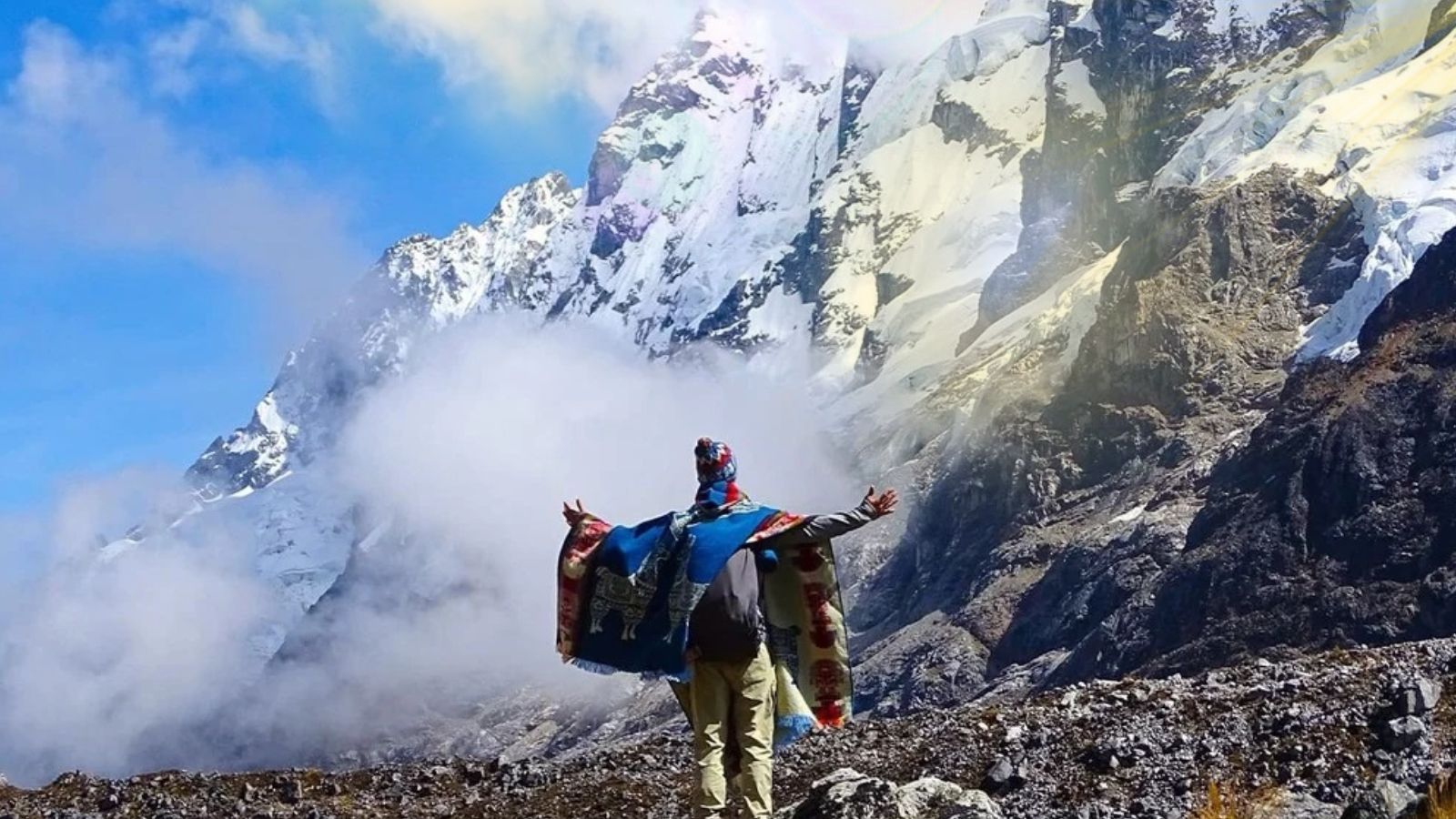
The Salkantay Trek usually takes between four and five days, although there are shorter or longer programs depending on the operator and transportation used. The five-day route generally follows a more gradual pace, while the four-day option concentrates the hikes into fewer days. To choose wisely, consider your fitness level, available time, and the services included in each itinerary.
How long does the Salkantay Trek take?
The length of the Salkantay Trek depends on the program design. Some tours include road transfers, train connections, or final sections by transportation, while others prioritize more hours of hiking. It also depends on whether the route includes extra nights, additional visits, or longer rest periods.
The four- and five-day versions are the most common ways to reach Machu Picchu via this route. Although both share the main sections of the trek, the daily distribution of effort can be quite different. That is why comparing only the number of days is not enough: you should review the hiking hours and actual logistics of each option.
4-Day Salkantay Trek
The 4-day Salkantay Trek condenses the route into fewer days and generally includes longer hiking days or tighter transfers. It can be a practical alternative for travelers with limited time in Cusco who want to complete a multi-day hike before visiting Machu Picchu.
This format is usually best suited to travelers with good fitness, previous hiking experience, or the ability to maintain a steady pace. Before booking, check the estimated daily distance, elevation changes, and expected arrival time at each accommodation, as these factors better determine the difficulty than the number of days.
5-Day Salkantay Trek
The 5-day Salkantay Trek is one of the most complete options because it allows the hikes to be spread out more evenly. With an additional day, the itinerary usually provides more time to progress without rushing the stages and to adapt to changes in altitude and weather.
It can also offer more time to admire the scenery, take breaks during the day, and recover between stages. This does not mean it is an easy hike, as it remains a demanding route, but the distribution of effort is often more comfortable for many travelers.
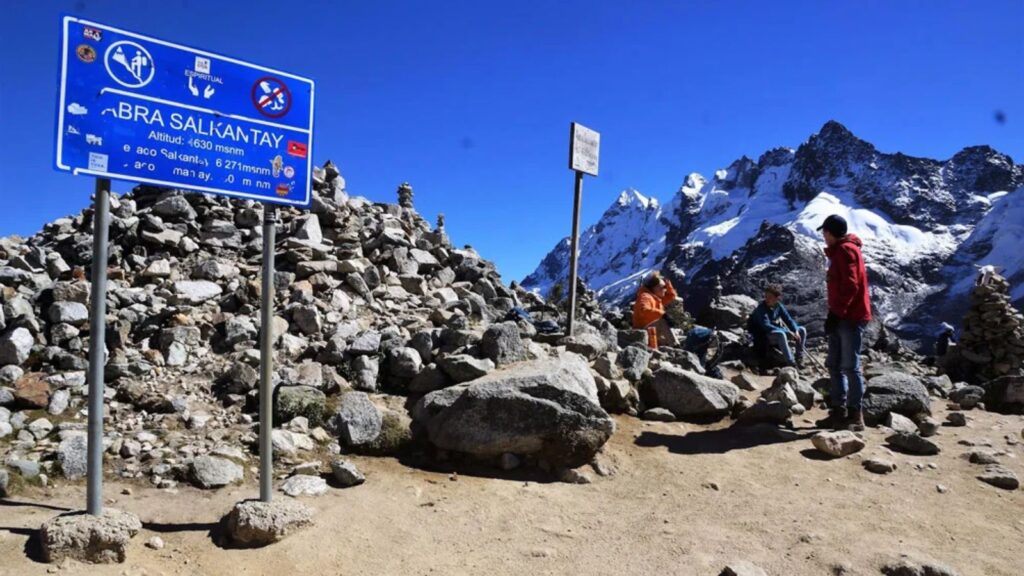
Shorter or longer programs
There are alternative programs that can shorten or extend the total duration. Shorter options generally use transportation to bypass certain sections, while longer ones may add camping nights, more comfortable accommodations, or additional routes before reaching Machu Picchu.
Services vary from one company to another. A program advertised with a certain duration may include more hiking than another with the same number of days, so it is advisable to request a detailed itinerary and confirm which sections are completed on foot, by vehicle, or by train.
Differences between the 4- and 5-Day Salkantay Trek
The main difference between the 4- and 5-day Salkantay Trek is the pace. The shorter version usually requires more planning and has more concentrated days, while the five-day option generally distributes the route more evenly. However, overall comfort depends on both the operator and the accommodations and transportation included.
Choosing one option or the other should not be based only on having an extra day available. It is also important to consider how your body responds to altitude, how much time you need to recover after hiking, and the type of trip you want to take.
Hiking pace and difficulty
On a four-day program, it is common for a greater daily distance to be concentrated into each day or for the stages to allow less time for extended breaks. This may be suitable for fit travelers who are used to walking for several hours on terrain with elevation changes.
The five-day route usually spreads the effort out more gradually. Even so, each tour has its own distances and estimated times, so it is advisable to compare this information before assuming one route will necessarily be easier than another.
Time to rest and enjoy the scenery
A longer duration may allow for more extended breaks during the hike and less rushed afternoons upon arriving at the camp or accommodation. For some travelers, this flexibility helps them enjoy the surroundings without feeling that each day is a race against the clock.
The experience may vary depending on how the tour is organized. A five-day itinerary with very early departures and additional activities may maintain an active pace, while a well-planned four-day itinerary may include sufficient breaks. Check the approximate departure and arrival times.
Differences in services and accommodations
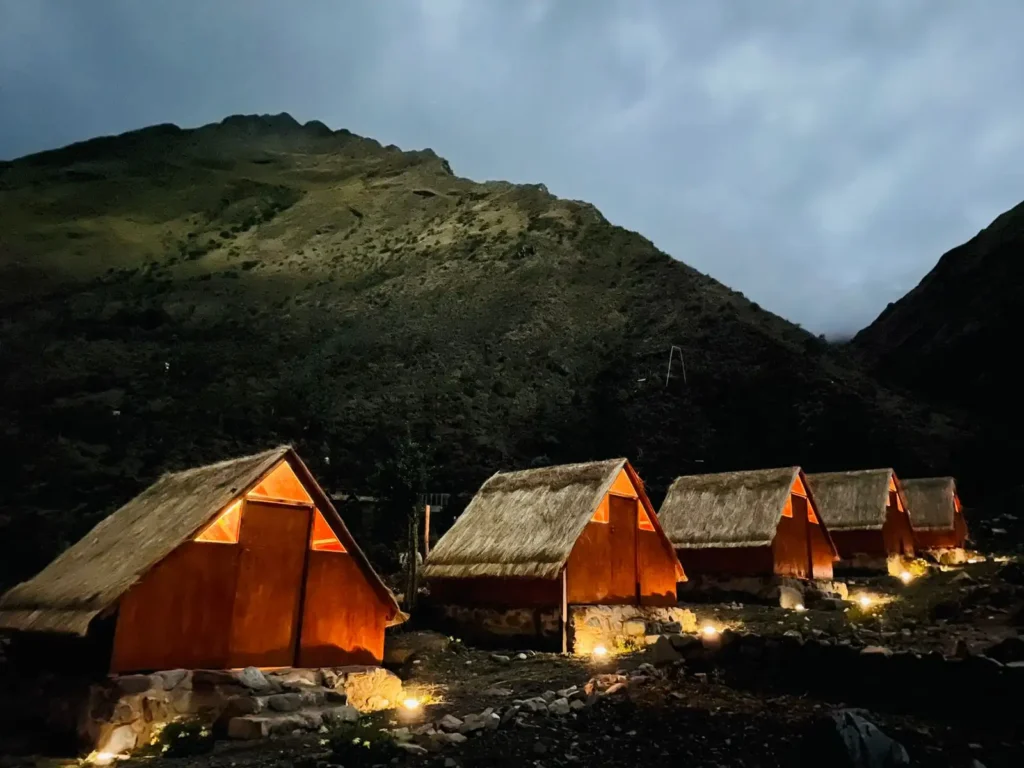
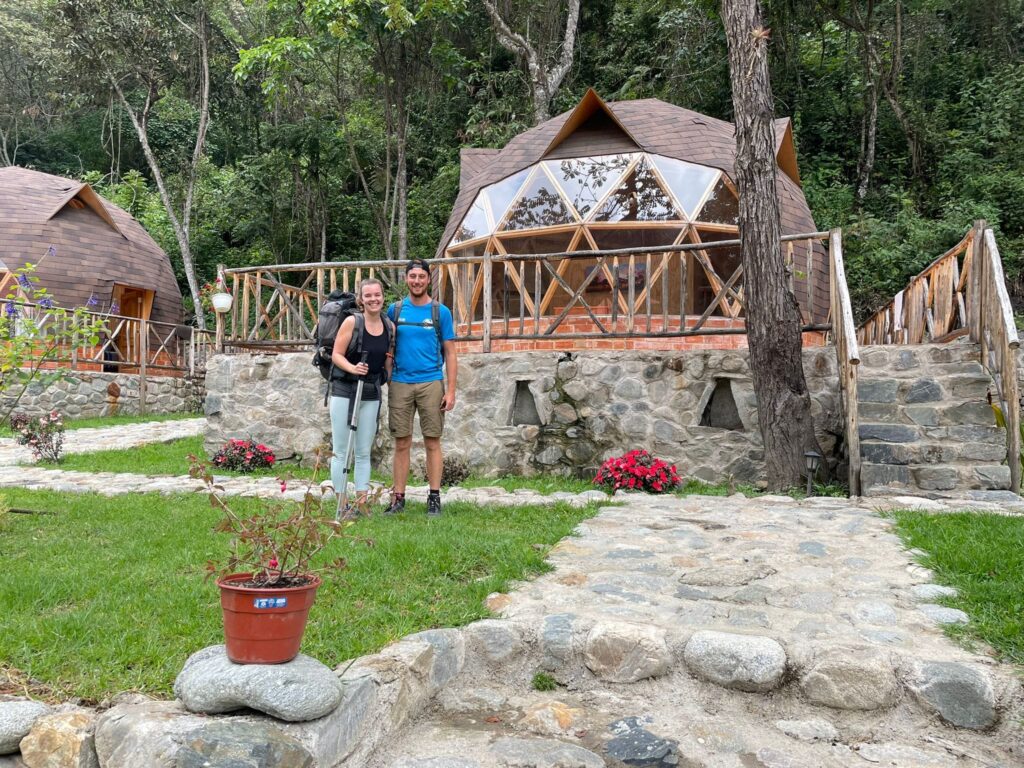
Duration is not the only difference you should compare. Some programs include basic campsites, others use domes, cabins, or private accommodations, and certain tours offer luggage transportation along part of the route. These conditions directly affect both rest and budget.
It is also worth confirming whether the rate includes meals, entrance fees, a guide, final transportation, train, accommodation in Aguas Calientes, and assistance for altitude sickness. Two four- or five-day tours may have different prices because their services are not equivalent.
Which Salkantay Trek duration should you choose?
The best duration depends on your trekking experience, fitness level, budget, and the number of days you have available in Cusco. There is no single right choice for everyone: a traveler with limited time may prefer four days, while someone else may feel more comfortable with a five-day schedule.
In addition to reviewing the duration, consider reserving a few days beforehand to acclimatize in Cusco. Physical preparation and proper altitude acclimatization have a greater impact on the experience than simply choosing the shortest or longest program.
For travelers with limited time
The four-day version can be a reasonable alternative if you have only a few days available and want to include Machu Picchu on the same trip. It is an option that requires carefully reviewing the intensity of each day and arriving with appropriate physical preparation.
Avoid choosing it simply because it seems faster. If you are not acclimatized or are not used to walking for several consecutive hours, a condensed itinerary may feel more demanding than expected. Ideally, spend at least a few days beforehand in Cusco or the Sacred Valley to adapt.
For those who prefer a more gradual pace
The five-day option is generally better suited to those who want to spread out the effort and hike at a more relaxed pace. Having an additional stage can make recovery between days easier, especially after the highest sections.
It is also a good alternative if you value having more time at the accommodations and do not want to rely on an overly tight itinerary. Even so, confirm the hiking hours, as the additional duration alone does not guarantee shorter days.
For beginners on multi-day hikes
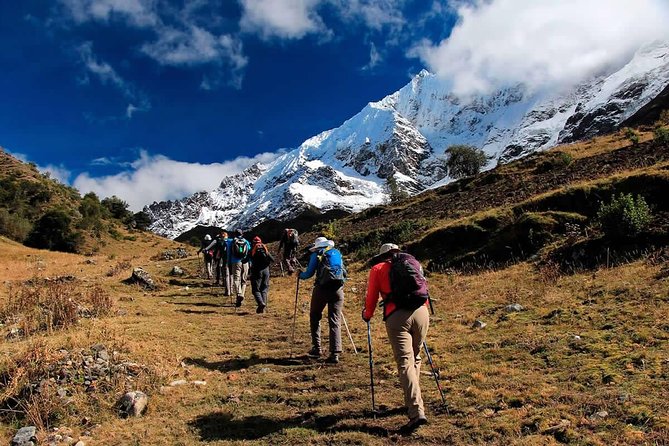
For someone doing their first multi-day hike, a longer program can make it easier to distribute the stages. This can help manage accumulated fatigue better and provide more time to organize gear each day.
However, physical preparation and acclimatization are still necessary. Walking regularly before the trip, testing the boots you will wear, and consulting a healthcare professional if you have any medical condition are recommended steps before taking on this route.
Factors to review before choosing
Before choosing a program, compare the complete itinerary and not just the number of days. Daily distance, ascents, rest quality, and included transfers can significantly change the difficulty of the Salkantay Trek.
It is also useful to request in writing which services are included and which must be paid for separately. This will help you estimate the true cost of the trip and avoid unexpected expenses related to transportation, luggage, entrance fees, or accommodation.
Hiking hours per day
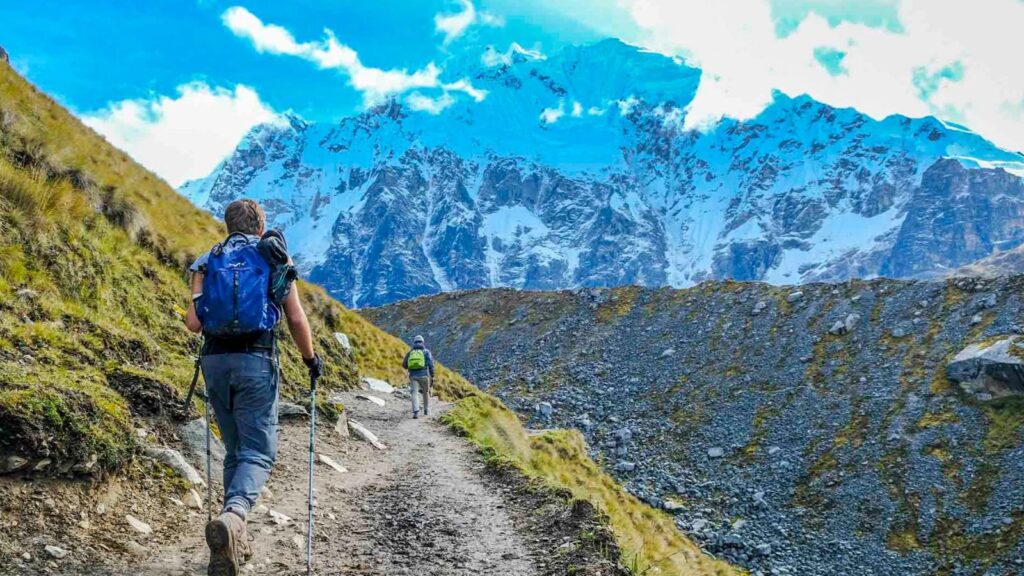
Check how many hours you will hike each day, rather than relying only on the distance in kilometers. On mountain routes, elevation gain, trail conditions, altitude, and planned breaks can make a short stage take several hours.
Two programs with the same duration can have different difficulty levels. A five-day itinerary may include one long day, while a four-day itinerary may shorten a section using transportation. Always request the day-by-day details before confirming your booking.
Transportation and included sections
Some itineraries use ground transportation or trains to shorten certain sections of the route. This can be useful for travelers with less time or those looking to reduce hiking hours, but you should clearly confirm which parts are actually completed on foot.
Also ask where the hike starts and ends, how you reach Machu Picchu, and whether the return to Cusco is included. If you need help comparing itineraries, trains, or availability, the Salkantay.tours team can guide you through the logistics before booking.
Tour accommodations and services
Compare the type of accommodation planned for each night. Sleeping in a tent is not the same as staying in a cabin, a dome, or lodging with a private room. The availability of showers, bathrooms, electricity, and warmth can also affect your recovery.
Check whether the tour includes meals, luggage transportation, a guide, a first-aid kit, entrance fees, train, and final bus. Also confirm whether there is an additional cost for a sleeping bag, trekking poles, accommodation before or after the hike, and accommodation upgrades.
Which option is most recommended?
The five-day Salkantay Trek is often a good choice for those seeking a more gradual experience and wishing to distribute the effort more evenly. It can provide more room to rest and adapt to the mountain pace, as long as the itinerary is well organized.
The four-day route may be better suited to travelers with less time, good fitness, and comfort with more intense days. The final choice should be based on the actual itinerary, hiking hours, transportation, and included services, not only on the advertised number of days.
Frequently asked questions about the Salkantay Trek duration
Duration is one of the most common questions when planning this hike. These answers will help you identify which program best suits your available time and physical preparation.
How many days do you need for the Salkantay Trek?
Most Salkantay Trek programs last four or five days. There are also shorter versions that include transportation and longer options with additional nights or complementary routes.
The best duration will depend on how the hikes are distributed, the time you have in Cusco, and your ability to walk for several consecutive days.
Is it better to do the Salkantay Trek in 4 or 5 days?
It depends on your available time and fitness level. The five-day program usually offers a more gradual pace, while the four-day option concentrates the effort into fewer days.
To choose, review the daily hiking hours, elevation changes, accommodations, and transfers included in each option.
Is the 4-day route more difficult?
It usually has more concentrated days, so it may feel more demanding. However, the final difficulty depends on the distances, elevation changes, altitude, and transportation included by the operator.
Good acclimatization and prior physical preparation can make a significant difference, regardless of the duration you choose.
Does the 5-day route include more places?
It may include more time at certain points or additional stops, but the exact places depend on the itinerary offered by each company. Not all five-day programs follow the same route or include the same services.
Before booking, request the details of each day to confirm which visits, accommodations, and transportation the tour includes.