


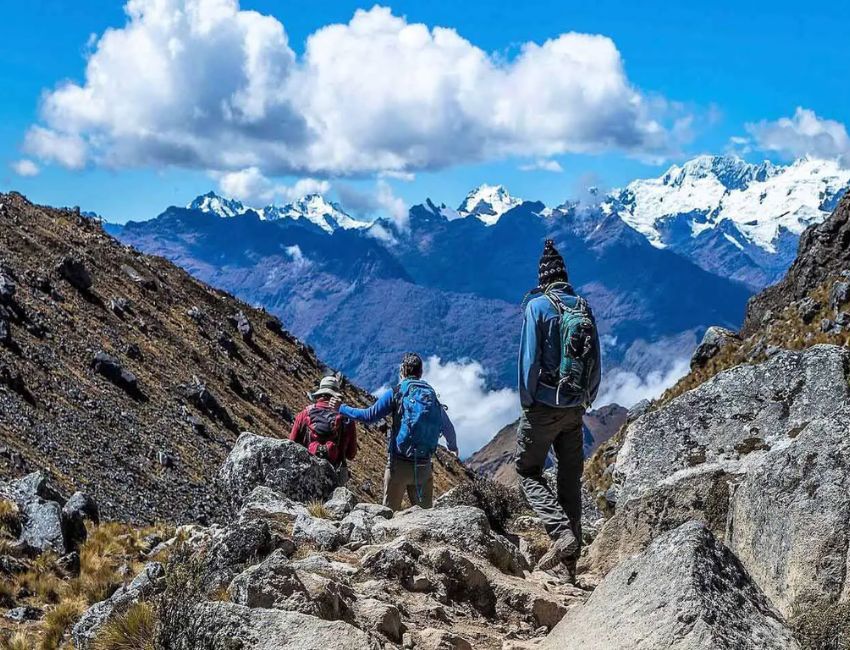
The best time to hike the Salkantay Trek is usually during the dry season, between April and October, due to less frequent rainfall and generally better trail conditions. May, June, September, and early October usually offer a good balance between weather and visitor numbers. Even so, the weather can change quickly due to the altitude and the different ecosystems along the route.
The route passes through high-mountain areas near the Salkantay snow-capped peak, then descends toward warmer and more humid cloud forest areas. For this reason, even during the dry months, it is advisable to bring layered clothing, waterproof protection, and be prepared for temperature changes within the same day.
What is the best time to hike the Salkantay Trek?
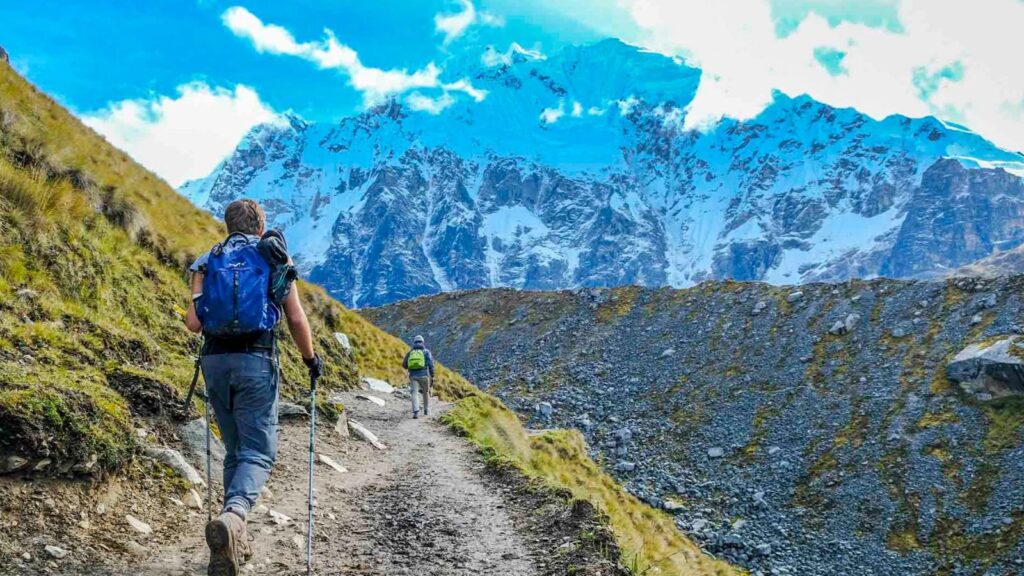
The dry season, from April to October, usually offers the most favorable conditions for hiking: fewer rainy days, better mountain visibility, and generally firmer terrain. This makes progress easier on high-altitude sections and allows you to enjoy the views more when the skies are clear.
However, the ideal date depends on each traveler’s priorities. Those who tolerate the cold well and seek drier days may prefer June, July, or August. If you are looking for fewer visitors and somewhat milder temperatures, May, September, and the first days of October are usually convenient alternatives.
Dry season from April to October
During the dry season, there is usually less rainfall, better mountain visibility, and generally firmer trails. These conditions are especially useful in the high-altitude sections, where heavy rain can make the trail more slippery and reduce visibility.
The main drawback is the cold at night, especially between June and August. At high-altitude camps such as Soraypampa, temperatures can drop considerably at dawn. This period also coincides with higher demand for tourism services, particularly during mid-year holidays.
Rainy season from November to March
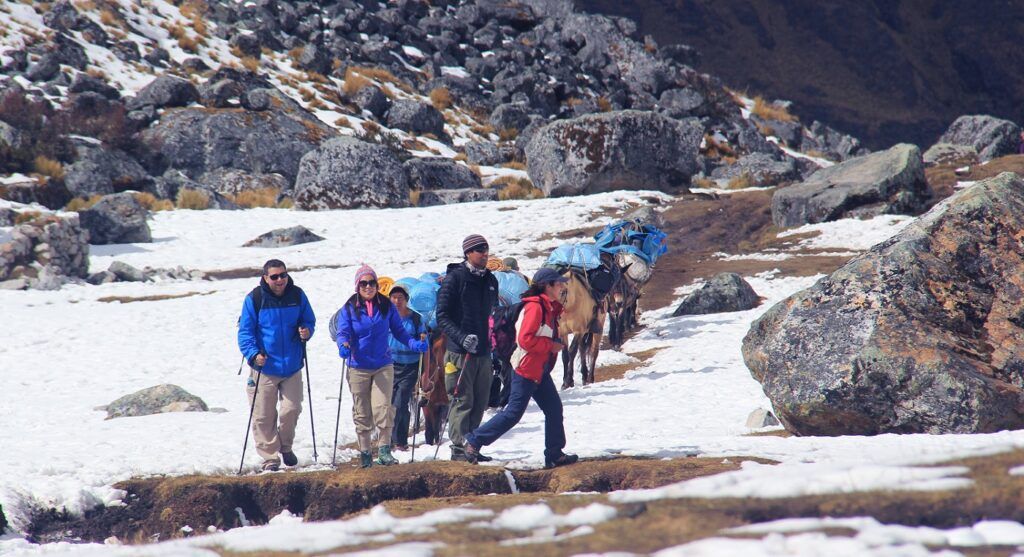
From November to March, rain can reduce visibility and create wet trails, with mud on some sections. Cloud cover can hide the peaks, and rainfall is more likely in the afternoons, although the exact pattern changes from year to year.
SERNANP identifies November through March as the rainy season in the Historic Sanctuary of Machupicchu. Hiking the Salkantay Trek during this period may be possible if operating conditions allow, but it requires proper waterproof gear, greater tolerance for route changes, and flexible planning.
Best months to hike the Salkantay Trek
The most recommended months depend on the combination you seek between dry days, cold nights, and the number of travelers. No month completely eliminates the risk of rain, but some periods tend to be more balanced for a comfortable hike.
May, June, and September are often highly valued options. July and August usually have drier weather, although they also attract more groups and bring colder nights. October can work well at the beginning of the month, before rain becomes more frequent.
May and June
May and June usually offer dry days, good visibility, and landscapes that still retain some of the greenery left by the rains. May, in particular, can be a good alternative for those who want greener vegetation without facing the usual rainfall of the previous months.
In June, the weather is usually more stable, but high-altitude nights can already be very cold. It is recommended to bring a thermal base layer, hat, gloves, and a sleeping bag suitable for low temperatures if the service does not include one or if you want extra warmth.

July and August
July and August usually bring dry conditions and good visibility, making them popular months for travelers who prioritize the weather. Trails tend to remain in better condition than during the rainy season, although isolated weather changes can always occur.
On the other hand, these months have colder nights and higher tourist demand. It is advisable to book in advance, especially if the itinerary includes entry to Machu Picchu, a return train, or accommodation in Aguas Calientes. It is also recommended to expect more activity in Cusco and transportation services.
September and October
September and October can offer milder temperatures and fewer travelers than July and August. September usually maintains several dry days and can be a practical time for those seeking to avoid the highest concentration of visitors during peak season.
In October, rainfall may gradually begin to increase, especially in the second half of the month. For this reason, it is advisable to travel with a waterproof jacket, a backpack protected from moisture, and realistic expectations: a clear day can turn into light rain or mist within a few hours.
How the weather changes along the route
The Salkantay Trek crosses high-mountain areas and cloud forest sections, so conditions are not the same throughout the journey. A traveler may start the day in freezing temperatures, walk under intense sun at midday, and finish in a warmer, more humid environment.
This variation is one of the most underestimated factors when preparing your packing list. It is not enough to check the forecast for Cusco: it is advisable to consider camp conditions, the altitude of each section, and the possibility of rain during the descent to lower areas.
Weather in Soraypampa and the Salkantay Pass
Soraypampa and the Salkantay Pass are the highest areas of the route. Intense cold, wind, frost, and sudden temperature changes can occur there. The pass is at high altitude, so physical effort and wind chill can increase when the wind picks up.
For these sections, bring quick-drying thermal clothing, a waterproof and windproof outer layer, gloves, and a hat. A common mistake is hiking with too many layers when the sun is out and arriving sweaty in a windy area; adjusting your clothing while walking helps retain body heat.
Weather in Chaullay and the cloud forest
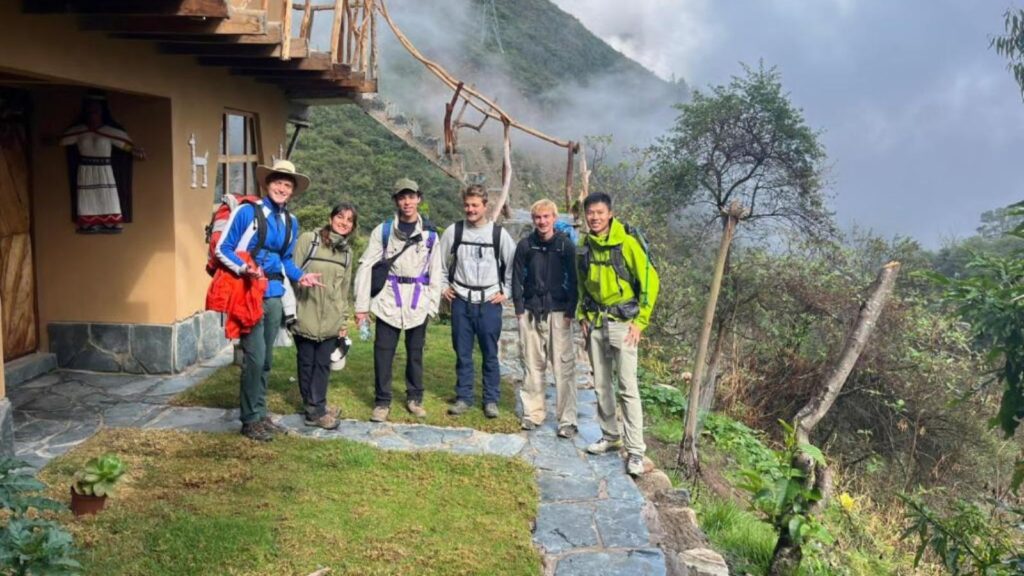
Chaullay and lower-altitude sections tend to be warmer and more humid, with a greater chance of rain. As you descend, heavy warm clothing becomes less necessary during the day, but rain protection remains useful.
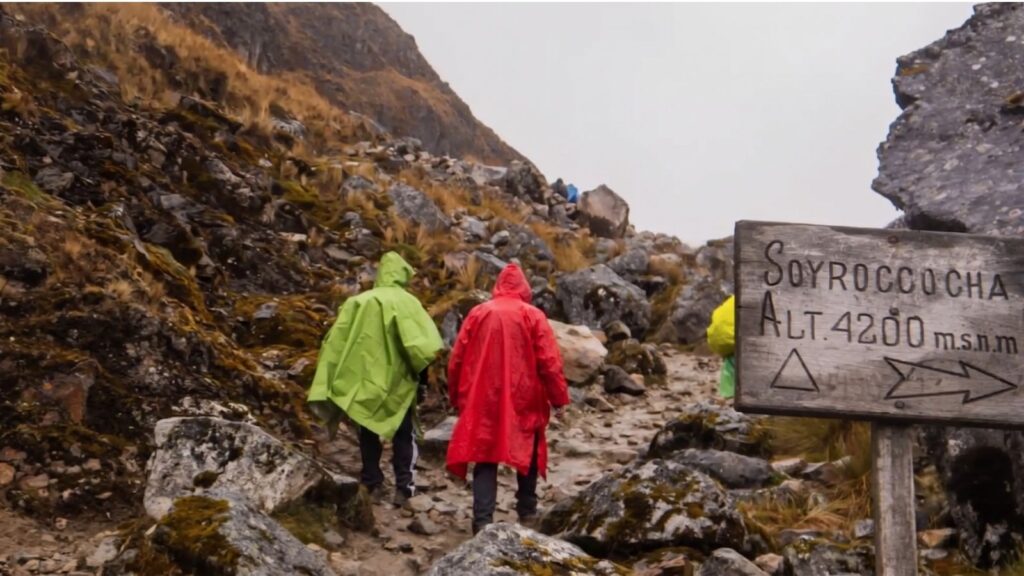
In this part of the route, there may be insects, mud, and humidity, especially between November and March. A poncho or waterproof jacket, backpack cover, and footwear with good traction help you hike more safely. It is also a good idea to keep a dry change of clothes in a waterproof bag inside your backpack.
When to hike the Salkantay Trek based on your preferences
Choosing a date for the Salkantay Trek does not depend only on the weather calendar. It also matters whether you prefer milder temperatures, drier trails, green landscapes, smaller groups, or greater budget flexibility.
Before confirming a departure, review what the service includes, the planned type of accommodation, the policy for weather-related changes, and the logistics for reaching Machu Picchu. These details can be just as important as the month you choose.
For the best weather conditions
For the best weather conditions, it is advisable to prioritize the central months of the dry season, mainly from May to September. During this period, there is usually less rain and more opportunities to see the mountains clearly.
No date guarantees a complete absence of rainfall. The altitude and proximity of different ecosystems make the weather variable, even on days that begin clear. Bringing rain gear and cold-weather protection remains necessary throughout the year.
To avoid the busiest months
If you want to avoid the busiest months, May, September, or early October are usually favorable alternatives to July and August. These dates may offer an experience with less pressure on the availability of certain services.
Traveling outside peak season does not mean hiking empty routes, as the Salkantay Trek remains in demand for much of the year. Even so, you are more likely to find departure and accommodation options with slightly more flexibility than during the peak weeks of July and August.
To see greener landscapes
To see greener landscapes, April and May are usually recommended months. After the rainy season, vegetation in the lower sections retains moisture, and the surroundings tend to look greener than during the driest winter months.
In April, occasional rain may still occur, and some trails may remain damp. If you choose this month, prioritize boots with good soles and waterproof gear. May usually offers a more favorable transition between green landscapes and a lower chance of rainfall.
For travel with a more flexible budget
Prices and availability can change depending on the season, group size, type of campsite, trains, and final accommodation. Comparing several dates allows you to identify differences in included services and tailor the trip to a more flexible budget.
Before booking, review the payment, cancellation, and date-change conditions. During the highest-demand months, some services related to Machu Picchu may have limited availability. If you need to coordinate the route, tickets, trains, or accommodation, you can contact the Salkantay.tours team directly to review the available alternatives for your dates.
Least recommended months for the Salkantay Trek
Months with more frequent rainfall can make some sections of the Salkantay Trek more difficult and lead to operational changes. Rain does not necessarily prevent the hike, but it increases the need for preparation, caution, and flexibility.
Trail conditions change according to the intensity of rainfall. Before starting your trip, it is advisable to confirm the route status, the operator’s recommendations, and any current guidance from local authorities or SERNANP for access to Machu Picchu.
January and February
January and February are usually part of the rainiest period. Wet trails, mud, lower visibility, and itinerary changes may occur when safety conditions require adjustments.
February requires special attention when planning, as the operation of routes and services related to Machu Picchu may vary. You should not assume that the itinerary will operate in the same way as during the dry season. Check updated conditions before buying flights or confirming non-refundable bookings.
November, December, and March
November, December, and March are transition or rainy-season months, with conditions that vary from year to year. There may be clear mornings and afternoon rain, but also periods of more persistent precipitation.
These months may work for travelers who accept greater weather uncertainty and want to avoid the most intense cold of June and July. The key is to have suitable footwear, spare clothing protected from moisture, and room for possible operational changes.
Questions about timing your Salkantay Trek
The month you choose affects the weather, the perceived difficulty of the trail, your packing list, and service availability. These answers can help you choose a realistic date based on your priorities and physical preparation.
What is the best month to hike the Salkantay Trek?
May, June, and September usually stand out for their balance of weather, visibility, and visitor numbers. May offers still-green landscapes, June usually brings dry conditions, and September can have somewhat milder temperatures than the central winter months.
The best final choice depends on your tolerance for cold and your flexibility regarding weather changes. For most travelers, May or September are balanced options.
Can you hike the Salkantay Trek during the rainy season?
Yes, it may be possible depending on current conditions and the agency’s operations, but it requires greater preparation for rain and flexibility for changes. Trails may be wet and muddy, and visibility can be limited.
It is recommended to wear waterproof boots, reliable rain layers, and dry bags to protect documents and clothing. Check the route status before starting your trip.
What is the coldest month on the Salkantay Trek?
June and July usually have especially cold nights in the highest-altitude areas. In Soraypampa and near the Salkantay Pass, frost may occur, especially during clear early mornings.
The cold is felt mainly at dawn and after sunset. A layering system, gloves, a hat, and a suitable sleeping bag help you rest more comfortably.
When are there fewer tourists on the Salkantay Trek?
There are usually fewer visitors outside July and August, especially at the beginning or end of the dry season. May, September, and early October generally offer more moderate activity than the highest-demand months.
The number of travelers can also vary due to holidays, international vacations, and availability at Machu Picchu. If you are looking for quieter dates, avoid booking around major holidays and check occupancy in advance.
How far in advance should you book?
During June, July, and August, it is advisable to book further in advance, especially when the route includes tickets, trains, or accommodation in Machu Picchu. Availability may decrease before your travel date.
In other months, booking ahead is still recommended to organize flights and services without relying on last-minute options. Before paying, confirm which elements are included and which must be arranged separately.