


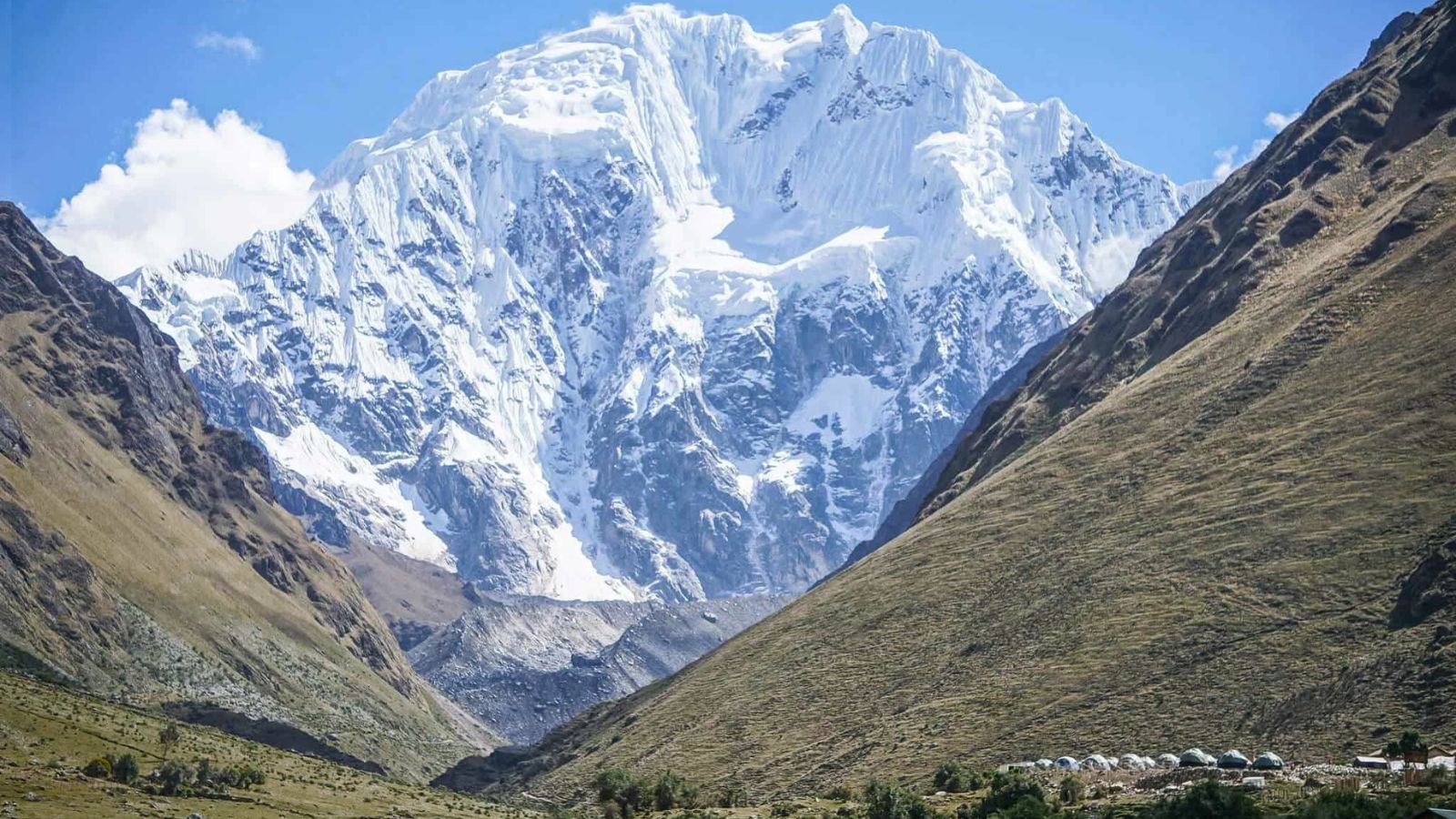
The Salkantay Trek weather month by month changes depending on the time of year and the altitude of each section. April to October generally corresponds to the driest period, while most rainfall is concentrated from November to March. Even so, Salkantay Pass can bring intense cold, wind, rain, or snow even during the recommended season.
The route crosses high-altitude areas, valleys, and high jungle sections. For this reason, the same day may begin with frost near Soraypampa, continue with wind at the pass, and end with humid heat as you descend toward Chaullay. Checking the forecast before departure and bringing layered clothing helps you handle these changes.
Salkantay Trek weather in January
January falls within the rainy season in the Cusco region. Clouds, rainfall, and reduced visibility in mountain sections are common, especially in the afternoon.
The landscape is very green, but rain can affect hiking comfort. It is best to travel with a rain jacket, backpack cover, and footwear with good grip.
Temperatures and rainfall in January
The high-altitude areas of the Salkantay Trek remain cold, especially before sunrise and at night. The wind chill can drop when there is wind or rain.
In the high jungle sections, conditions are warmer and more humid. Rain may occur at different times of day, although it usually becomes heavier in the afternoon or evening.
Trail conditions in January
Rain can create slippery paths, mud, and wet rocks in several sections of the route. Water crossings may also become more difficult after prolonged rainfall.
Some operators may adjust the itinerary depending on trail conditions. A common mistake is wearing urban sneakers instead of hiking boots or trekking footwear with sturdy soles.
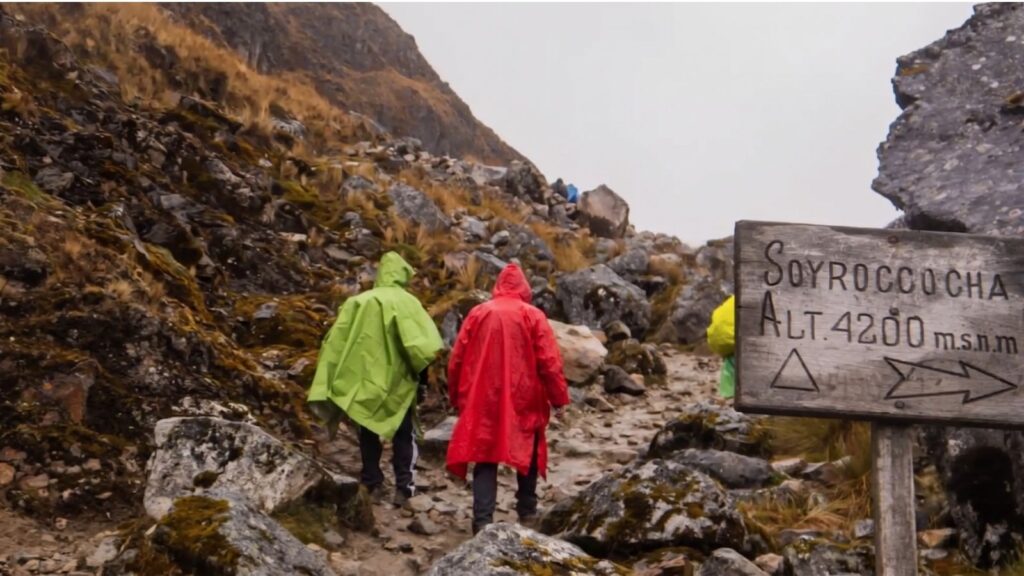
Salkantay Trek weather in February
February is part of the rainy period and may bring intense or prolonged rainfall for several days. It is a month with greater weather uncertainty for this hike.
Before booking, it is advisable to confirm that the route is operating and check the expected conditions. Logistical decisions may vary according to the safety of each section.
Temperatures and rainfall in February
In February, partly clear mornings may alternate with rain in the afternoon or evening. Clouds often cover the mountains quickly.
Temperatures remain cold at high-altitude campsites, while the descent toward the high jungle brings a milder and more humid environment. Quick-drying clothing is more practical than heavy cotton garments.
Trail conditions in February
Mud, low visibility, and landslides in exposed areas can affect certain sections. Continuous rain causes the terrain to change from one day to the next.
Operational changes may be made depending on trail conditions. Those traveling this month should remain flexible and have waterproof protection for their body, backpack, and documents.
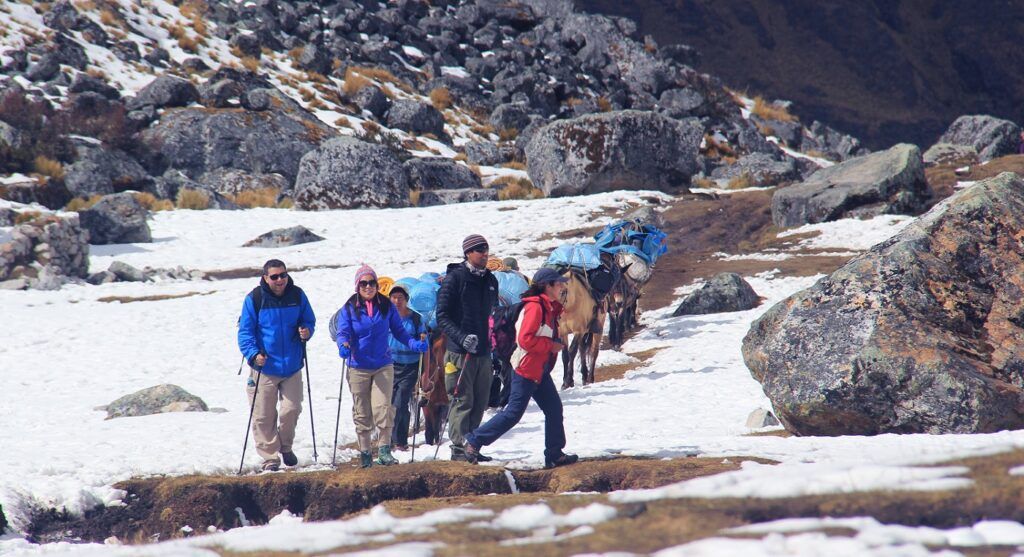
Salkantay Trek weather in March
March marks the final part of the rainy season, although rainfall can still be frequent. The weather usually begins to show more stable intervals than in January and February.
Vegetation remains abundant, and the landscapes retain their vivid color. However, it is not advisable to assume that the trail will be completely dry.
Temperatures and rainfall in March
Temperatures may begin to improve during the day, especially in the lower sections of the route. Even so, high-altitude areas remain cold at night and in the early morning.
Rain can still occur frequently, particularly in the afternoon. Bringing a waterproof outer layer remains necessary even if the day starts with clear skies.
Trail conditions in March
Landscapes usually retain abundant vegetation after several months of rain. This enhances views of the valleys and high jungle during the descent.
Some sections may remain wet or muddy. Trekking poles help maintain balance on descents with wet rocks and uneven surfaces.
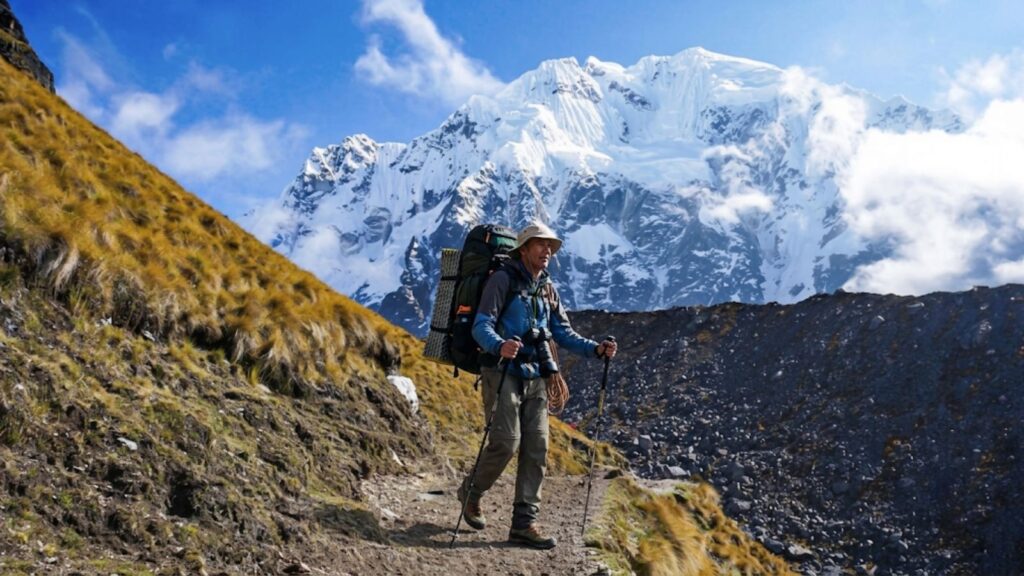
Salkantay Trek weather in April
April is a transitional month between the rainy and dry seasons. It may bring clear days along with occasional rainfall, so it is still wise to travel prepared for rapid changes.
For many travelers, April offers a balance between green landscapes and better chances of visibility. Weather variability still requires checking the forecast shortly before starting the route.
Temperatures and rainfall in April
Rainfall usually decreases gradually throughout the month, although the weather can remain variable. Mornings may be clear, with rain appearing later in the day.
At high-altitude campsites, temperatures drop noticeably after sunset. A sleeping bag suitable for cold nights is still necessary.
Trail conditions in April
The route may retain wet sections, especially in shaded areas, descents, and passages near watercourses. Even so, it generally begins to offer better hiking conditions.
Trails usually become firmer as the weeks go by. However, it is advisable to bring a rain poncho and a dry change of clothes protected inside your backpack.
Salkantay Trek weather in May
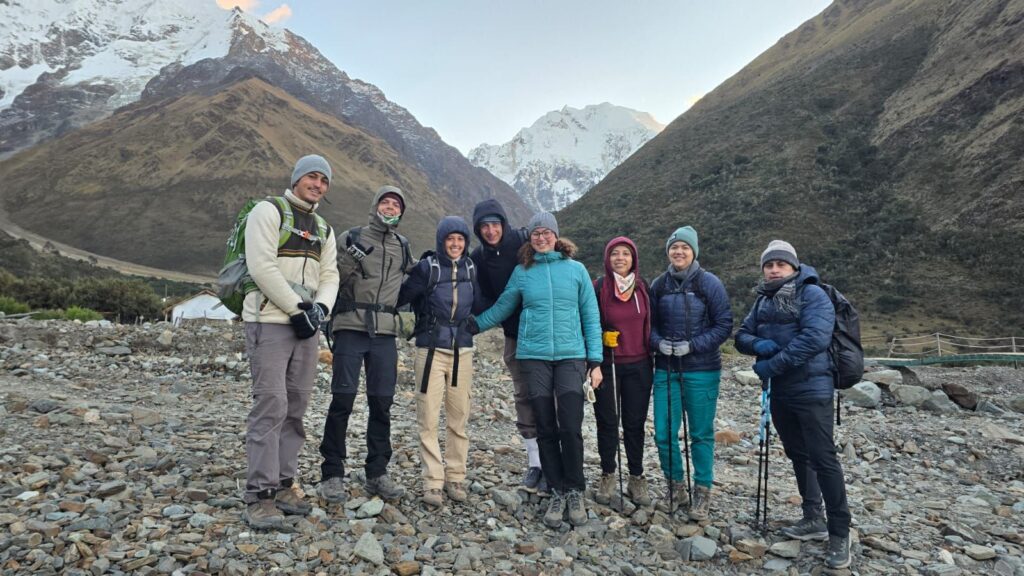
May usually brings drier days, good visibility, and landscapes that are still green after the rainy season. It is one of the preferred months for travelers seeking better hiking conditions without losing the greenery of the surroundings.
The increase in visitors can also make some services more in demand. Booking in advance makes it easier to arrange campsites and transfers.
Temperatures and rainfall in May
Rain is usually less frequent in May, although isolated showers are still possible. During the day, the weather can feel pleasant when there is sunshine.
Nights begin to feel colder at high-altitude campsites. It is recommended to wear thermal layers, a hat, and gloves for a more comfortable rest.
Trail conditions in May
Trails are usually firmer than during the rainy months. This reduces mud in many sections and makes descents easier.
The chance of clearly seeing the mountains increases during the early hours of the day. Starting early lets you make the most of the visibility before clouds appear.
Salkantay Trek weather in June
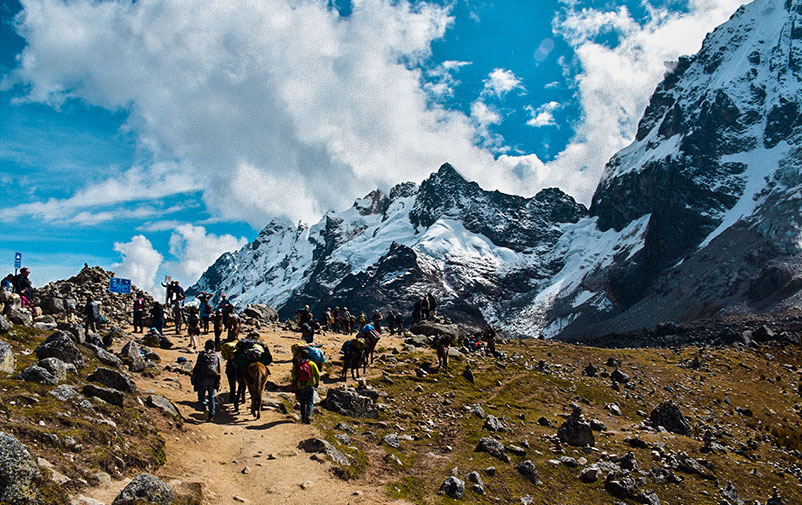
June is part of the dry season and usually offers clear skies during the day. It is a good time for travelers who prioritize views of the snow-capped mountain and trails with less moisture.
The advantage of less rain comes with very cold nights and early mornings. Cold-weather gear is just as important as sun protection.
Temperatures and rainfall in June
Rainfall is usually scarce in June. However, nights and early mornings can bring very low temperatures in the highest sections.
Solar radiation can feel intense during the day, even when the air is cold. Sunscreen, UV-filter sunglasses, and a hat are useful items for the hike.
Trail conditions in June
Trails are usually dry, and conditions favor views of the Salkantay snow-capped mountain. Mornings often provide the clearest views.
In shaded areas, there may be early frost on the ground. Walking carefully during the first hours reduces the risk of slipping.
Salkantay Trek weather in July
July is usually one of the driest months on the Salkantay Trek, but it is also one of the coldest at night. It is a common time for travelers looking for clearer skies and a lower chance of rain.
Tourist demand is usually high, so it is best to plan your itinerary in advance. The cold should not be underestimated, especially at campsites near the pass.
Temperatures and rainfall in July
Frost, wind, and temperatures near or below zero may occur in the highest sections. The night can feel very cold even if the day was sunny.
Rain is uncommon but not impossible. Bringing a lightweight waterproof layer is still useful because conditions can change quickly near Salkantay Pass.
Trail conditions in July
July generally offers good visibility, and trails usually remain dry. This favors mountain viewing and progress through open areas.
The wind chill can drop considerably at Salkantay Pass due to the wind. A windbreaker, thermal gloves, and a warm mid-layer help retain heat.
Salkantay Trek weather in August
August maintains mostly dry conditions and generally clear days. It is a favorable month for hiking with less mud and good visibility opportunities.
Nighttime temperatures remain low, so preparation should focus on both sunny hiking days and resting at high altitude.
Temperatures and rainfall in August
Nights remain cold, and the wind can feel stronger in open areas. This is more noticeable near the pass and at high-altitude campsites.
Rainfall is usually limited, although a rain-free route cannot be guaranteed. The temperature range between day and night can be significant.
Trail conditions in August
Trails are usually firm due to the lack of rain. This makes many uphill and downhill sections more comfortable.
Dust may increase in some sections because of dry terrain. A buff or scarf can be useful if there is wind or animals passing along the trail.
Salkantay Trek weather in September
September remains within the recommended season and may bring more pleasant daytime temperatures. Overall, it maintains a good balance between visibility and hiking conditions.
Toward the end of the month, some signs of the seasonal change may appear. For this reason, it is best not to stop carrying protection against occasional rain.
Temperatures and rainfall in September
Nights remain cold at high altitude, although daytime temperatures may feel more pleasant than in June or July. Sun exposure remains high.
Occasional rain may begin to occur toward the end of September. A compact rain jacket is an easy way to prevent an unexpected shower from affecting the day.
Trail conditions in September
There is usually good visibility and favorable hiking conditions for most of the month. Trails generally remain firm.
Service availability may be limited due to high-season demand. If you need to arrange an itinerary, transportation, or logistical details, you can contact the Salkantay.tours team directly before traveling.
Salkantay Trek weather in October
October is a transitional month toward the rainy season, with dry days combined with occasional rainfall. It can be a good option for travelers who accept greater variability in exchange for slightly warmer daytime temperatures.
The forecast should be checked carefully because changes can be sudden. Rain does not necessarily occur every day, but it is already part of the planning.
Temperatures and rainfall in October
Daytime temperatures may feel warmer, mainly during the descent toward the high jungle. In the upper section, mornings and nights remain cold.
The chance of rain increases gradually throughout October. It is advisable to protect warm clothing and electronics inside waterproof bags.
Trail conditions in October
Trails usually remain passable, although wet sections may appear after rain. Stone surfaces require special attention on descents.
It is necessary to prepare for sudden weather changes. Dressing in layers lets you remove or add clothing without delaying your progress too much.
Salkantay Trek weather in November
November generally marks the beginning of the rainy season in the Machu Picchu region. The surroundings regain moisture, and the landscape begins to show more pronounced greenery.
Hikes are still possible, but they require greater preparation for rain and mud. Mountain visibility can vary considerably from one hour to the next.
Temperatures and rainfall in November
Cloud cover increases, and rain may occur mainly during the afternoon or evening. Some mornings may still offer clear periods.
High-altitude areas remain cold, while the high jungle becomes warmer and more humid. A breathable waterproof layer helps prevent moisture buildup during physical exertion.
Trail conditions in November
Some sections begin to have mud and slippery surfaces. Hiking pace may be slower on descents or in areas with wet rocks.
The landscape also becomes greener, especially in valleys and lower sections. Bringing trekking poles and a waterproof backpack cover improves safety and comfort.
Salkantay Trek weather in December
December brings more frequent rain and variable conditions along the route. The weather may shift between sunshine, clouds, and rainfall during the same day.
It is a period that requires adjusting expectations about visibility of the snow-capped mountain. Planning should prioritize waterproof gear and flexibility for possible operational changes.
Temperatures and rainfall in December
Lower areas usually feel warm and humid during December. In contrast, higher-altitude campsites remain cold, especially at night.
Rainfall is more frequent than in the dry season. A poncho can provide good protection during persistent rain, although it should be used carefully in strong winds.
Trail conditions in December
Rain can reduce mountain visibility and make certain trail sections more difficult. Descents require shorter, more controlled steps on wet terrain.
Water crossings may have a stronger flow after heavy rain. You should never leave the indicated route or cross a section if the operations team recommends waiting.
Months with less rain on the Salkantay Trek
June, July, and August usually have the driest conditions for hiking the Salkantay Trek. No date guarantees a complete absence of rainfall, but the likelihood is generally lower during these months.
The main trade-off is the cold at high altitude at night. Travelers choosing this period should prioritize a good sleeping bag, thermal clothing, and wind protection.
Weather from June to August
Between June and August, generally clear skies, firm trails, and a better chance of seeing the Salkantay snow-capped mountain are common. These conditions favor photography and progress along dry paths.
The other side of the dry period is cold nights, frost, and wind in high-altitude areas. Arriving with insufficient clothing for low temperatures is one of the most common mistakes during these months.
Months with the most rain on the Salkantay Trek
January and February are usually within the rainiest stage of the trek. During these dates, rain can change the hiking experience and reduce mountain visibility.
Traveling then requires greater tolerance for moisture, mud, and possible itinerary adjustments. It is also advisable to consider extra days in Cusco in case conditions affect logistics.
Weather from January to February
Between January and February, there are more clouds, mud, and humidity along much of the route. Rain may be brief and intense or continue for several hours.
In return, landscapes look greener and temperatures are warmer in high jungle sections. Waterproof protection and appropriate footwear make a clear difference in travel comfort.
Weather transition months on the Salkantay Trek
April, October, and November can combine clear days with unexpected rain. These are transitional months when conditions do not always follow a fixed pattern.
These dates can be suitable for travelers prepared to adapt their gear and hiking pace. The forecast helps, but it does not replace the need to bring layers for cold, sun, and rain.
Weather changes during the transition months
Conditions can vary from one year to another and also between different points along the route. A sunny morning in Soraypampa does not guarantee the same weather at Salkantay Pass or on the descent.
You should check the forecast before starting the hike and listen to recommendations from the local team. Packing a backpack with quick access to a rain jacket, hat, and gloves prevents delays when the weather changes.
Salkantay Trek temperatures by altitude
The route crosses different climates due to altitude changes between the campsites, Salkantay Pass, and the high jungle. Temperatures drop noticeably in high-altitude areas and rise as you move toward lower valleys.
For this reason, checking only the temperature in Cusco or Machu Picchu is not enough. It is necessary to consider the specific conditions at each point along the trek.
Temperatures in Soraypampa
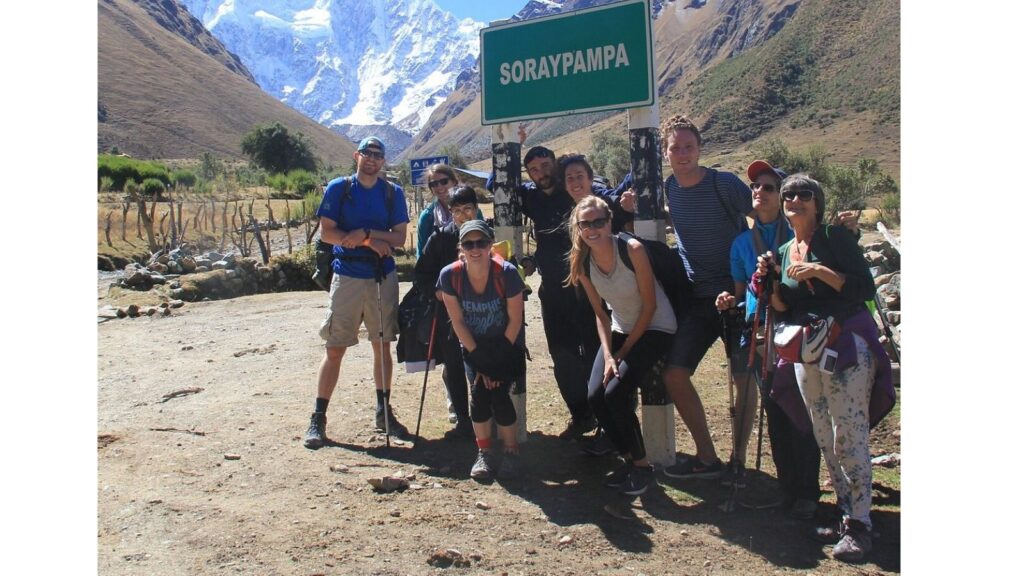
In Soraypampa, mornings and nights are usually cold due to its high elevation. Even during the dry season, it is common to need thermal clothing when getting out of your sleeping bag.
There is also a chance of rain, frost, or sudden changes. Having gloves, a hat, and a water-resistant outer layer helps you respond to these variations.
Temperatures at Salkantay Pass
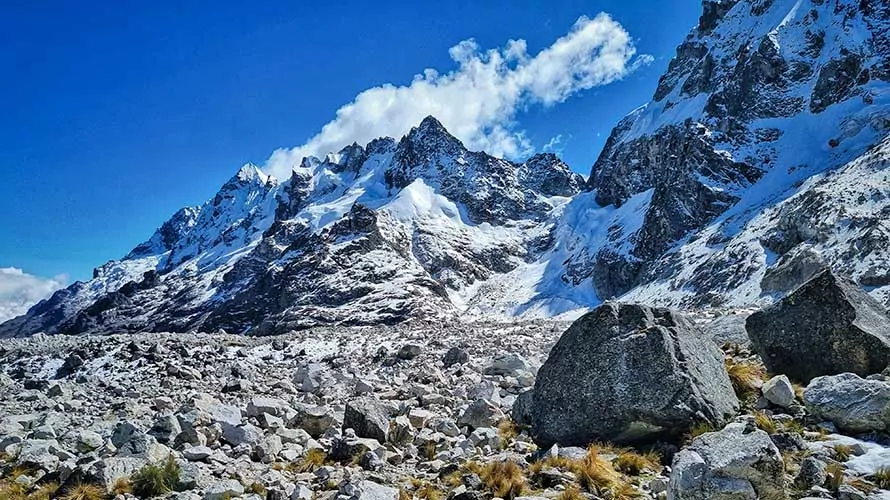
Salkantay Pass is one of the coldest and most wind-exposed sections of the entire route. The wind chill can drop noticeably when there is cloud cover or precipitation.
Snow or sleet may occur, especially when temperatures drop. Wearing thermal layers, a windbreaker, and suitable footwear is necessary to cross this section more safely.
Temperatures in Chaullay and the high jungle
In Chaullay and the high jungle, conditions become warmer and more humid as altitude decreases. During the day, the heat can feel intense after several hours of hiking.
Rain remains possible, especially in the wet months. Lightweight quick-drying clothing, insect repellent, and a waterproof layer are practical options for this section.
Questions about monthly Salkantay Trek weather
These answers cover the most frequently asked questions about each month’s weather conditions. They serve as general guidance, but the weather can vary before and during the trek.
Checking the updated forecast and preparing your gear for cold, sun, wind, and rain remains the most useful measure regardless of your chosen date.
What is the driest month for the Salkantay Trek?
July is usually among the driest months for the Salkantay Trek. It generally offers a lower chance of rain and good daytime visibility. However, nights can be especially cold at high-altitude campsites.
What is the rainiest month on the Salkantay Trek?
January and February usually record more frequent rainfall. During those months, there are more clouds, mud, and a possibility of prolonged rain. Operating conditions may change depending on the state of the route.
What is the coldest month on the Salkantay Trek?
June and July usually bring the coldest nights in high-altitude areas. Frost and temperatures near or below zero are possible. The cold feels stronger if there is wind at Salkantay Pass.
In which month are the landscapes greenest?
March, April, and May usually retain more vegetation after the rains. Valleys and high jungle sections show greener surroundings. In March, wet sections and frequent rainfall may still persist.
In which month is visibility of the Salkantay snow-capped mountain best?
June, July, and August usually offer clearer skies and better visibility opportunities. The early morning hours are often the most favorable. Nevertheless, cloud cover can appear at any time of year.
Can it snow on the Salkantay Trek?
Yes, snow or sleet can occur at Salkantay Pass and other high-altitude sections. This happens especially when temperatures drop and there is precipitation. Even during the dry season, high-mountain weather can change quickly.