


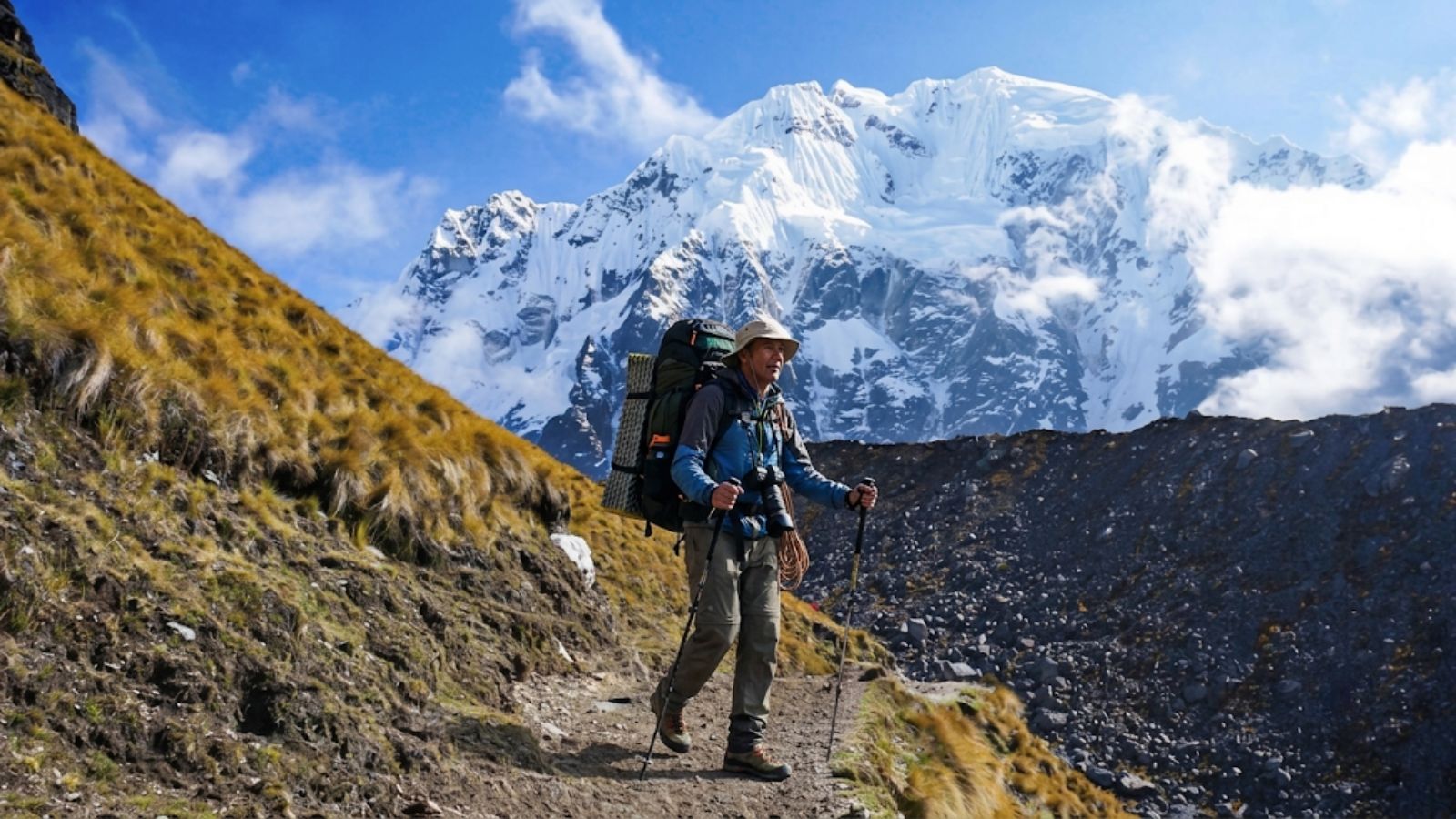
To know what to pack for the Salkantay Trek, prepare luggage that will help you handle mountain cold, rain, intense sun exposure and humid heat during the descent. You will need a lightweight daypack for hiking and, when included in your service, a duffel bag for gear carried by the operator. Before traveling, confirm the permitted weight, provided equipment and baggage restrictions for the train and Machu Picchu.
Daypack and duffel bag for the Salkantay Trek
How you distribute your luggage directly affects your comfort. During the hike, you should carry only what you need for the day, while spare clothing and camping gear can go in the bag carried by horses, mules or vehicles, depending on your booked itinerary.
Not all routes use the same logistics system. Some agencies transport a personal bag during the first days, while others combine cargo transport with vehicle sections, so it is best to request a written list of what is included.
Small hiking backpack
Use a comfortable backpack with padded straps and a chest or waist adjustment. It should have enough capacity for water, waterproof clothing, a warm layer, sun protection, documents, a camera and items for immediate use.
Avoid carrying items you will not use until reaching camp. An overly heavy backpack increases effort on ascents and can be uncomfortable on long descents or muddy trails.
Duffel bag for main gear
Some agencies provide a travel bag or duffel to carry clothing, a sleeping bag and personal items. This bag usually travels with the support team and is delivered at the end of each day, although timing may vary according to trail conditions.
Confirm the maximum weight accepted by the operator before packing. Do not assume you can hand over a large suitcase, as the limit depends on the transport system and group organization.
Rain cover and inner bags
Protect your backpack with a rain cover, even if you travel during the dry season. Rain can appear suddenly in high-altitude areas and during the descent toward wetter zones.
Keep clothing, documents and electronic devices inside waterproof bags or securely sealed bags. Separating items by category also makes it easier to find what you need without emptying your entire backpack.
Train luggage limit
PeruRail normally allows one bag or backpack of up to 8 kg and 115 cm in linear dimensions on services to Machu Picchu. This measurement is the sum of the luggage length, height and width.
Conditions may vary depending on the booked service, so you should check them before your trip. Plan ahead which backpack you will take on the train and where the main luggage you do not need in Machu Picchu will be stored.
Clothing for changing temperatures
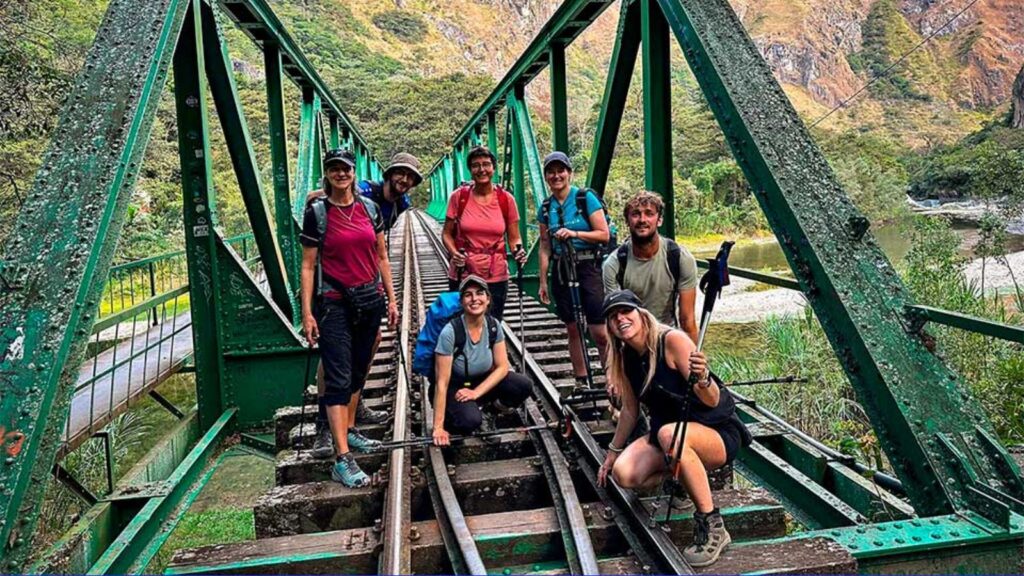
The best way to dress for the Salkantay Trek is in layers. The route crosses cold high-mountain areas, wind-exposed passes and warm high-jungle sections, where humidity may increase during the day.
Your clothing should be lightweight, quick-drying and easy to combine. Bringing too many clothes adds weight, but traveling with too few layers can leave you exposed to nighttime cold or rain.
- Breathable shirts
- Thermal base layer
- Warm jacket
- Waterproof and windproof jacket
- Trekking pants
- Underwear and socks
- Hat, gloves and neck protection
Footwear for the Salkantay Trek
Your footwear must handle dirt trails, rocks, mud, slopes and wet surfaces. Choosing boots only for their appearance or buying them without trying them first can affect the entire hike.
Fit, grip and comfort are the priorities. A waterproof model can be useful, but it should still provide good ventilation and enough room for your toes.
- Trekking boots or shoes
- Previously used footwear
- Sandals or camp footwear
- Gaiters for mud and rain
Sleeping gear for camps
Nights on the Salkantay Trek can be cold, especially at the first higher-altitude camps. The gear you need will depend on what the agency includes and the forecast temperatures for your travel dates.
Before packing, ask whether the operator provides tents, sleeping pads, sleeping bags or rental items. Not all sleeping bags offer the same level of warmth.
- Sleeping bag
- Sleeping bag liner
- Dry clothes for sleeping
- Headlamp
Protection from rain and humidity
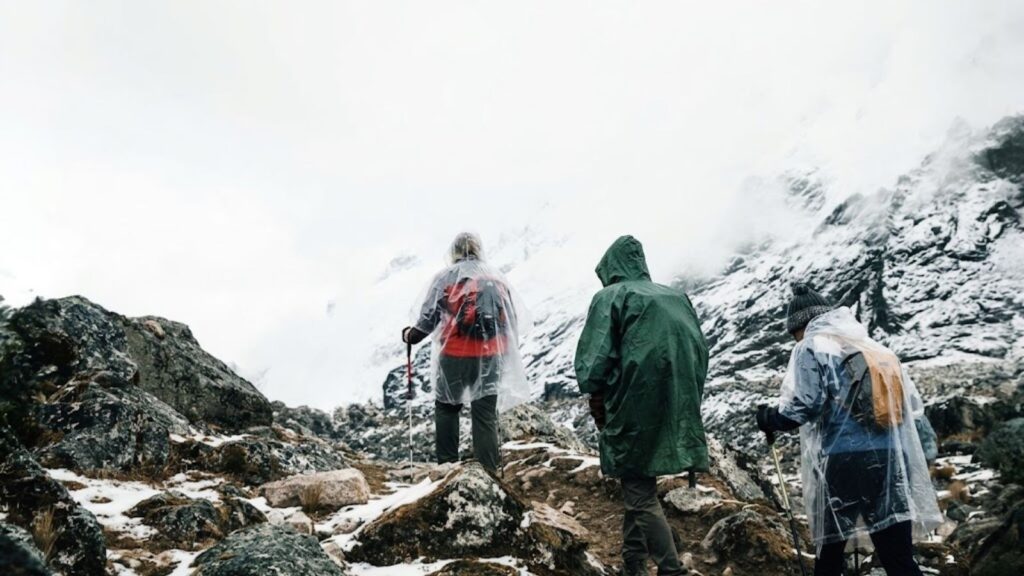
It can rain even during months considered dry, so waterproof protection should remain accessible. Humidity can affect clothing, electronic devices and body temperature.
The key is not only bringing waterproof garments, but also knowing how to protect every part of your luggage. A backpack covered on the outside but without inner bags can get wet from leaks or condensation.
- Poncho or waterproof jacket
- Waterproof pants
- Waterproof bags
- Electronic device case
Sun and altitude protection
Sun exposure can be intense at high elevations, even on cold, cloudy or windy days. High-altitude radiation quickly affects the face, lips, ears and neck.
Sun protection should be part of your everyday essentials. Applying it before leaving camp is not enough, because sweat and weather reduce its effectiveness.
Sunscreen
Bring sunscreen and reapply it during the day, especially on your face, ears, neck and hands. Choose a small container that you can keep in an easy-access pocket.
If you have sensitive skin, test the product before your trip. During long hikes, sunburn can cause pain and affect your rest over the following days.
Sunglasses
Wear sunglasses with ultraviolet protection to reduce exposure to glare and high-altitude radiation. They are useful even when the sky is partly cloudy.
Choose a model that fits well and does not slip with sweat. A hard or semi-rigid case helps protect them inside your backpack.
Hat or cap
Bring a hat or cap that protects your face and can be secured in windy conditions. Brimmed models provide greater coverage for the neck and ears.
A lightweight cap may be enough for some people, but it should be combined with sunscreen. Avoid models that are too heavy or difficult to store when the weather changes.
Lip balm
Include lip balm suitable for dry, cold and sunny conditions. Your lips can dry out quickly because of wind, altitude and sun exposure.
Keep it in an accessible pocket and apply it several times a day. If possible, choose one with sun protection for additional coverage.
Water and food for hiking
During each day, you need to stay consistently hydrated and have personal foods that you tolerate well. The amount of water you need depends on the length of the section, weather and your effort level.
Ask the operator how water is distributed along the route. Not all agencies use the same boiling, filtering, treatment or supply system.
Water bottles or hydration bladder
Bring reusable bottles or a hydration bladder with enough capacity for the daily section. A hydration bladder lets you drink without stopping, although it requires careful cleaning.
Ask where you can refill water and whether it will be available from the start of the day. Do not rely on finding safe water on the trail without confirming it first.
Water treatment system
Confirm whether the agency provides boiled, filtered or treated water. Bring a personal treatment method only when necessary or if you want an additional alternative.
Filters, tablets and other systems have different treatment times. Read their instructions before the trek and do not test them for the first time during a long hiking day.
Personal snacks
Bring lightweight foods you tolerate well, such as bars, dried fruit, cookies, candies or similar items. They are useful between meals, during short breaks or when you need extra energy.
Do not bring foods that melt, take up too much space or create waste that is difficult to carry. Keep wrappers until you find an authorized place to dispose of them.
Rehydration salts
Rehydration salts can be useful on hot days, during heavy sweating or mild digestive discomfort. Use them according to the product instructions and with safe water.
Consult a healthcare professional in advance about products suited to your personal needs. They do not replace regular hydration or medical care when persistent symptoms occur.
Personal hygiene during the trek
Services available during the hike may be limited, so it is best to choose compact, durable and easy-to-carry products. Bringing only what you need helps reduce the weight of your main bag.
Basic hygiene also helps prevent discomfort, especially before eating and after using restroom facilities. Keep products in a separate bag to prevent spills.
Toilet paper and waste bag
Bring enough toilet paper for personal use and a bag to store waste until you find an authorized disposal point. Do not leave paper or other waste on the trail, at camps or in bathrooms.
Protect the roll inside a waterproof bag. Humidity can quickly make it unusable if exposed to rain or condensation.
Quick-drying towel
A small quick-drying towel takes up little space and can dry between camps. It is useful for personal hygiene, light rain or condensation on gear.
Avoid large cotton towels, as they weigh more and take a long time to dry. Keep it separate from clean clothing after use.
Soap and hand sanitizer
Bring soap and hand sanitizer in small containers. They are useful before eating and after using restroom facilities, especially when there is no immediate access to soap and water.
Use moderate amounts to avoid spills and reduce waste. Keep containers tightly closed inside a durable bag.
Toothbrush and toothpaste
Include a toothbrush and toothpaste in small sizes to reduce luggage weight. These are basic items best kept with the rest of your hygiene products.
A toothbrush case helps keep it clean inside your bag. Bring only the amount of toothpaste needed for the hiking days.
Wipes and personal products
Bring only the necessary amount of wipes and personal products. Options without strong fragrances are usually more comfortable for sensitive skin and cause fewer issues in shared spaces.
Remember that wipes should not be disposed of in toilets or the natural environment. Keep them in a sealed bag until you reach an authorized disposal point.
First-aid kit and health items
You should bring your personal medications and confirm what first-aid equipment the agency provides. Group first-aid kits do not replace prescribed treatments or products specific to your needs.
Inform the operator about allergies, relevant conditions and medical restrictions before starting the route. It is also advisable to consult a healthcare professional before traveling to high-altitude areas.
Personal medications
Bring your personal medications in their original packaging and with the prescription or medical instructions when applicable. Keep them accessible and protected from humidity and extreme temperatures.
Calculate enough for the entire trip and add a small reserve if recommended by your doctor. Do not rely on finding specific medications along the route.
Blister supplies
Include bandages, tape and other basic items to protect friction areas before discomfort worsens. Blisters often appear because of new footwear, wet socks or long descents.
Check your feet at the end of each day and act at the first hot spots. Waiting until you feel intense pain can make the next day’s hike more difficult.
Insect repellent
Use insect repellent especially during the descent toward warmer and more humid areas. Insect presence usually increases as altitude decreases.
Keep it in a secure container and apply it according to the manufacturer’s instructions. Avoid spraying it directly onto technical clothing, glasses or electronic devices.
Personal medical information
Carry information about allergies, relevant conditions, medications you use and emergency contact details. You can keep it on your phone and also on a card inside your backpack.
This information enables the guide or medical staff to act more quickly if an emergency occurs. Keep the details updated and clearly written.
Travel insurance
Keep your insurance policy details and check before traveling that it covers trekking, medical care and evacuation at the maximum altitude of your itinerary. Some policies exclude activities above certain altitudes.
Keep the assistance number, policy and contact procedure in digital and physical formats. Also check whether there are requirements for reporting incidents during your trip.
Documents and money
Documents must remain accessible and protected throughout the route. Carry them in a waterproof case inside your daypack, not in the bag carried by the operator.
Organize your tour, train and Machu Picchu entry reservations in advance. Incorrect information on your identification document can cause issues during checks.
ID document or passport
Your ID document or passport must match the details used to book the tour, train and entry to Machu Picchu. Check names, document number and expiration date before leaving.
Carry the original when required and keep a secure digital copy. Avoid storing your document in outer pockets where it could get wet or lost.
Tickets and booking confirmations
Keep digital copies of tickets and booking confirmations on your phone. You can also save files in an email account or app accessible offline.
Ask the agency which physical documents will be required. Some arrangements are handled digitally, but it is best to confirm this to avoid setbacks.
Cash
Bring a moderate amount of cash in small bills for personal purchases, tips and services that do not accept cards. Split the money between two secure places to reduce the risk of loss.
Do not carry large amounts of money or rely on finding ATMs during the trek. Check beforehand which expenses are included and which you must cover yourself.
Emergency contacts
Save the details of the operator, insurance provider, accommodation and a trusted person. Include numbers with the country code if you will use an international line.
Write this information down on paper as well. Your phone battery may run out, and mobile signal is not consistently available throughout the route.
Electronic equipment
Electricity may be limited during some sections of the Salkantay Trek. Therefore, bring charged devices, protect them from humidity and avoid depending on a constant connection.
Cold weather can reduce battery life. Keeping your phone and spare batteries inside a dry bag and close to your body overnight can help preserve their charge.
Mobile phone
Download documents, maps and information you may need offline in advance. Phone signal can be irregular or unavailable in several parts of the itinerary.
Enable battery-saving mode when you do not need mobile data. Bring a waterproof case and avoid exposing your phone to rain, dust or impacts.
Power bank
Bring a charged power bank with enough capacity for days when there is no access to electricity. Check beforehand that the cable works and is compatible with your devices.
Keep the power bank inside a waterproof bag. In cold conditions, do not leave it exposed overnight or in outer backpack pockets.
Camera and extra batteries
If you are bringing a camera, consider an additional battery and memory cards with available space. Cold can reduce battery performance, so keep them in a dry, protected place.
Avoid changing lenses or opening compartments in rain or strong wind. A padded case helps protect the camera on sections with uneven terrain.
Power adapter
Check the plug type and voltage accepted by your devices before traveling. Peru commonly uses type A and C plugs, although availability may vary by accommodation.
A compact adapter is enough for most travelers. Do not bring bulky extensions or accessories you will not use during the trek.
Useful hiking accessories
Some accessories improve comfort and stability along the route. They are not essential for everyone, but they can reduce strain on knees, hands and feet on demanding sections.
Try these items before starting the trek. Adjusting poles, glasses or accessories for the first time on the trail can be uncomfortable.
Trekking poles
Adjustable trekking poles help on ascents, descents and wet trails. They distribute part of the effort and can improve stability on rocky or muddy terrain.
Use rubber tips when required by site regulations or on surfaces where poles can cause wear. If traveling by train, confirm the conditions for carrying folding poles.
Scarf or buff
A scarf or buff protects against wind, cold, dust and sun exposure. It is lightweight, takes up little space and can be worn around the neck, head or face.
Bring a quick-drying one and keep it accessible. In high areas, it can be useful during the first hours, while in lower areas it helps protect against dust and insects.
Reading glasses or contact lenses
If you wear reading glasses or contact lenses, bring a spare pair and the products needed to clean them. Losing or breaking your only pair can be difficult to resolve along the route.
Contact lenses can be uncomfortable in dust or wind. Consider bringing glasses as an alternative and keep the case in a clean, waterproof bag.
Earplugs
Earplugs can be useful for resting in shared camps. Sounds from other travelers, wind or the team’s early activity can interrupt sleep.
Choose a comfortable model and keep it in a small case. Test them before traveling if you have never used them to avoid discomfort at night.

What to pack by season
Your luggage should be adapted to expected conditions for your travel dates. Check weather alerts before starting and ask the operator whether there are route changes or specific recommendations.
The seasons do not completely eliminate the possibility of rain, cold or intense sun. Layering remains necessary throughout the year.
Packing for the dry season
During the dry season, prioritize thermal clothing, gloves, a hat, sunscreen and a sleeping bag suitable for cold nights. Mornings and high-elevation camps can experience low temperatures.
Keep waterproof protection accessible as well. Although days are generally more stable, isolated rain or sudden weather changes can occur.
Packing for the rainy season
During the rainy season, increase waterproof protection, bring more changes of clothing and use inner bags for all your gear. Mud and humidity can make it difficult to dry clothing and footwear.
Consider gaiters for mud and make sure your boots have good grip. It is also advisable to protect documents, cameras and batteries more carefully.
Packing for transition months
During transition months, prepare for sunny days and sudden rain. Do not remove thermal or waterproof layers from your luggage just because the initial forecast looks favorable.
A combination of lightweight layers lets you adapt without carrying excessively heavy garments. Check the weather in Cusco shortly before starting the hike, but allow for changes.
What the agency normally provides
Included services vary according to the operator, tour type and itinerary. Request a written list before packing to know what you need to bring, what you can rent and what will be available at camps.
If you need to coordinate entry tickets, trains, itineraries or transported luggage, you can consult directly with the Salkantay.tours team before confirming your departure.
Tents and camping equipment
Confirm whether tents, sleeping pads, tables, chairs, utensils and dining shelters are included. Also ask how many people will share each tent and whether any additional insulation system is provided.
Equipment quality and type may vary among operators. Knowing these details prevents you from bringing duplicate items or assuming that non-included equipment will be available.
Sleeping bag and trekking poles
Check whether the sleeping bag and trekking poles are included, available for rent or must be brought independently. Also ask about the sleeping bag’s features, especially its comfort temperature.
If you rent poles, check whether they are adjustable and include rubber tips. If bringing your own, confirm how to transport them on the train and in Machu Picchu.
Meals and water
Confirm which meals are included, how water is provided and whether the operator accommodates allergies or dietary restrictions. Communicate your needs in advance, not on the departure day.
Ask whether drinking water is provided boiled, filtered or treated, and when you can refill your bottle. This will help you decide whether you need an additional personal system.
Luggage transport
Ask what type of transport is used, how much weight each traveler can hand over and which items you must carry personally. Some routes use pack animals, while others combine vehicles and logistical support.
Confirm when you will have access to your main bag each day. Medications, documents, warm clothing, water and rain protection should always stay with you in your hiking backpack.
Items you should not bring
Reducing weight improves comfort and prevents problems on the train, at camps and when entering Machu Picchu. Before closing your suitcase, check whether every item has a real purpose on the route.
The most common mistake is bringing too many changes of clothes or urban items that end up unused. Prioritize versatile, lightweight garments suitable for trekking conditions.
Unnecessary clothing and footwear
Avoid heavy garments, too many changes of clothes and shoes you will not use during the trip. An efficient combination of layers covers different temperatures without filling your main bag.
Do not bring urban clothing for every day of the trip if you will stay at camps. You can leave those items at your accommodation in Cusco along with your large suitcase.
Valuables
Do not bring jewelry, large amounts of money or valuables that are not necessary. Besides increasing security concerns, they can be lost or damaged by humidity and impacts.
If you need to bring an expensive device, protect it and keep it with you. Consider whether you will really use it before adding it to your luggage.
Large containers
Transfer hygiene products into small containers and bring only what you need. Large containers take up space, add weight and have a greater risk of leaking.
Label containers if you bring several similar products. Store liquids and creams inside a sealed bag to protect the rest of your gear.
Large backpacks for entering Machu Picchu
The llaqta regulations prohibit backpacks, bags or purses larger than 40 × 35 × 20 cm. Plan in advance where you will leave your main luggage before entering the archaeological site.
Bring only a small backpack with documents, permitted water, sun protection and basic items. Entry rules may be updated, so it is advisable to verify them before your visit.
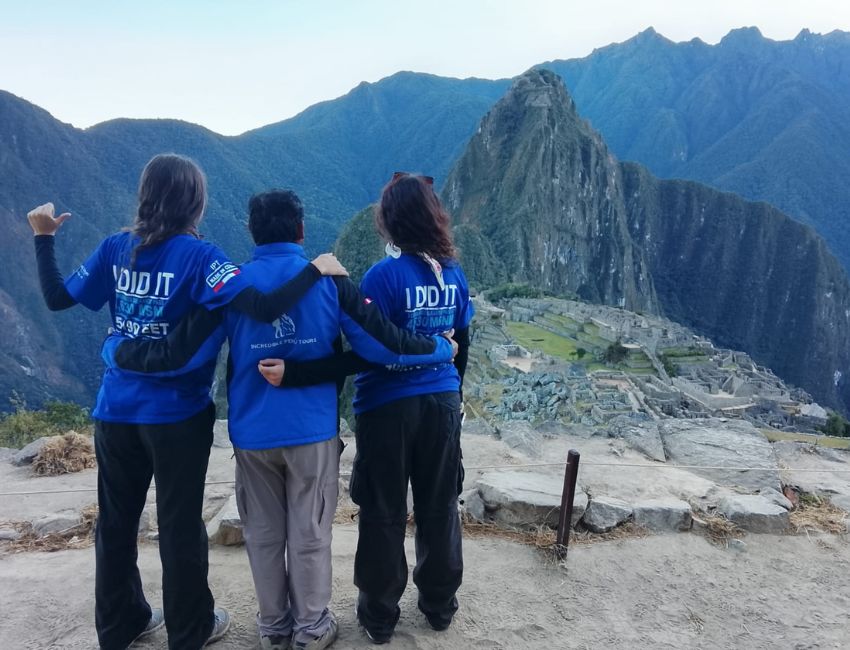
Packing checklist before departure
The final review should separate the items you will carry during the hike, those that will travel in the main bag and those that will remain in Cusco. This organization prevents unnecessary weight and reduces the risk of forgetting essential items.
Do this review the night before and check documents, medications, water and waterproof protection again before leaving. Critical items should not depend on the bag carried by the operator.
Items that must stay in your backpack
Your daypack should contain water, waterproof protection, warm clothing, sunscreen, documents, money, phone, camera, medications and snacks. These are items you may need at any time during the day.
Distribute the weight close to your back and keep the most urgent items in easy-access pockets. Check every morning that you have enough water and that the rain cover is available.
Items for the transported bag
Place spare clothing, hygiene items, camp footwear, a sleeping bag and other items you do not need while hiking in the transported bag. Use inner bags to keep each group of items dry and organized.
Do not store original documents, essential medication or a waterproof layer there. If the bag arrives later than expected, you must be able to continue safely with only your daypack.
Items that can stay in Cusco
Leave large suitcases, urban clothing, unnecessary devices and any items you will not use during the itinerary in Cusco. Arrange a secure place to store this luggage with your accommodation or agency.
Traveling lighter makes the later train transfer and entry to Machu Picchu easier. Before leaving your belongings behind, keep documents, money, valuables and everything needed for your return with you.