


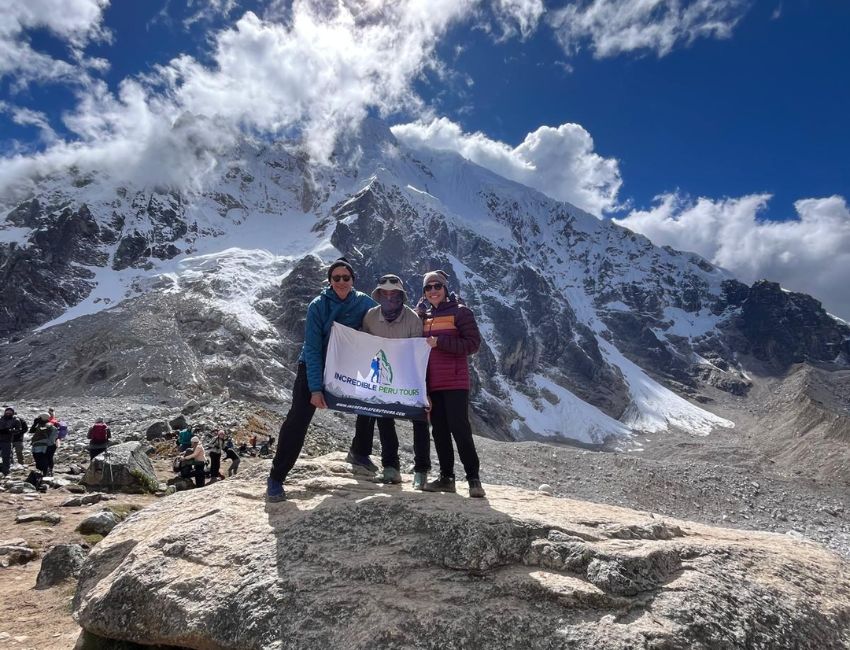
The Salkantay Trek is one of the most complete and scenic hiking routes to reach Machu Picchu. It stands out for its high-mountain landscapes, proximity to the Salkantay snow-capped peak, diverse ecosystems and gradual descent from the Andes to the mountain rainforest. It is a recommended alternative for travelers who want to combine adventure, nature and a final visit to Machu Picchu in one trip.
Choosing this route means spending several days walking through mountains, valleys and lush vegetation zones before reaching the citadel. It is not a direct transfer or a light excursion, but an experience designed for those who value the journey as much as the final destination.
Salkantay Trek: Why Choose This Route to Reach Machu Picchu
The Salkantay Trek allows you to reach Machu Picchu after crossing very different natural landscapes. Along the route, travelers pass through high-altitude areas, cross mountain passes and descend toward warmer environments, offering a broader perspective of the journey through Cusco.
For many people, the main reason to do the Salkantay Trek is that it combines a challenging mountain hike with a visit to one of Peru’s leading archaeological sites. The route has a clear focus on nature and the feeling of moving closer to Machu Picchu day by day.
An Alternative Route to the Inca Trail
The Salkantay Trek is one of the main alternatives to the Inca Trail for those who want to reach Machu Picchu on foot. It does not follow the same route or enter through the ancient access gate associated with the classic Inca Trail.
Its route is mainly focused on mountain environments and open natural spaces. This may be convenient for travelers who prioritize views of the snow-capped peak, valleys and changing vegetation over a journey centered on intermediate archaeological sites.
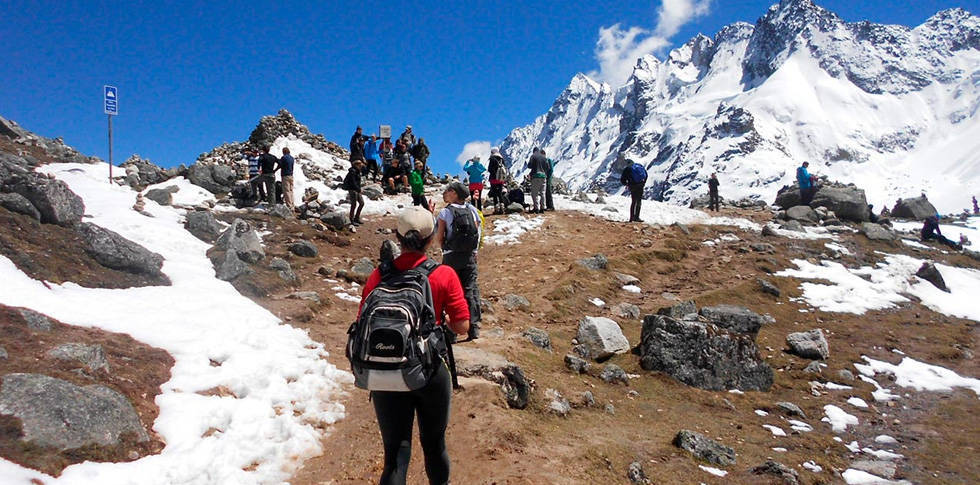
An Adventure Experience in the High Andes Mountains
The route combines long hikes, ascents to high-altitude areas, descents through valleys and constant elevation changes. These conditions give the trek a physical and adventurous component from its early stages.
The effort is spread over several days and requires a willingness to walk on varied terrain. More than a competition, it is an activity that calls for your own pace, good organization and attention to the guide’s instructions.
A Combination of Nature, Culture and Hiking
Depending on the itinerary booked, the route may bring travelers close to mountain scenery, rural areas, small villages and mountain rainforest sections. This combination makes it possible to see a broader part of the Cusco surroundings before reaching Machu Picchu.
Cultural experiences are not identical in every program. Some routes include more interaction with communities or villages than others, so it is worth reviewing the service details before booking.
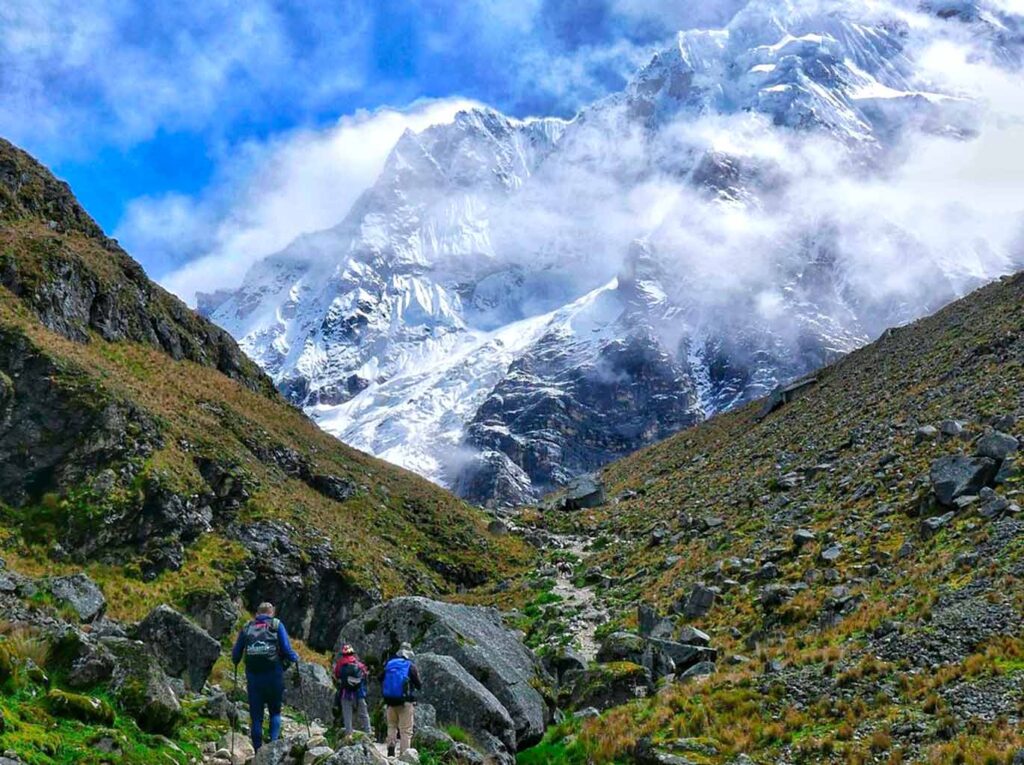
Landscapes You Will Find During the Salkantay Trek
One of the greatest attractions of the Salkantay Trek is the transition from high-mountain areas to green valleys and cloud forest. The landscape visibly changes as altitude decreases, both in terms of vegetation and temperature and humidity.
This variety gives the route its own identity compared with other routes to Machu Picchu. In just a few days, you can see open, cold environments, deep ravines, rivers and areas covered in abundant vegetation.
The Salkantay Snow-Capped Peak and the Mountains of the Vilcabamba Range
The Salkantay snow-capped peak dominates much of the high-mountain landscape and gives the route its name. Its presence is especially visible in areas near Soraypampa and the mountain pass, provided weather conditions allow it to be seen.
Other mountains, high passes and sections of the Vilcabamba range can also be seen along the route. These views are one of the main reasons why many travelers choose the Salkantay Trek over options involving more ground transportation.
Humantay Lake and High-Mountain Landscapes
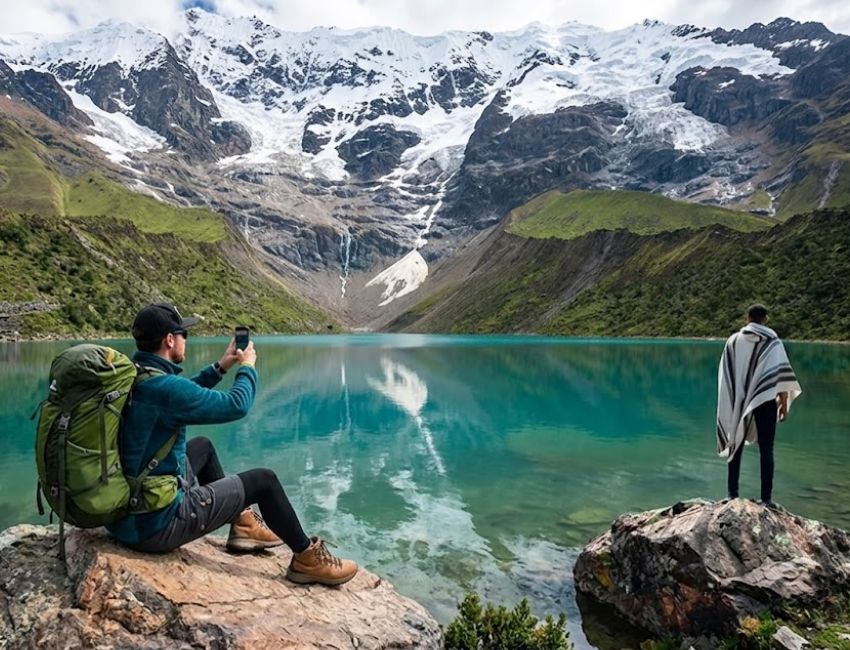
Many routes include a hike to Humantay Lake from Soraypampa. The site is surrounded by mountains and features a glacial lake at high altitude, so the visit usually requires additional effort.
Humantay Lake is not part of every program and is not always visited under the same conditions. Before booking, it is worth confirming whether it is included, how much time is allocated for the hike and whether there are any adjustments due to weather or logistics.
Andean Valleys, Ravines and Cloud Forest
After crossing the highest sections, the trail descends toward warmer valleys and ravines with more water and vegetation. The change is usually gradual, although on some days it can be clearly felt between the beginning and end of the hike.
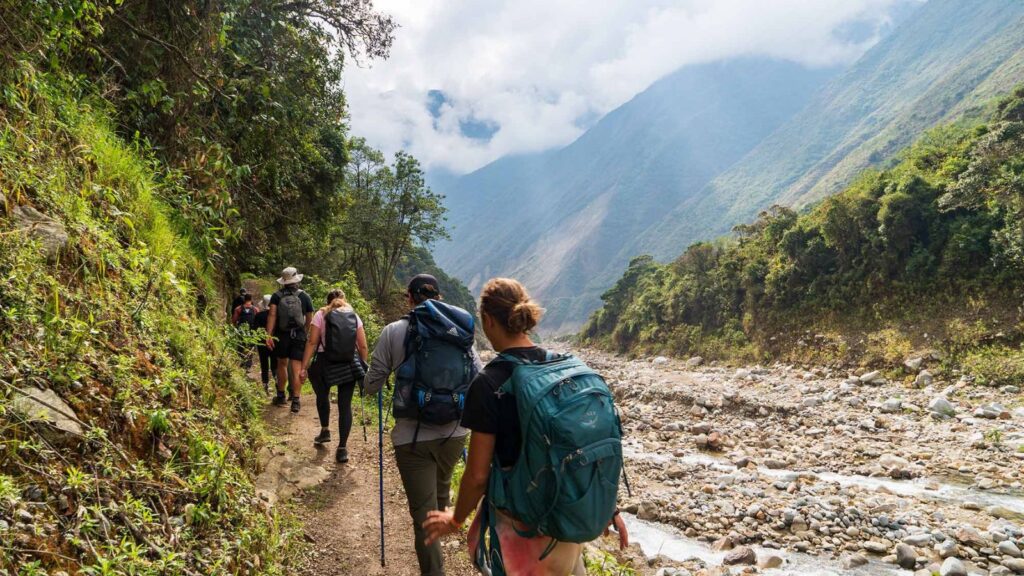
Further on, the transition toward the edge of the rainforest and cloud forest appears. There, the landscape becomes more humid, with dense vegetation, tree-lined trails and generally milder temperatures than in the high mountains.
Weather and Ecosystem Changes Along the Route
Altitude and geography create noticeable changes in temperature, vegetation and scenery during the Salkantay Trek. The same route can begin in a cold, open environment and end in a humid area with light rain or mist.
This diversity requires planning clothing and gear for different conditions. It also explains why the route attracts travelers who want to experience different ecosystems without leaving the Cusco region.
Main Advantages of Choosing the Salkantay Trek
The advantages of the Salkantay Trek are related to the kind of experience it offers before reaching Machu Picchu. It is not only about reaching the citadel, but also about crossing vast landscapes and spending several days surrounded by natural environments.
The route also offers different service options and durations. This allows each traveler to compare choices according to their available time, expected comfort level and physical preparation.
A Great Variety of Natural Landscapes
On a single trip, the route can include snow-capped mountains, lakes, high passes, valleys, rivers and mountain rainforest. This variety keeps each day visually distinct and brings clear changes at every stage.
For those who enjoy photographing landscapes or walking through different environments, this diversity is a real advantage. The experience does not depend on a single viewpoint, but on the natural evolution of the trail.
A Stronger Connection with Nature
Much of the route takes place in natural areas and locations far from cities. Along several sections, the sound of water, wind and mountain activity replaces the urban movement of Cusco.
This allows you to walk with greater attention to your surroundings and appreciate changing landscapes over several days. Even so, the level of isolation depends on the specific route, campsites and chosen season.
Less Dependence on Inca Trail Permits
The Salkantay Trek does not use the same limited entry permit system as the classic Inca Trail. For this reason, it is often an alternative to consider when Inca Trail permits are no longer available.
This does not mean everything can be booked at the last minute. Campsites, accommodations, trains, Machu Picchu entrance tickets and transportation services may also have limited availability, especially during high season.
Different Options for Duration, Accommodation and Service
There are programs with different durations and service options for this route. Some use traditional campsites, while others include domes, lodges or accommodations with a higher level of comfort.
There are also group departures and private tours. The actual features, included equipment, meals and rest locations depend on each operator, so it is worth comparing services beyond the package name.
A Complete Experience Before Visiting Machu Picchu
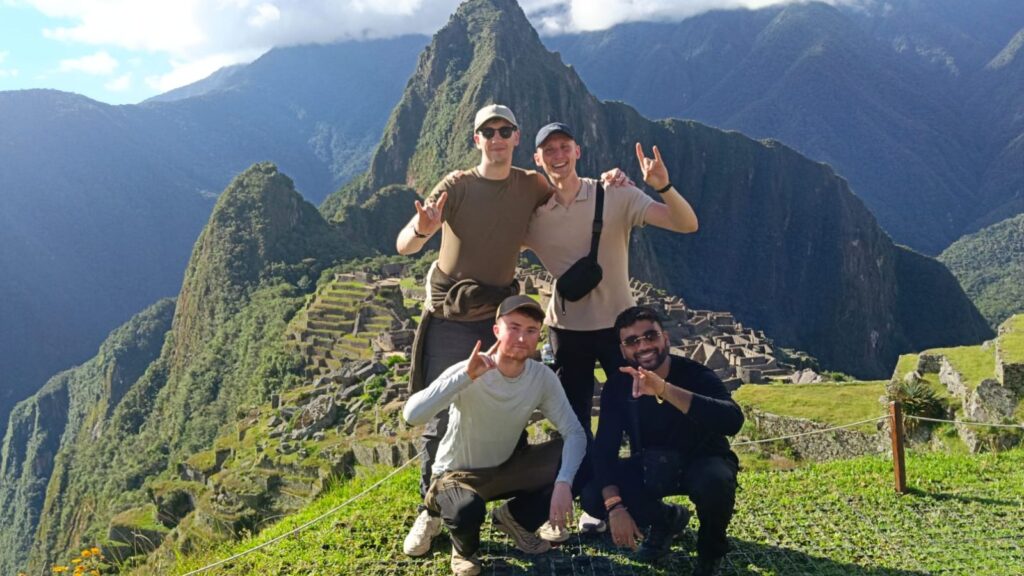
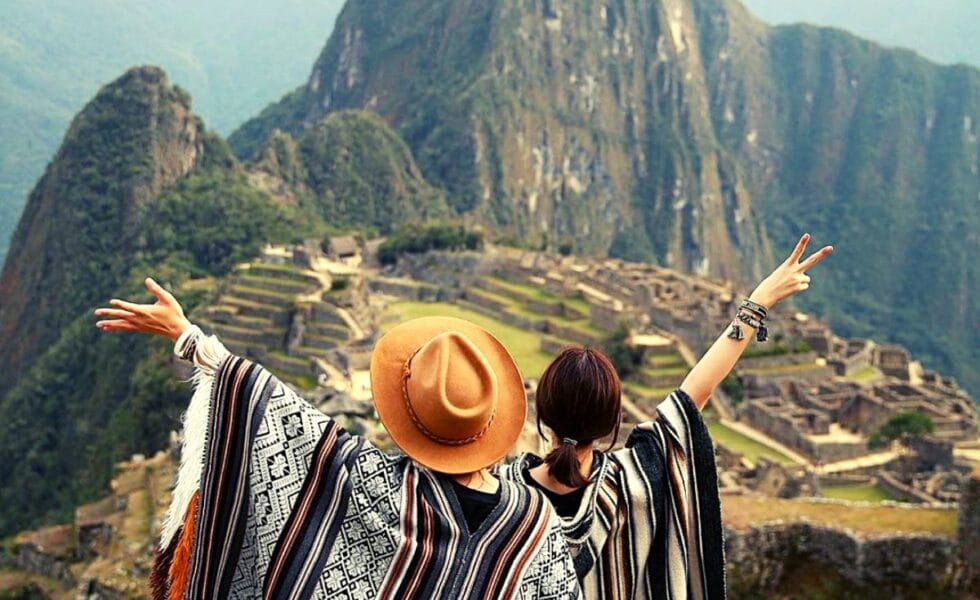
On this route, Machu Picchu represents the final stage of a journey that already includes several days of hiking and contact with nature. Visiting the citadel takes on a different context after exploring the mountains on foot.
This feature may appeal to those who do not want to limit their trip to a train transfer and a one-day visit. However, it requires more time and greater physical readiness than direct alternatives.
What Type of Traveler Is the Salkantay Trek Recommended For?
The Salkantay Trek can be a good choice for travelers who enjoy walking, tolerate weather changes and want to spend several days outside the city. The decision should take into account physical fitness, previous hiking experience and individual response to altitude.
It is not a suitable route for everyone. Those with limited mobility, little time or a preference for a less physically demanding trip may find more convenient options for visiting Machu Picchu.
Travelers Looking for Adventure and Personal Challenges
The route may appeal to people who want to complete a demanding multi-day activity. Hiking to Salkantay Pass and continuing toward lower areas presents a physical challenge experienced gradually.
The challenge should be approached responsibly, not as a test of speed or extreme endurance. Altitude can affect even active people, so it is advisable to move at a suitable pace and report any discomfort to the guide.
Trekking, Mountain and Nature Lovers
The Salkantay Trek is especially suitable for those who enjoy long hikes, mountain landscapes and outdoor activities. The value of the route lies in spending time walking, not only in reaching the final point.
It can also appeal to travelers interested in observing ecosystem changes within a single journey. The mountains, valleys and vegetation of the edge of the rainforest are a central part of the experience.
People with Good Physical Fitness and an Exploratory Spirit
Participants should be prepared to walk several hours a day, face elevation changes and adapt to changing conditions. You do not need to be an athlete, but you should have adequate preparation and realistic expectations about the effort required.
Having done previous hikes and cardiovascular activities helps you arrive with a stronger base. It is also useful to practice with the footwear you will use on the trip to reduce discomfort and avoid breaking in new gear during the route.
Travelers Who Want to Discover More of the Machu Picchu Surroundings
This route lets you discover landscapes and natural areas of the region before reaching Machu Picchu. It is an option for those who prefer the journey to be part of the trip instead of traveling directly by train.
The route offers a gradual approach to the final destination and provides a better understanding of Cusco’s geographical diversity. For many travelers, that difference justifies dedicating several additional days to the itinerary.
What Makes the Salkantay Trek Different from Other Routes to Machu Picchu?
The Salkantay Trek stands out mainly because of the prominence of the mountains, altitude and changing ecosystems. Each alternative for reaching Machu Picchu has a different focus: some prioritize archaeological sites, others local communities, adventure activities or faster transfers.
The best option depends on what each traveler expects from the journey. The Salkantay Trek is usually a better fit for those seeking a multi-day mountain hike and a lasting connection with the natural environment.
The Prominence of the Salkantay Snow-Capped Peak
The presence of the Salkantay snow-capped peak is one of the elements that most distinguishes this route. The mountain dominates the scenery during the higher stages and serves as a visual reference through an important part of the trek.
This closeness to a large snow-capped peak gives the route a different character from journeys more focused on ruins or historic trails. Visibility of the peak depends on the weather, so it should not be considered guaranteed.
The Diversity of Ecosystems in One Journey
The route crosses high-mountain environments, valleys and mountain rainforest areas. This transition is more noticeable than on shorter routes or itineraries completed mainly by transportation.
The changes are not only visible in the scenery. Temperature, humidity, vegetation and, in some cases, the type of accommodation available at each stage also change.
The Transition from Mountains to Tropical Forest
The trail gradually descends from cold, high-altitude areas toward warmer and more humid environments. As altitude decreases, vegetation becomes more abundant and trail conditions may change.
This transition toward tropical forest offers a different side of the Cusco region. It is one of the aspects most appreciated by those who prefer journeys with geographical variety.
The Combination of Mountain Trekking and a Visit to Machu Picchu
The experience combines a multi-day mountain trek with a final visit to Machu Picchu. This makes it possible to integrate adventure and historical heritage into one trip, without one replacing the other.
Arrival at Machu Picchu usually takes place after connecting with Aguas Calientes, although the means of transportation and final section may vary according to the program booked. Reviewing this point helps avoid confusion before booking.
Salkantay Trek Options and Duration
There are different versions of the Salkantay Trek, and the duration may vary depending on the itinerary, transportation used and included services. The best-known programs usually last four or five days, but the details of each stage are not necessarily the same.
Before choosing, it is worth reviewing where you will sleep each night, which sections are done on foot, which connections are included and how you will finally reach Machu Picchu. The same commercial name may correspond to different paces and services.
5-Day, 4-Night Salkantay Trek
The five-day, four-night version is one of the most common because it allows the route to be divided into more gradual stages. It normally includes areas such as Soraypampa, Salkantay Pass, the mountain rainforest, Hidroeléctrica or Aguas Calientes, and Machu Picchu.
The exact route may vary depending on the operator, trail conditions and type of accommodation. This option is usually convenient for those who want more time to adapt between days, although it does not eliminate the physical demands of the route.
4-Day, 3-Night Salkantay Trek
The four-day, three-night version usually condenses the route more and may use transfers to reduce some sections. It is an alternative for travelers with less time available in Cusco.
With fewer days, the pace is normally faster and the days may feel more demanding. It is not advisable to choose it only to save time without reviewing the planned hiking hours and elevation changes for each day.
Differences Between Camping, Domes and Accommodations
Some programs use tents, while others offer domes, lodges or basic accommodations. The difference is not only in nighttime comfort, but also in available services, location and handling of low temperatures.
It is worth confirming whether rooms are shared, whether bathrooms are private or shared, how luggage is organized and which items the company provides. The type of rest can significantly influence the overall perception of the trek.
Private Tours and Group Services
A shared group service usually follows schedules and paces set for all participants. It can be a practical option for those who want to share the route and prefer an already defined organization.
A private tour offers more flexibility to adjust breaks, hiking pace and some logistical details, although it usually costs more. In both cases, it is advisable to ask about group size, guide support and included services.
Aspects to Consider Before Choosing This Route
Before booking the Salkantay Trek, it is worth assessing the physical demands, acclimatization, weather and service conditions. Making this decision with realistic information helps you choose a version of the route suited to your personal needs.
It is also advisable to read the daily itinerary and not rely only on photos or total duration. Hiking hours, ascents and accommodation type can vary significantly between operators.
Difficulty Level and Physical Preparation
The route includes long hikes, ascents, descents and sections at high altitude. Salkantay Pass is located at around 4,600 m above sea level, so the effort may feel more intense than on hikes at lower elevations.
Prior preparation with hiking, cardiovascular activities and endurance exercises can help you arrive in better condition. However, no preparation completely eliminates the effects of altitude or the difficulties associated with the weather.
Acclimatization to Altitude Before Starting
It is advisable to spend a few days in Cusco or another high-altitude destination before starting the trek. This time can help the body adapt gradually, especially if the trip begins shortly after arriving from a city at sea level.
Each person responds differently to altitude. Resting, staying hydrated and avoiding intense activities during the first days can be useful, but persistent or severe symptoms require medical advice.
Duration, Distance and Daily Hiking Pace
The difficulty of the route does not depend only on the total distance. Hiking hours, elevation changes, trail conditions, altitude and the pace planned for each stage also matter.
Before booking, review the daily itinerary and ask about the longest hikes. This detail allows you to compare a four-day route more clearly with a five-day route or another similar program.
Weather and Recommended Seasons
Mountain conditions can change quickly. Cusco usually has a drier period and another with more rainfall, but the weather cannot be guaranteed at any time of year.
During the rainier months, trails may be wet and views may be affected by mist. Before traveling, it is worth checking expected conditions and confirming whether the operator makes changes for safety or trail conditions.
Luggage and Gear Needed for the Trek
The Salkantay Trek requires suitable clothing for different temperatures, already broken-in hiking footwear, sun protection and waterproof garments. A comfortable backpack also helps manage long days more easily.
The exact gear depends on the service booked, as some companies include a sleeping bag, trekking poles or transportation for part of the luggage. Reviewing this in advance prevents bringing unnecessary items or assuming something is included when it is not.

Is the Salkantay Trek Worth It?
The Salkantay Trek can be worthwhile for travelers who enjoy hiking, are prepared for altitude and want several days of walking before visiting Machu Picchu. Its greatest value lies in the combination of mountains, changing landscapes and final arrival at the citadel.
It is not necessarily the best option for people with limited time, reduced mobility or a preference for a less physically demanding trip. In those cases, a train visit or another shorter route may better suit the type of trip desired.
Reasons to Choose This Adventure
The main reasons to do this route are its mountain scenery, variety of ecosystems, sense of adventure and contact with nature over several days. The Salkantay snow-capped peak and the descent toward the edge of the rainforest define what makes the route different.
It also allows Machu Picchu to be the conclusion of a complete journey rather than the trip’s only goal. For travelers who enjoy hiking, this way of arriving can be more satisfying than a direct transfer.
Advantages and Possible Challenges of the Route
Its advantages include natural diversity, mountain views and the chance to explore areas far from the city. The route offers an active experience with visible landscape changes in just a few days.
Its challenges include altitude, long hikes, changing weather and the simple accommodations of some programs. Considering these factors from the start helps avoid unrealistic expectations.
Final Recommendations Before Booking
Compare itineraries, review included services, confirm entrance tickets and transportation, and ask about the available type of accommodation. Also check what happens if weather conditions require changes to part of the route.
The decision should consider your health condition, physical preparation, season and available time. If you need to coordinate entrance tickets, trains, availability and itinerary, the Salkantay.tours team can advise you on logistics before confirming a booking.
Frequently Asked Questions About Why to Choose the Salkantay Trek
These questions help identify whether the Salkantay Trek matches the type of trip you are looking for. The choice depends on your interest in hiking, physical preparation and preference for a mountain route or a more direct visit to Machu Picchu.
Why Choose the Salkantay Trek Instead of the Inca Trail?
The Salkantay Trek can be a good alternative for those who prioritize natural landscapes, high mountains and diverse ecosystems. The Inca Trail and the Salkantay Trek offer different experiences, so the best choice depends on the traveler’s interests, time and availability.
Is the Salkantay Trek Suitable for Beginners?
A person without advanced mountain experience can complete it if they have good physical fitness, acclimatization and prior preparation. It is necessary to review the itinerary’s difficulty, respect your personal pace and follow the guide’s recommendations throughout the route.
What Is the Main Attraction of the Salkantay Trek?
One of its main attractions is the combination of the Salkantay snow-capped peak, high-mountain landscapes, valleys and mountain rainforest before reaching Machu Picchu. This geographical transition offers a more varied journey than a direct visit by transportation.
Is It Better to Do the Salkantay Trek in Four or Five Days?
The five-day option usually offers a more gradual pace, while the four-day version condenses the stages. The choice depends on available time, physical fitness and the specific itinerary offered by the operator.
Is Previous Trekking Experience Required?
Technical experience is not always required, but it is advisable to have completed long hikes before the trip. Physical preparation, acclimatization and proper equipment are more relevant factors for taking on the route responsibly.
Does the Salkantay Trek End at Machu Picchu?
Most programs end with a visit to Machu Picchu after reaching Aguas Calientes. The way of connecting to Aguas Calientes may vary according to the itinerary booked, whether via Hidroeléctrica, train or another logistical combination.