


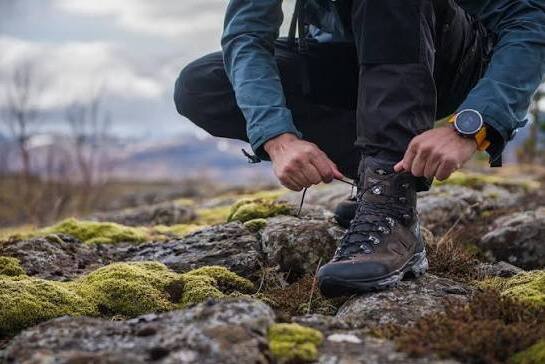
During the Salkantay Trek, your feet will be one of the hardest-working parts of your body. You will spend several days walking on climbs, descents, and changing terrain, so a small discomfort in your heel or toes can quickly become unpleasant if you do not pay attention to it.
Foot blisters mainly appear due to repeated friction between the skin, socks, and footwear. Moisture can also increase rubbing, especially after several hours of walking.
The good news is that many blisters can be prevented by taking a few simple precautions before and during the trek.
In this guide, you will find tips to prevent blisters during the Salkantay Trek, choose the right socks and boots, recognize the first signs of rubbing, and care for your feet during several days of hiking.
Why do blisters appear during a trek?
Friction blisters occur when an area of skin repeatedly rubs against another surface, such as a sock or the inside of footwear. This repeated movement can cause the outer layers of the skin to separate and form a small pocket of fluid.
During a multi-day hike, different factors can contribute:
- Footwear that is too tight.
- Footwear that is too large.
- Wet socks.
- Built-up sweat.
- Seams that rub against the skin.
- Dirt or small stones inside the boot.
- Many hours of walking.
- Long descents.
- Breaking in new boots during the trip.
That is why preventing blisters starts even before arriving in Cusco.
Do not break in new boots during the Salkantay Trek
One of the most important tips is to avoid starting a multi-day hike wearing a completely new pair of boots.
Even if you have bought excellent trekking footwear, you need to check beforehand how it fits your feet.
Cleveland Clinic recommends wearing new footwear before using it for long periods, while the NHS also advises initially wearing new shoes for short periods until they become comfortable.
Before your trip, you can take several walks in the boots you will bring to Salkantay.
You do not need to wait until you are in Peru.
Wear them for:
- Walks around your city.
- Nearby trails.
- Uphill and downhill walks.
- Progressively longer hikes.
- A few outings carrying your daypack.
The goal is to find out in advance whether there is any area where the footwear constantly rubs.
Your boots should be the right size
A boot that is too tight can create pressure and friction.
But a boot that is too large is not a good solution either, because it allows your foot to move constantly inside the footwear.
The American Academy of Dermatology recommends wearing shoes that fit properly, avoiding both overly tight and overly loose footwear.
When trying on your trekking footwear, pay particular attention to:
Heel: it should not lift excessively with every step.
Toes: they should have enough room, especially for descents.
Sides: there should not be constant pressure points.
Instep: the boot should feel secure, but not painfully tight.
Remember that during long hikes, your feet may feel different from how they feel when trying on boots for a few minutes in a store.
What socks should you wear to prevent blisters?
Socks are just as important as footwear.
For prolonged physical activity, the American Academy of Dermatology recommends socks made of materials that help manage moisture, noting that cotton can retain sweat and moisture, increasing friction.
For the Salkantay Trek, it is best to wear socks designed for hiking or trekking.
Look for features such as:
- Material that manages moisture well.
- A good fit around the foot.
- Low-profile seams.
- Reinforcement in the heels and toes.
- A thickness suitable for your boots.
There is no single perfect model for every traveler.
The important thing is to test the boot + sock combination before traveling.
Is it better to wear one or two pairs of socks?
Some hikers prefer one technical sock, while others use a combination of a thin inner layer and an outer layer.
The American Academy of Dermatology notes that, for some people, wearing two pairs can provide extra protection against friction.
However, this only works if you still have enough room inside your footwear.
If adding a second sock makes the boot too tight, it may create more pressure instead of helping you.
Try both options during your pre-trip training and find out what works best for your feet.
Bring spare socks
This is one of the simplest and most useful tips.
If your socks are very wet after several hours of walking, changing into a dry pair can be much more comfortable.
Cleveland Clinic recommends bringing extra socks when doing activities in which your feet may sweat, precisely so you can change them when necessary.
Keep at least one spare pair inside a bag protected from rain.
This way, you will have dry socks available even if the weather changes during the day.
Keep your feet as dry as possible
Moisture and friction are not a good combination during a long hike.
Sweat, rain, or walking in wet socks for too long can increase discomfort.
Whenever you have the opportunity:
- Change wet socks.
- Air out your feet during longer breaks.
- Remove dirt or small stones from your boots.
- Let your footwear dry when you arrive at camp.
- Keep dry socks protected from rain.
You do not need to stop constantly.
Simply pay attention to how your feet feel as you move forward.
Use breaks to check your feet
During a long hike, it is easy to ignore a small discomfort because you can still keep moving.
That is a common mistake.
If you have a long break to rest or have lunch, it can be a good time to check:
- Heels.
- Toes.
- Sides of the feet.
- Soles of the feet.
If you notice an area that is especially red, sensitive, or irritated, pay attention to it before continuing.
Do not ignore a “hot spot”
Before a blister appears, hikers often begin to feel a specific area of rubbing, heat, or discomfort.
That is the time to act.
The American Academy of Dermatology advises stopping the activity when pain, discomfort, or redness begins, rather than continuing until a blister appears.
If you feel an area starting to rub during Salkantay:
- Stop in a safe place.
- Take off your boot.
- Check for moisture, wrinkles, or dirt.
- Dry the area if necessary.
- Adjust your sock.
- Protect the friction point before continuing to walk.
Spending a few minutes addressing discomfort can prevent you from walking for several hours in pain.
Bring protection for friction-prone areas
If you already know that you usually experience discomfort in certain areas —for example, on your heel— you can protect those areas before starting a long day.
The American Academy of Dermatology recommends using soft pads or products designed to reduce friction in blister-prone areas.
In your small personal first-aid kit, you may consider bringing:
- Blister dressings.
- Moleskin or similar padded protection.
- Skin-friendly tape.
- Gauze or bandages.
- Some basic products recommended by your healthcare professional.
You do not need to carry a huge first-aid kit exclusively for your feet.
A small selection of basic products may be enough.
Lace your boots correctly
The way you lace your boots also affects how your foot moves inside the footwear.
A boot that is too loose can allow the heel to move up and down repeatedly.
A boot that is too tight can create pressure points.
Before starting the day, make sure your footwear feels secure and comfortable.
During descents, pay special attention to preventing your foot from constantly sliding toward the front.
If you notice excessive movement, stop and readjust the laces.
Pay special attention during descents
Descents can cause different problems from climbs.
When going downhill, the foot tends to slide forward inside the boot.
This can increase friction around the toes and other areas of the foot.
To reduce discomfort:
- Wear properly sized footwear.
- Lace your boots well before starting.
- Walk downhill with controlled steps.
- Avoid unnecessary running.
- Use trekking poles if they are part of your gear.
- Stop if you notice your toes constantly hitting the front.
Comfort during a descent does not depend only on your boots. Technique and pace also matter.
Check the inside of your boots
A small stone inside your footwear may seem insignificant during the first few minutes.
After several hours, it can cause a constant friction point.
If you notice something bothering you inside your boot, do not wait until the next long break.
Stop at a safe spot and check the inside.
Also check that your sock has no folds and that the insole is correctly positioned.
Trim your nails before the trek
Keeping your toenails well cared for can help prevent discomfort inside your footwear, especially during descents.
Do it before starting the trek, without cutting too close to the skin.
It is also best to take care of this before the trip instead of experimenting with new treatments just before starting several days of hiking.
What to bring in a small foot care kit
You can prepare a small bag exclusively for common issues during the hike.
For example:
- Spare dry socks.
- Blister dressings.
- Bandages or padded protection.
- Skin-friendly tape.
- Clean gauze.
- Personal products you normally use for your feet.
Keep everything in a waterproof bag or inside a zippered bag.
This way, you will have it available even after a rainy day.
What should you do if a blister has already appeared?
If a blister appears, try to protect it from further friction.
General dermatology recommendations indicate that small blisters usually heal on their own and advise not to routinely pop or burst them, because the skin covering them helps protect the tissue underneath.
You can cover it with a clean bandage and use padded protection around the area to reduce pressure.
During a multi-day trek, also let your guide know if a blister starts to significantly affect your ability to walk.
Should I pop a blister during the trek?
As a general rule, you should not pop a blister yourself simply because it has appeared.
Health recommendations advise keeping the skin covering the blister intact whenever possible.
If a blister is very large, very painful, shows signs of infection, or you have a medical condition that could complicate its care, it is best to seek advice from a healthcare professional.
Signs that you should seek help
Most small friction blisters can be managed with basic care, but some situations require more attention.
Seek medical help if you notice:
- Increasing redness.
- Significant swelling.
- Worsening pain.
- Pus or other concerning discharge.
- Other signs consistent with infection.
The American Academy of Dermatology advises consulting a professional if signs such as increasing redness, pus, pain, or swelling appear.
If you are doing the Salkantay Trek, report any significant issue to your guide.
What if I have diabetes or another foot condition?
If you have diabetes, circulation problems, loss of feeling in your feet, or another medical condition that may affect healing, preparation should be more careful.
Consult a healthcare professional before taking on a demanding hike, and do not treat a significant foot injury as if it were an ordinary blister.
How to care for your feet when you reach camp
Care does not end when the day’s hike is over.
When you arrive at camp:
- Take off your boots.
- Change wet socks.
- Let your feet air out.
- Check for sensitive areas.
- Examine any areas that have been rubbing.
- Set aside a pair of dry socks for the next day.
After many hours in your boots, a few minutes of care can help you start the next day much more comfortably.
What should you do if your boots are wet?
If you have walked in the rain, try to dry your footwear overnight as much as conditions allow.
Do not rely on your boots being completely dry every morning.
For this reason, protecting dry socks inside your luggage is especially important.
It is also advisable to use appropriate waterproof protection according to seasonal conditions.
Blister prevention before traveling to Peru
The best strategy starts several weeks before your Salkantay Trek.
You can follow this simple preparation plan:
Several weeks before
Start wearing the boots you will take on your trip.
During your training
Try different socks and find out which combination is most comfortable.
On long hikes
Identify the areas where friction usually occurs.
Before traveling
Prepare extra socks and your small foot care kit.
The day before the trek
Check that your boots, insoles, socks, and other gear are in good condition.
When you start the route, you should already know your footwear well.
Common mistakes that can cause blisters
Breaking in new boots during Salkantay
New boots may feel perfect for ten minutes and start rubbing after several hours.
Ignoring discomfort
If you notice friction, stopping for a few minutes is usually better than continuing for hours.
Wearing wet socks all day
If you have a dry pair available and your feet are very wet, take the opportunity to change them.
Wearing boots that are too large
Your foot can keep sliding inside the footwear.
Overtightening your footwear
This can also create pressure and discomfort.
Not testing your gear before the trip
The Salkantay Trek should not be the first place where you find out whether your boots and socks work well together.
Can blisters make you quit the Salkantay Trek?
A small blister does not automatically mean you have to stop the hike.
However, ignoring an injury that gets worse can make walking increasingly difficult.
That is why prevention is so important.
If you experience significant pain or have difficulty walking normally, speak with your guide to assess the situation and decide on the most appropriate option.
You never need to prove anything by walking through intense pain.
Quick tips to prevent blisters on the Salkantay Trek
Before starting your adventure, remember:
- Wear boots you have already tested.
- Make sure they are the right size.
- Wear suitable technical socks.
- Bring spare dry socks.
- Keep your feet as dry as possible.
- Check your feet during breaks.
- Address any friction point immediately.
- Adjust your laces according to the terrain.
- Bring a few dressings and protection for sensitive areas.
- Report any significant issue to your guide.
These are simple measures, but they can make a big difference after several days of hiking.
Frequently asked questions about blisters on the Salkantay Trek
Why do blisters appear while trekking?
Mainly because of repeated friction between the skin, socks, and footwear. Moisture and footwear that does not fit properly can make the problem worse.
Can I break in new boots on the Salkantay Trek?
It is not recommended. Wear your footwear on several hikes beforehand to make sure it is comfortable and identify possible friction points.
What socks are best for preventing blisters?
Socks designed for sports or trekking that manage moisture well are usually a good option. The American Academy of Dermatology recommends socks made of materials that help wick moisture away from the skin.
Should I bring spare socks?
Yes. Carrying at least one dry pair in your backpack allows you to change if your socks become too wet during the day.
What should I do if I start to feel rubbing?
Stop in a safe place, check your foot and the inside of your boot, dry the area if necessary, and protect the friction point before continuing. Addressing discomfort early can prevent it from getting worse.
Should I pop a blister?
Generally, no. Dermatology recommendations advise keeping the blister skin intact whenever possible and protecting it from friction.
When should I seek help?
If you notice increasing pain, swelling, redness, or signs of infection, consult a healthcare professional. During the trek, also inform your guide.
Do two pairs of socks prevent blisters?
For some people, using two layers helps reduce friction, but they should test that combination beforehand and make sure the boot does not become too tight.