


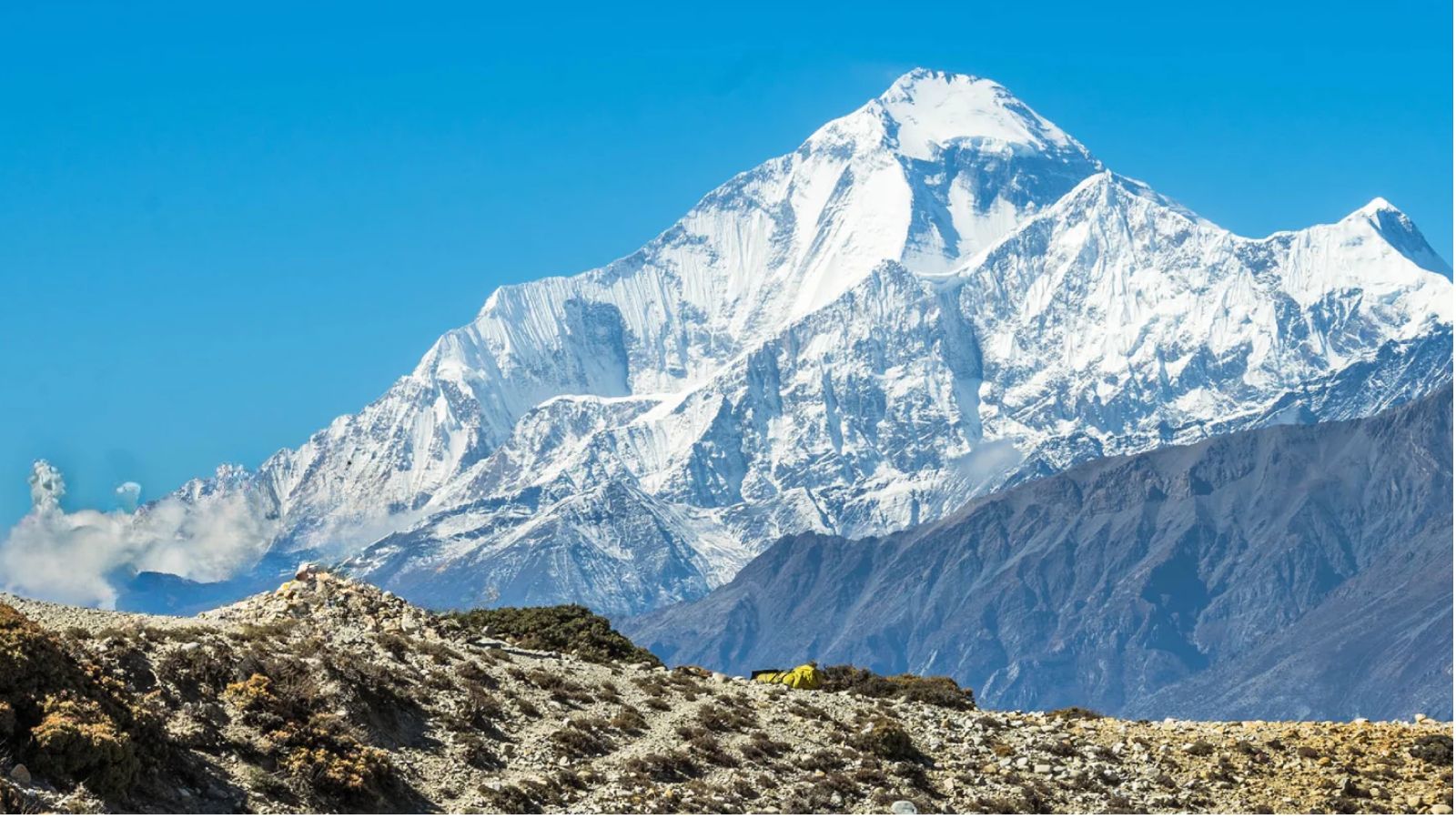
The temperature on the Salkantay Trek is not the same throughout the entire route. The trail crosses high-mountain areas, passes above 4,000 m a. s. l., and warm sections of cloud forest. On the same day, you may hike under intense sun, feel cold wind, encounter rain, and finish in a more humid and warmer environment.
The recommended season usually runs from April to October, when rainfall is less frequent. November to March is the rainy season, with more cloud cover, humidity, and precipitation. Even so, the weather can change quickly in any month, so it is best to prepare for cold, wind, and rain throughout the trek.
What Is the Temperature Like on the Salkantay Trek?
Temperatures on the Salkantay Trek mainly depend on altitude, time of day, month, and weather conditions. There is no single figure that represents the entire hike, as the route can start at a cold campsite and end in a humid, vegetated area at a lower elevation.
Sun exposure, cloud cover, wind, and rain also play a role. A clear day may feel mild while you are walking, but the perceived temperature can drop within minutes if clouds roll in or the trail becomes exposed to the wind.
Daytime Temperature
During the day, hikes can be done in mild temperatures when there is sunshine, especially while climbing and keeping your body in motion. In high-altitude areas, solar radiation can be intense even when the air feels cold.
Conditions change quickly with cloud cover, wind, or rain. That is why it is not advisable to hike wearing only one thick garment: using layers that you can remove or put on without stopping for too long is usually more practical.
Nighttime Temperature
After sunset, the temperature drops considerably, especially in Soraypampa and other high-altitude campsites. The cold is often felt more strongly while having dinner, preparing gear, or getting out of the sleeping bag before dawn.
Nights require thermal clothing, a hat, warm socks, and a sleeping bag suitable for low temperatures. Keeping one dry garment reserved for sleeping helps prevent moisture built up during the hike from chilling your body.
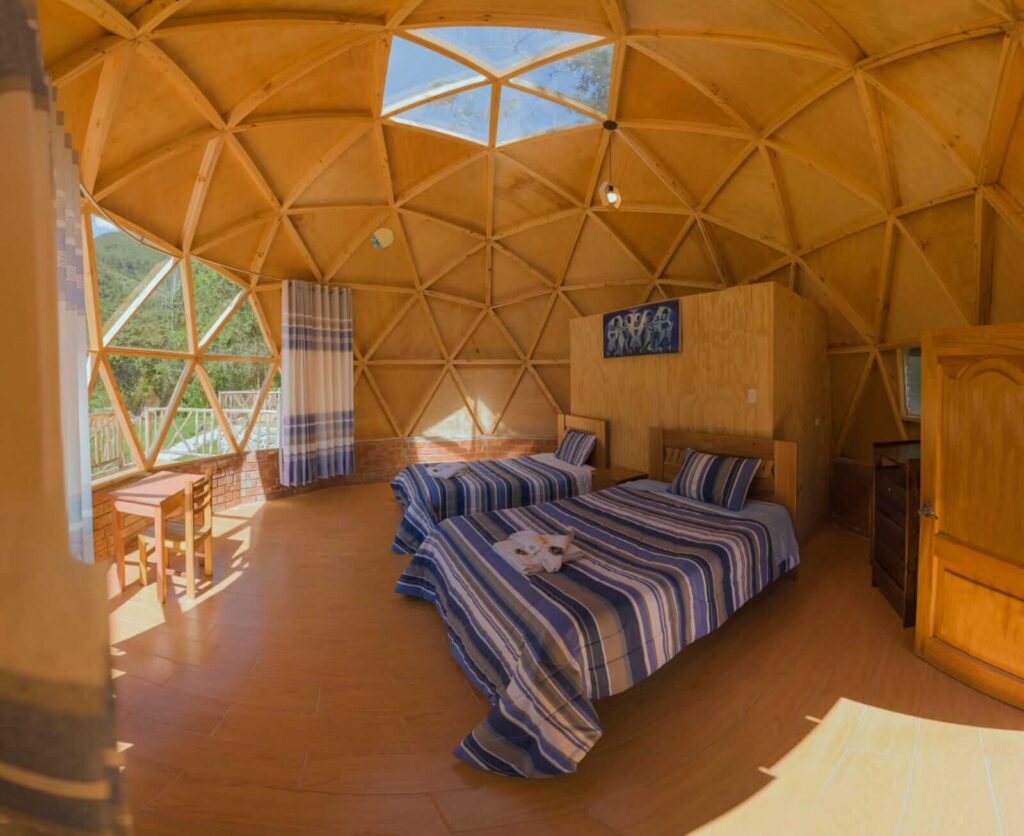
Temperature Difference Between Day and Night
The daily temperature range can be considerable in the mountains. You may have a sunny morning, a cool afternoon, and pre-dawn temperatures close to or below zero during the coldest periods.
This contrast requires thoughtful packing. A common mistake is bringing only clothing for the warmth of hiking and forgetting that breaks, campsites, and the early morning hours are much colder.
Temperature by Altitude Along the Route
The change in altitude is the main reason why weather varies so much during the Salkantay Trek. The route moves from open, cold mountain landscapes to valleys with denser vegetation, where temperature and humidity increase.
For this reason, checking only the Cusco forecast is not enough to know the conditions for the entire hike. Each section has its own weather pattern and can show clear differences within just a few hours of travel.
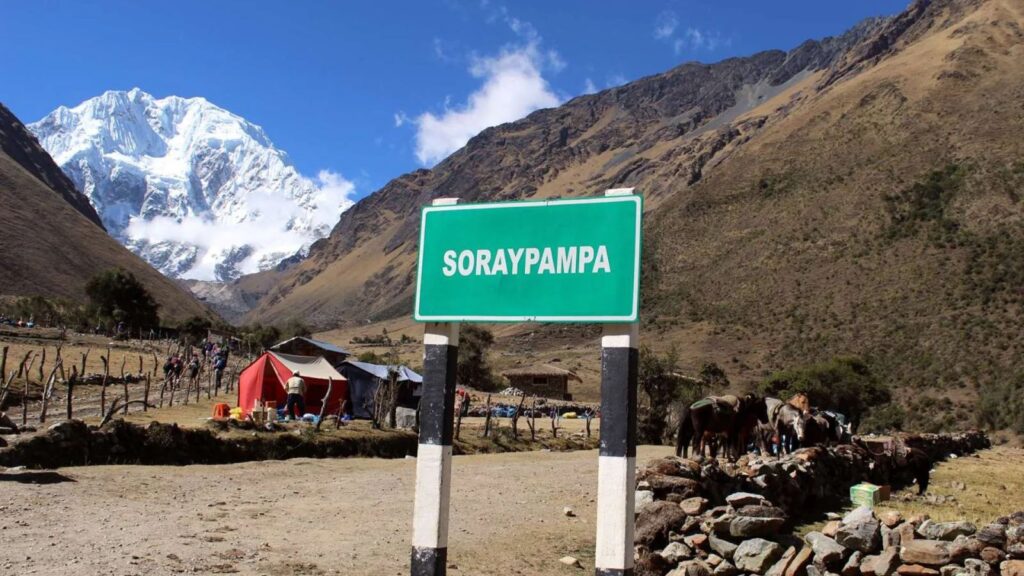
Temperature in Soraypampa
Soraypampa is located in a cold-climate area near Humantay Lake and surrounded by high mountains. It is one of the places where travelers most clearly notice the temperature dropping at the end of the day.
From May to November, cold conditions with more sunshine are common. From December to April, rainfall, cloud cover, and humidity increase, although nights remain cold due to the altitude.
Temperature at Salkantay Pass(Abras Malaga)
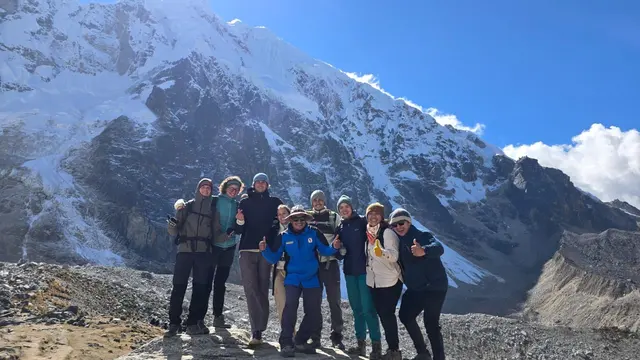
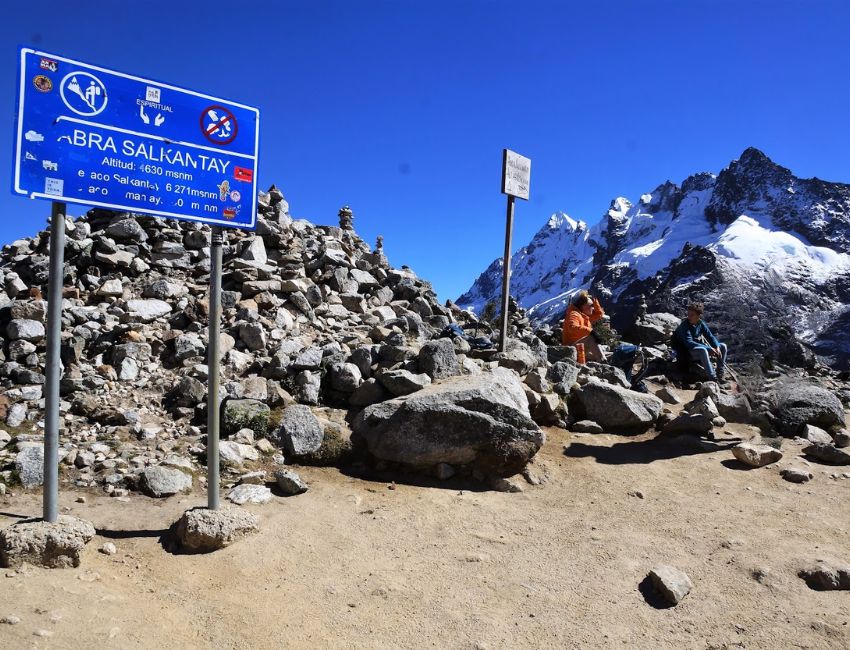
Salkantay Pass, located at approximately 4,600 m a. s. l., is one of the coldest and most exposed sections of the route. Wind can greatly intensify the perceived temperature, even if the thermometer does not seem to show an extreme reading.
Fog, rain, hail, sleet, or snow may occur in this area. Keeping an accessible waterproof layer and dry gloves is more useful than storing all your gear at the bottom of your backpack.
Temperature During the Descent
The temperature gradually rises as you descend from the pass toward the valleys. The change can feel quick, especially once you leave the open terrain behind and reach ravines, vegetation, and greater protection from the wind.
Although the environment becomes less cold, rain does not always stop. Keep waterproof clothing available and replace very warm layers with breathable garments to avoid excessive sweating.
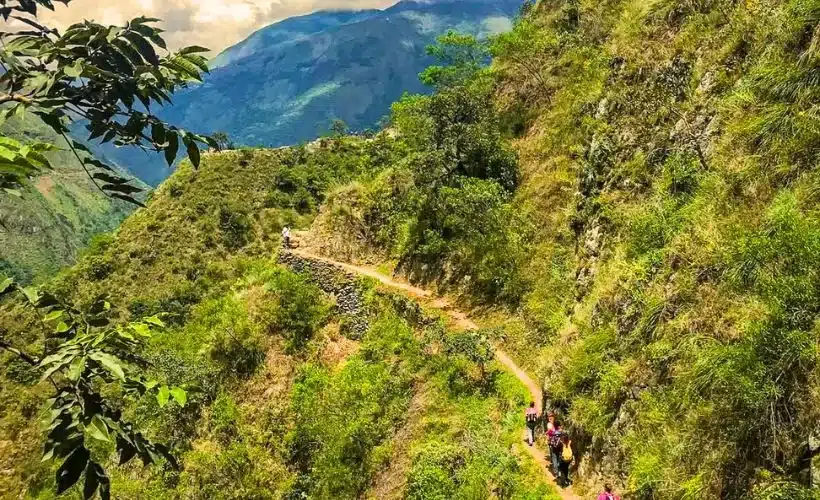
Temperature in Chaullay and the Cloud Forest
Lower-altitude sections, such as Chaullay and cloud forest areas, are warmer and more humid than the zones near the pass. During the descent, many travelers go from wearing gloves and a thermal jacket to hiking in lightweight clothing.
Rain and cloud cover may continue at different times of the year. Humidity makes clothing take longer to dry, so it is advisable to protect spare clothes inside waterproof inner bags.
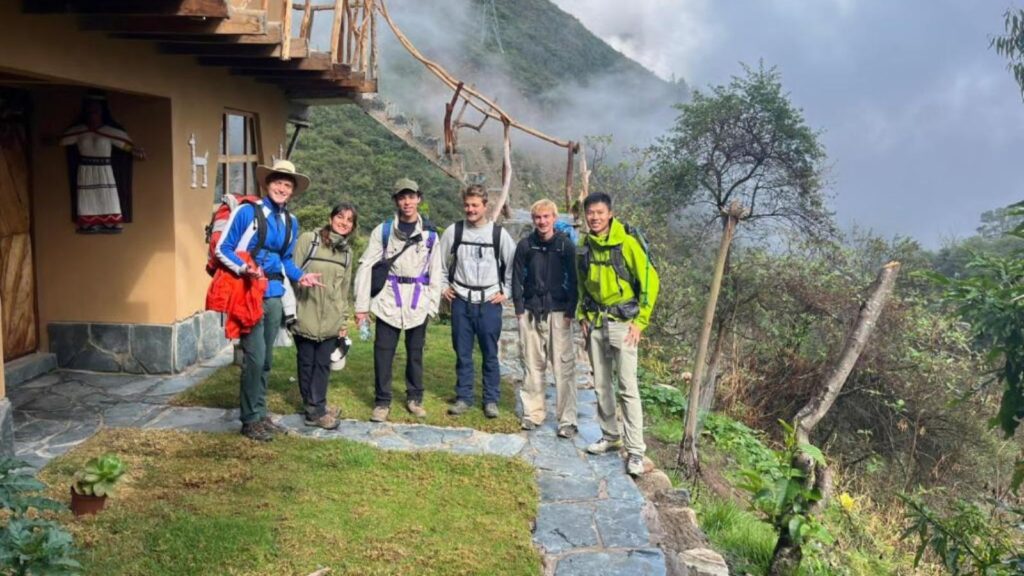
Cold on the Salkantay Trek
Cold on the Salkantay Trek is felt most strongly at high-altitude campsites, before dawn, and when crossing Salkantay Pass. Altitude, wind, humidity, and lack of movement can make the perceived temperature feel much colder than expected.
It is not enough to check the forecast temperature. A traveler with wet clothes, little wind protection, or an inadequate sleeping bag may feel far colder than another person in the same conditions.
Months With the Coldest Nights
June, July, and August usually bring particularly cold nights and early mornings. During these months, drier conditions and clear skies are common, which encourages a marked drop in nighttime temperatures.
The advantage of this period is usually a greater chance of clear views during the day. The drawback is that it requires more careful preparation for sleeping and hiking early in the morning in high-altitude areas.
Below-Zero Temperatures
Temperatures below zero may occur in high-altitude areas, especially during frost events in the dry season. These conditions are more likely at night and before sunrise.
Below-zero temperatures do not occur in the same way along the entire route. The risk is higher at high-altitude campsites and near the pass, while lower sections are generally much milder.
Wind Chill
The temperature shown in a forecast may feel lower when there is wind, humidity, or wet clothing. At Salkantay Pass, wind can quickly chill hands, face, and feet if they are not properly protected.
A windproof and waterproof jacket is an essential item, even on days that begin clear. It is also helpful to wear gloves that remain functional in wet conditions, as lightweight fabric gloves can get wet easily.
Cold When Stopping During the Hike
The feeling of cold increases during breaks, upon arriving at campsites, or when the body stops generating heat through movement. This often happens after a demanding climb, when base layers are damp from sweat.
It is advisable to put on an insulating layer as soon as you take a long break. Waiting until you feel cold to change clothes usually makes it harder to restore body temperature, especially at altitude and in windy conditions.
Rain on the Salkantay Trek
Rainfall affects temperature, visibility, and trail conditions during the Salkantay Trek. Light rain can make some sections slippery, while steady rain can increase humidity and make it harder to dry clothing and footwear.
Waterproof gear should not be considered optional, even in the driest season. Rain can appear locally and change conditions in one part of the route without necessarily affecting other areas.
Rainy Season From November to March
From November to March, rainfall, cloud cover, and humidity increase in the Machu Picchu region and in different sections of the route. Trails may stay wet for longer, and mountain views may be covered by clouds.
This season also offers greener landscapes and more noticeable water flow in the valleys. The drawback is that it requires greater flexibility with schedules and more thorough protection for personal gear.
Months With the Highest Chance of Rain
January and February usually have the rainiest conditions. However, the intensity, duration, and distribution of rainfall can vary every year and between different sections of the Salkantay Trek.
If you travel in these months, avoid relying on an overly tight itinerary. Bring footwear with good traction, protected spare clothing, and check the status of the trails and pass in advance.
Temperature Drop During Rain
Sudden rain can cause a rapid drop in temperature, especially in high and exposed areas. The problem becomes worse when clothing remains wet and wind passes through the outer layers.
A waterproof jacket should have a secure closure, adjustable hood, and enough room to cover thermal layers. It is also advisable to remove damp garments when reaching the campsite to avoid losing body heat.
Rain During the Dry Season
April to October is considered the drier period, but occasional rain can still occur. In high-altitude areas, hail or snow may also occur when precipitation coincides with low temperatures.
Trusting that it will not rain because you are traveling in the dry season is a common mistake. Keep your poncho or waterproof jacket handy, rather than packed with gear you will only use at the campsite.
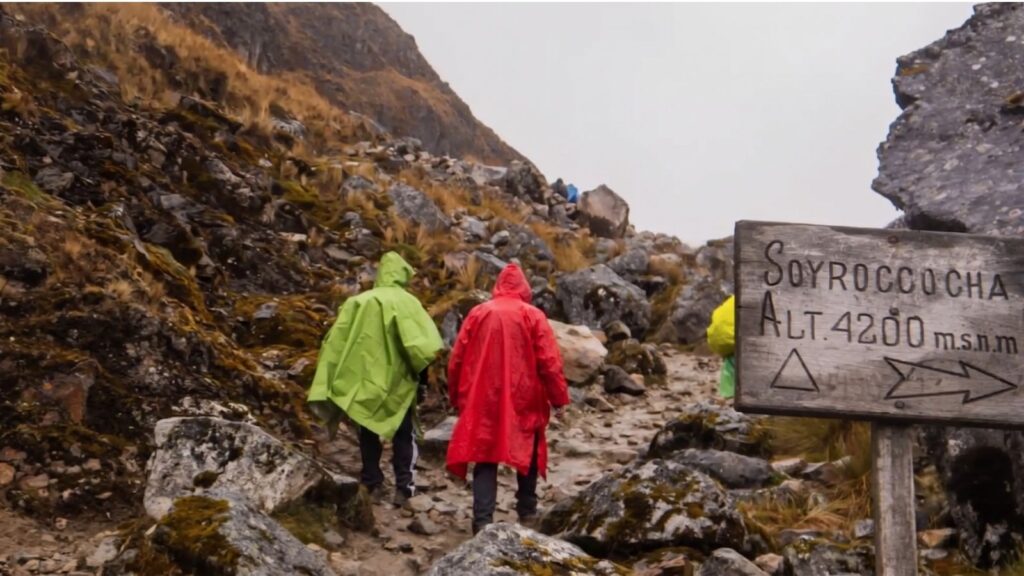
Sudden Weather Changes on the Salkantay Trek
The mountainous terrain and altitude differences can create weather variations within a few hours. Weather on the Salkantay Trek does not always follow the forecast precisely, especially in high areas where clouds can form quickly.
The best strategy is to begin each day with gear ready for various conditions. This allows you to respond to a short rain shower, a gust of wind, or a temperature change without wasting time reorganizing your backpack.
Morning Sun and Afternoon Rain
A day can begin with clear skies and sunshine, then later bring cloud cover, rain, or wind. This pattern is common on mountain routes, where daytime warming encourages cloud formation.
Morning sun should not lead you to leave your waterproof layer at the campsite. You also need sunscreen, UV-filter sunglasses, and a hat, because radiation can be strong before the weather changes.
Fog and Reduced Visibility
Low clouds can cover Salkantay Pass and temporarily reduce visibility of the trail and mountains. Fog can make navigation difficult, especially if the group separates or moves ahead without a local guide.
In these conditions, it is best to maintain a cautious pace, follow the established route, and avoid moving ahead unnecessarily. A visible outer garment can also help the group keep track of one another.
Rain, Hail, and Snow on the Same Day
Precipitation can change form depending on altitude and air temperature. Rain in a valley can turn into hail, sleet, or snow as you approach the highest sections of the route.
This change does not always mean the hike must stop, but it does require caution. The ground can become more slippery, and exposure to cold increases if hail or snow soaks your clothing.
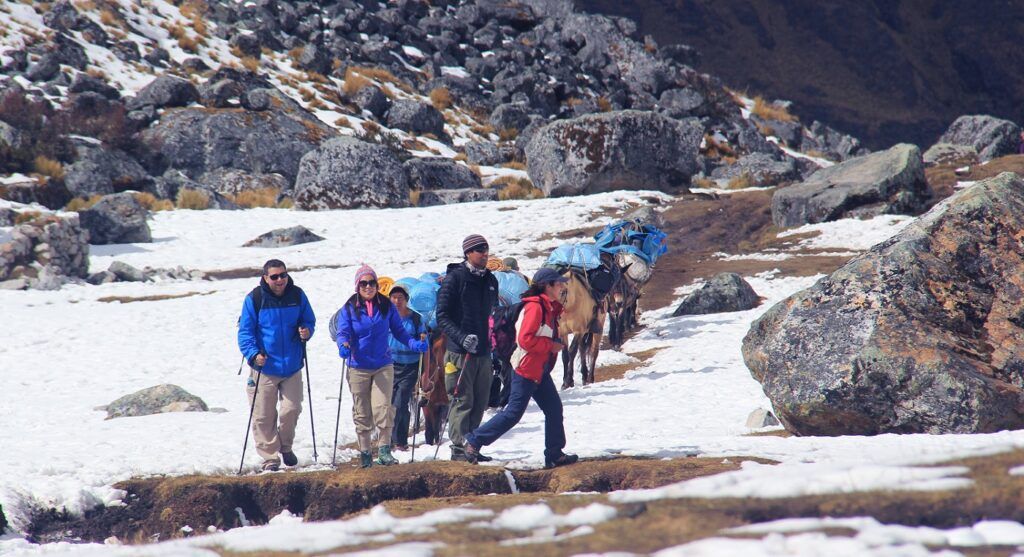
Changes Between the Mountains and Cloud Forest
Travelers move from a cold, exposed environment in high areas to a warmer, more humid, and rainier one during the descent. This transition is one of the reasons why a layering system works better than bringing a single heavy garment.
As they descend, some people dress too warmly and end up sweating, which can later cause chilling when they stop. Adjusting clothing gradually helps maintain a more stable body temperature.
Temperature During the Dry Season
Between April and October, temperatures on the Salkantay Trek usually bring days with less cloud cover and colder nights. It is the period chosen by many travelers because of the greater chance of less humid trails and better mountain visibility.
The main drawbacks are cold early mornings, frost in high areas, and wind. The dry season reduces the frequency of rain, but it does not completely eliminate the possibility of precipitation.
Clear and Sunny Days
Less cloud cover usually brings pleasant temperatures during sunny hours and better visibility of the mountains. Hiking under clear skies can be comfortable, although solar radiation remains intense due to the altitude.
Use broad-spectrum sunscreen, sunglasses, and a cap or hat. Cold air does not protect against sunburn, and many travelers underestimate this risk in high-altitude sections.
Dry and Very Cold Nights
The lack of cloud cover makes it easier for heat to escape during the night. That is why early mornings can be particularly cold in Soraypampa and other high-altitude campsites, even after a pleasant day.
Before booking, ask what type of sleeping bag is included or recommended for the itinerary. If it is not suitable for low temperatures, you will need to rent or bring one with better insulation.
Cold Between June and August
June, July, and August require more preparation for low temperatures, frost, and wind in high-altitude areas. Early departures are usually the coldest time of day, before the sun raises the temperature.
For these months, prioritize a thermal base layer, fleece or similar layer, insulated jacket, and windproof outer layer. Do not forget to protect your extremities, as hands and feet usually get cold first.

Temperature During the Rainy Season
Between November and March, conditions change due to increased rainfall, humidity, and cloud cover. Minimum temperatures are not always as extreme as on some dry winter nights, but humidity can make the cold feel persistent.
Traveling at this time requires special attention to waterproof gear and trail conditions. It is also wise to consider extra days in Cusco or in your overall itinerary in case conditions affect transportation.
Cloudy and Humid Days
Cloud cover can limit daytime warming and maintain a feeling of humidity throughout the day. Even when hiking at lower altitude, a cloudy and rainy day can feel cool.
Breathable garments help prevent sweat from building up beneath the waterproof layer. If a jacket does not allow moisture to escape, the inside can become wet and cause discomfort during breaks.
Less Dry but Humid Nights
Minimum temperatures may be less extreme than during some nights in the dry season. However, humidity and wet clothing can increase the feeling of cold and make it harder to rest.
Store sleeping clothes, your sleeping bag, and electronic devices in waterproof bags. Having a dry set of clothes for the night is a practical measure that greatly improves comfort at the campsite.
Greater Weather Variability
Rainfall, fog, and temperature changes can make it harder to plan schedules and activities. Some days may require leaving earlier or moving more carefully along wet sections.
Avoid scheduling tight connections after finishing the trek. Ask the operator about recent route conditions and available alternatives if conditions require changes to the itinerary.
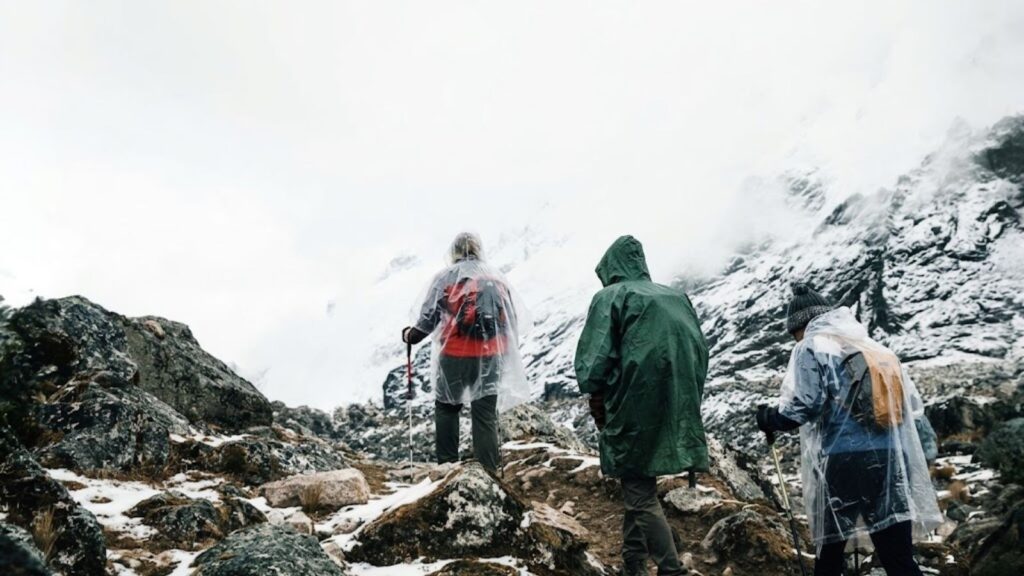
How to Dress for Temperature Changes
Clothing for the Salkantay Trek should allow you to adapt to the heat of the ascent, the wind at Salkantay Pass, rain, and the cold at campsites. Dressing in layers lets you regulate temperature without relying on a single garment.
You should also protect your gear from moisture. Dry clothing, especially clothes intended for sleeping, should be kept separate from the garments you will wear while hiking.
Layering System
The most practical system includes a breathable base layer, a thermal layer, an insulating garment, and a waterproof, windproof outer layer. Each serves a different function and allows you to adjust protection according to the time of day.
The base layer should wick away sweat and not retain moisture. Avoid using cotton as your main layer, as it takes longer to dry and can chill the body when wet.
Clothing for Cold Nights
For cold nights, bring a hat, gloves, thermal socks, and one dry garment reserved for sleeping. These items take up little space and can make a clear difference at high-altitude campsites.
It is also advisable to change your damp shirt before getting into the sleeping bag. Sleeping in wet clothes reduces your ability to retain heat and can affect recovery for the following day.
Waterproof Protection
Bring a waterproof jacket, pants, backpack cover, and inner bags to protect clothing and devices. The outer cover helps, but inner bags provide additional protection if it rains for several hours.
Check the condition of zippers, seams, and hood before starting the route. A worn-out waterproof garment can fail precisely in the areas where it is hardest to find a dry place to change.
Clothing for Warm Sections
Lightweight, breathable garments are also needed for lower-altitude and more humid sections. A spare technical shirt can be useful after descending from cold areas.
There is no need to carry too much heavy clothing for the entire route. The most efficient approach is to combine lightweight garments with adaptable layers, while always keeping reliable rain and wind protection.
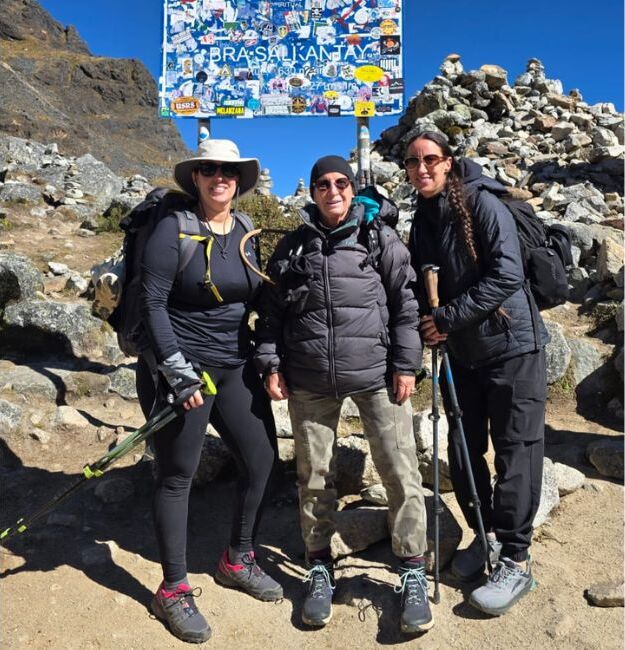
How to Check the Temperature Before the Trek
Climate averages are useful as a reference, but they do not replace checking forecast conditions for your travel dates. Weather can vary between the starting point, high-altitude campsites, Salkantay Pass, and cloud forest sections.
Check the forecast a few days before departure and review it again the day before. This will help you decide whether you need extra warm clothing, improved waterproofing, or changes to your daypack contents.
Check Forecasts for Different Locations
It is advisable to check conditions in high-altitude areas and towns near lower sections, because a single forecast does not represent the entire route. The difference between Soraypampa and the descent valleys can be significant.
Pay attention not only to maximum and minimum temperatures, but also to the chance of precipitation, wind speed, and storms. These factors directly affect perceived temperature and safety.
Check Cusco Weather Alerts
Check SENAMHI alerts related to rain, snowfall, wind, and nighttime temperature drops in Cusco. These alerts can provide useful information about events that may not always appear in a general weather forecast app.
If adverse conditions are forecast, do not assume the trek will automatically be canceled. Ask how they could affect the pass, campsites, and transportation at the start or end of the trek.
Confirm Conditions With the Operator
Ask the operator about the expected temperature at campsites, conditions at Salkantay Pass, and any recent changes to the itinerary. Those who work on the route usually have more up-to-date information about mud, snow, detours, or local rain.
If you need to arrange trek logistics or check conditions before booking, you can contact the Salkantay.tours team directly. Also confirm which equipment is included and what you need to bring or rent yourself.
Questions About Salkantay Trek Temperatures
These are the most common questions about cold, rain, and weather changes on this route. Exact conditions depend on the date, campsite altitude, and weather developments during each day.
What Is the Coldest Part of the Salkantay Trek?
Salkantay Pass and the highest-altitude campsites usually have the lowest temperatures. The pass is exposed to wind and rapid weather changes, while high campsites become very cold after sunset.
Can the Temperature Drop Below Zero?
Yes, this can occur in high-altitude areas, especially during nights and early mornings in the dry season. Frost is more likely between June and August, although weather patterns change every year.
Can It Snow During the Salkantay Trek?
Snow or sleet may occur near Salkantay Pass when low temperatures and precipitation coincide. It is not a permanent condition, but you should bring waterproof gear and enough warm clothing to handle this scenario.
Is It Hot During Any Part of the Route?
Yes. Cloud forest sections can be considerably warmer and more humid than mountain areas. During the descent, lightweight and breathable clothing is usually more comfortable, although rain may continue.
What Is the Coldest Month for the Salkantay Trek?
June and July are usually among the months with the coldest nights. August can also bring cold early mornings, frost, and wind at high altitude, although exact conditions depend on the year.
Does the Dry Season Guarantee Good Weather?
It does not guarantee completely clear days. Between April and October, occasional rain, hail, or snow can still occur in high-altitude areas, so you should always carry protection against cold, wind, and rain.